
The Basic Split: What's Yours and What's the Landlord's
In a US rental, maintenance responsibility is divided — but the line isn't always obvious. As a general rule, landlords are responsible for keeping the property habitable: functioning heat, plumbing, weatherproofing, structural integrity, and working smoke detectors at move-in. Tenants, on the other hand, are responsible for routine upkeep and minor day-to-day maintenance.
That means things like changing light bulbs, keeping the unit clean, unclogging drains, and replacing HVAC filters typically fall to you. Understanding this divide from the start is what separates renters who breeze through move-out from those who are shocked by deposit deductions. For a full look at the landlord side of the equation, see what landlords are generally required to maintain.
Tenant Responsibilities Vary by State and Lease
Landlord-tenant law differs significantly across US states, and individual lease agreements can expand or narrow your default obligations. The guidance here reflects general norms common in most US residential tenancies. Always read your specific lease and, if anything is unclear, check your state's tenant rights handbook or consult a local housing authority.
Your Lease Is the Source of Truth
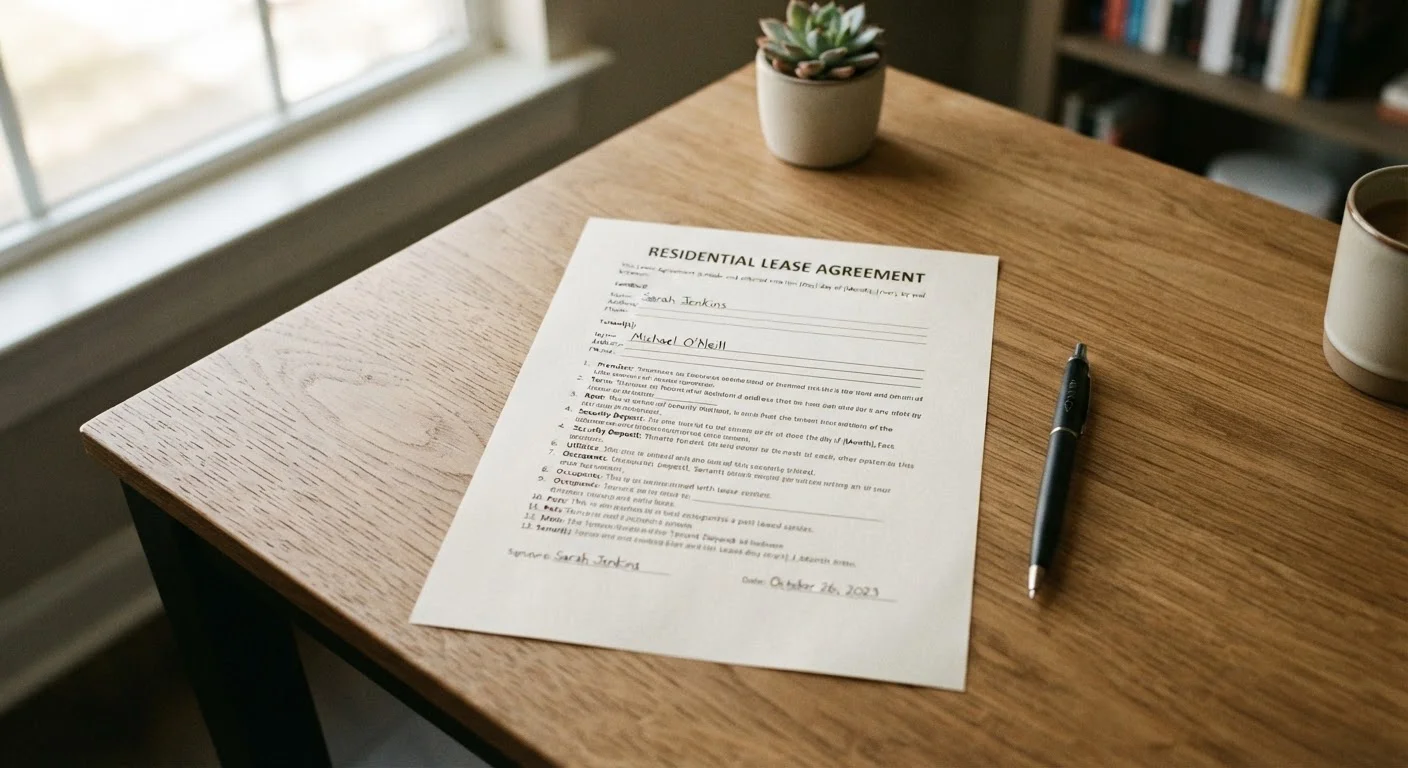
Before anything else, your lease defines your specific obligations. Generic advice is a starting point — your signed agreement is the actual rulebook. Most leases include a maintenance clause that lists tenant duties explicitly. Common entries include HVAC filter changes, lawn or patio upkeep in ground-floor units, pest control for infestations caused by tenant behavior, and reporting damage promptly.
Don't assume you know what's in there — rental myths catch many first-timers off guard, and 'I didn't realize I was responsible for that' rarely holds up in a deposit dispute. Read the clause, note your obligations, and build habits around them early.
Read your lease's maintenance clause before your first day in the unit.
Your lease is the legal document that defines your obligations. Skipping this section is one of the most common ways first-time renters get blindsided by charges at move-out. Knowing what's expected upfront means you can build simple habits rather than scramble to fix neglect later.
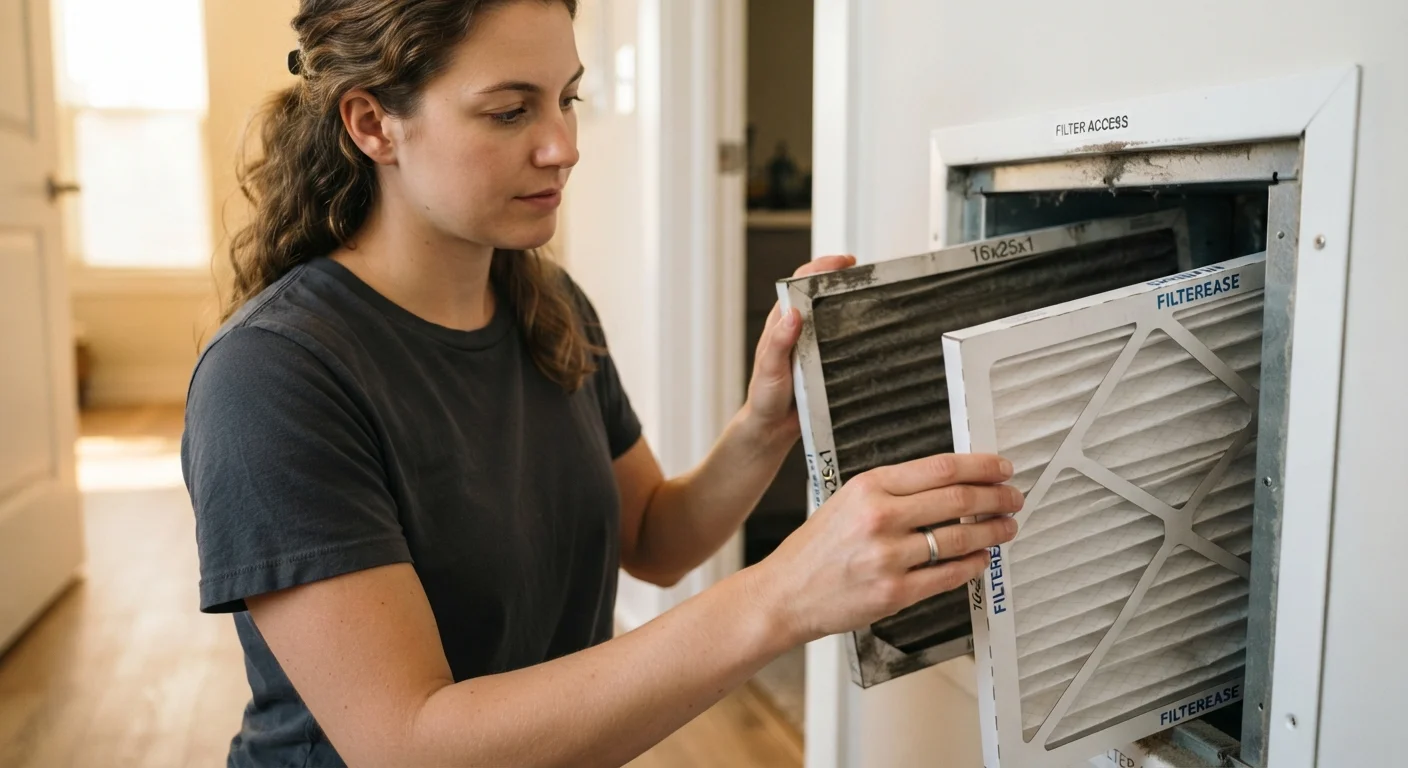
Change HVAC filters on the schedule specified in your lease or every 60–90 days.
A clogged filter forces the heating and cooling system to work harder, raises energy bills, and can cause the unit to fail — a repair that often runs into the hundreds or thousands of dollars. In most states, tenants are responsible for routine filter changes, and a landlord can deduct replacement costs from your deposit if filters are found neglected.
Test smoke and carbon monoxide detectors monthly and replace batteries promptly.
While landlords are generally required to install and initially supply working detectors, most states place ongoing battery maintenance on the tenant. A dead detector is both a safety hazard and a potential lease violation.
Report any damage or malfunction in writing as soon as you notice it.
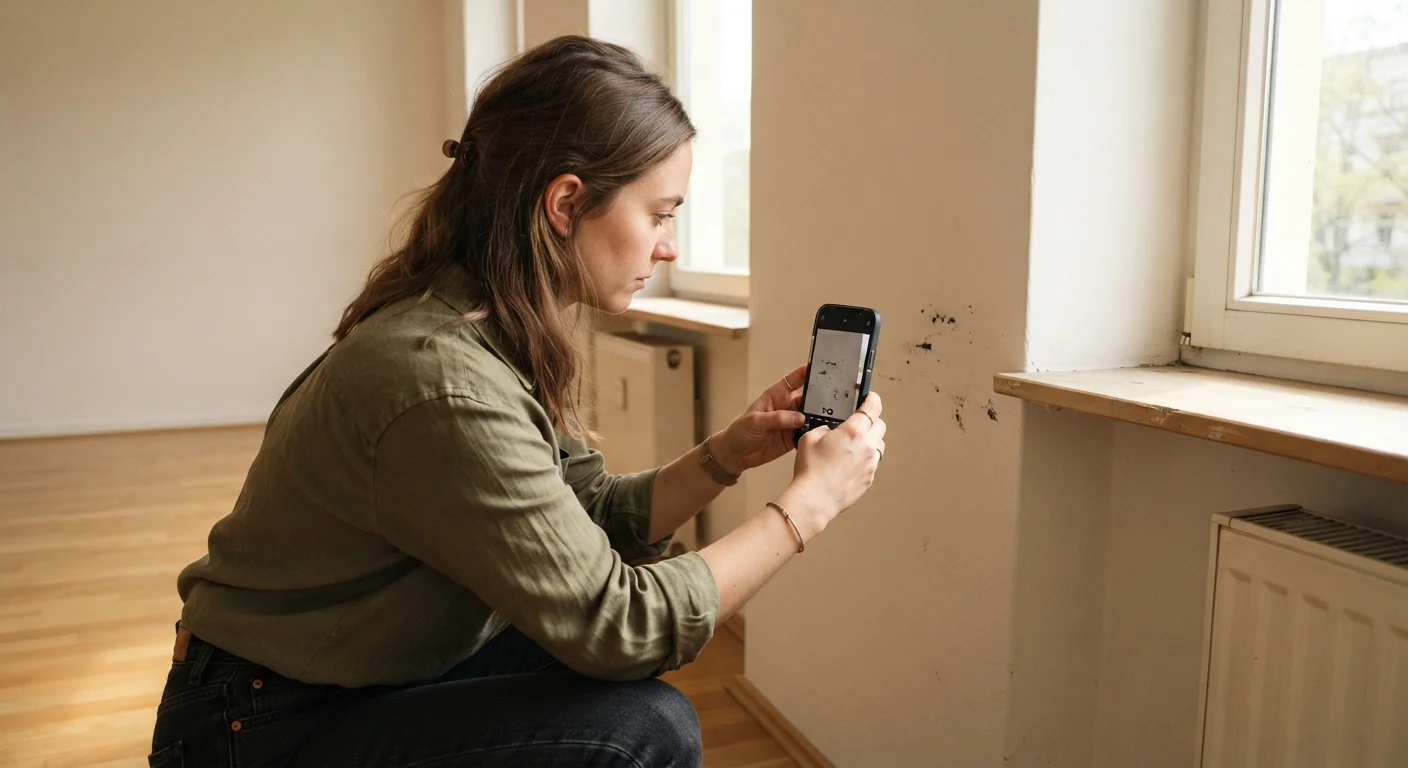
Unreported issues — a slow leak under the sink, a crack in the wall — can worsen over time and be attributed to tenant neglect when you move out. A written record proves you flagged the problem promptly and gives the landlord a reasonable opportunity to repair it. See how to build your paper trail for a simple documentation system.
Handle minor, surface-level maintenance yourself to avoid unnecessary deductions.
Light bulbs, unclogging a drain with a plunger, wiping mold from caulk in a well-ventilated bathroom — these are typically tenant responsibilities in most leases. Leaving them for the landlord to discover signals neglect and can add up to significant deductions against your deposit.
Avoid unauthorized repairs or alterations, even well-intentioned ones.
Patching a wall incorrectly, replacing a fixture without approval, or adjusting electrical outlets without a licensed electrician can void your lease and expose you to liability. If something is beyond routine upkeep, your job is to report it — not fix it.
Recurring Tasks That Protect You Year-Round
Several maintenance tasks need to happen on a regular schedule regardless of whether anything looks broken. These are the ones renters most commonly neglect — and the ones most likely to show up as deductions or disputes later.
Check out our guide to monthly tasks new residents forget for a full recurring checklist. In the meantime, the quick wins below give you somewhere to start today.
Reporting Problems: Why Written Communication Matters
One of the most protective habits any renter can develop is putting maintenance requests in writing — always. If you call your landlord about a broken window and they never fix it, you have no proof the conversation happened. An email or text creates a timestamp and a record.
When You're Unsure Who Owns a Repair
A simple rule of thumb: if it's cosmetic or routine (light bulbs, drain clogs, surface cleaning), it's almost always the tenant's job. If it involves a built-in system — plumbing pipes, the furnace, the roof, structural elements — it's almost always the landlord's. When something falls in a grey area, check your lease first, then consult your state's tenant rights guide. See what landlords are generally required to maintain for a clearer breakdown.
If your landlord ignores legitimate repair requests, you have options beyond simply waiting. See what to do when your landlord isn't fixing things for the general steps tenants can take. And for the broader picture of which documents to save throughout your tenancy, our paper trail guide walks you through an easy filing system.
Taking care of your rental isn't just about avoiding fines — it's about living comfortably and leaving on your own terms. Renters who stay on top of small tasks rarely face big surprises. Those who don't often lose money and references they could have kept. For more on protecting your deposit, see why renters lose their deposit.
~50%
Deposit deductions linked to cleanliness or maintenance neglect
Industry surveys by property management associations consistently find maintenance-related issues among the top reasons tenants don't receive their full security deposit back.
90 days
Typical HVAC filter replacement interval
The US Department of Energy and most HVAC manufacturers generally recommend replacing standard 1-inch filters every 60–90 days in occupied homes.
This article provides general information about tenant maintenance responsibilities in the US and is not a substitute for legal advice. Landlord-tenant laws vary by state and locality. Consult your lease, a local tenant rights organization, or a qualified attorney for guidance specific to your situation.