

Why Rental Myths Stick — and Why They Cost You
Most first-time renters piece together their understanding of renting from friends, social media, and assumptions borrowed from living at home. That's a shaky foundation. Rental law is state-specific, lease language is dense, and landlords — even well-meaning ones — don't always explain what your rights actually are.
The result is a handful of stubborn myths that cost tenants money, deposit refunds, and peace of mind. The myth-and-fact pairs below cover the most common ones, drawn from the questions first-timers ask most often.
Myth
A verbal agreement with my landlord is just as good as a written lease.
Fact
Verbal rental agreements are extremely difficult to enforce and offer you almost no legal protection.
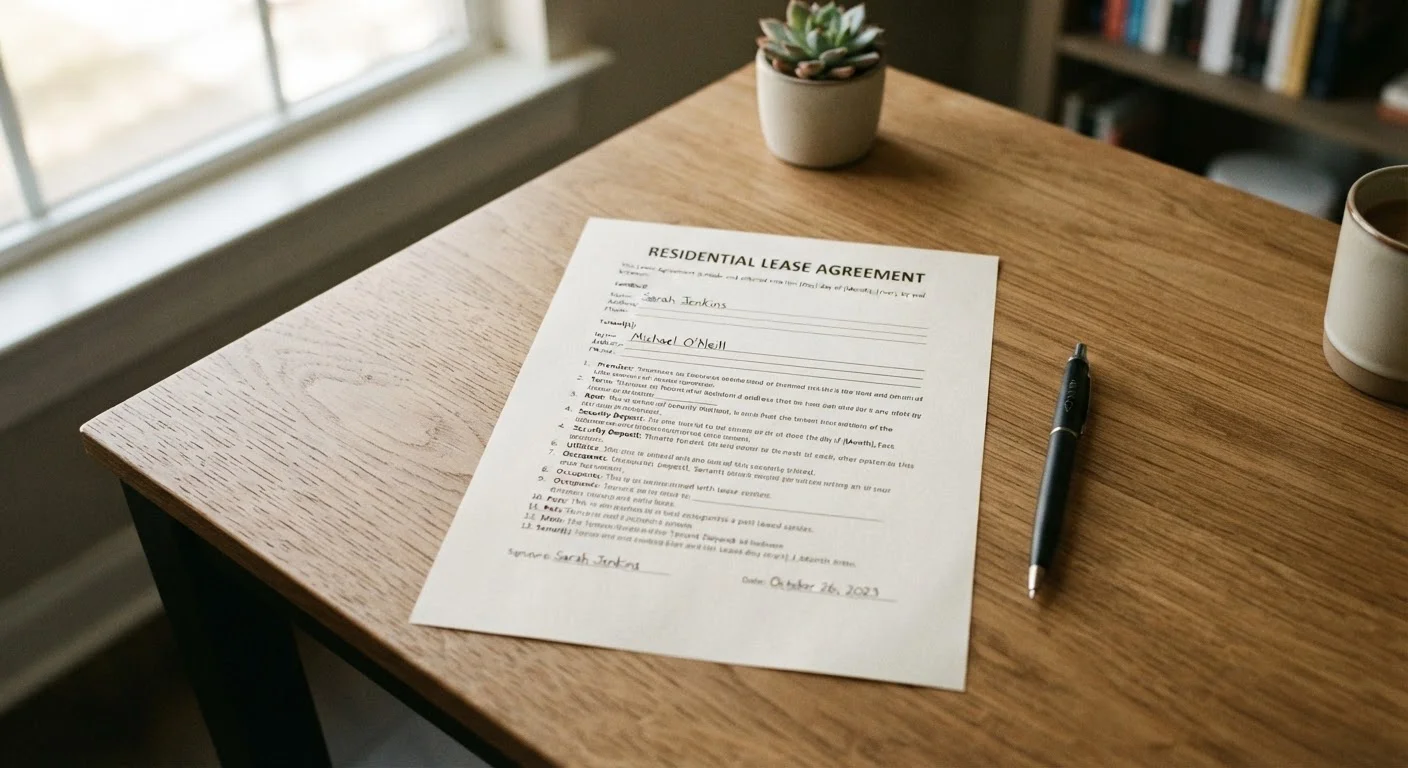
It's easy to feel like a handshake deal or a promise made during a showing is solid — especially if the landlord seems trustworthy. But in most US states, leases for periods longer than one year must be in writing to be enforceable under the Statute of Frauds. Even for shorter tenancies, verbal agreements leave you with no documentation if a dispute arises over rent, repairs, or move-out terms.
The fix is straightforward: insist on a written lease before you hand over any money. If a landlord resists, treat that as a red flag. See the full rental process walkthrough for what a legitimate tenancy setup typically looks like.
Myth
My landlord can enter my apartment whenever they want — it's their property.
Fact
In most US states, landlords must give advance written notice — commonly 24 hours — before entering a tenant's unit, except in genuine emergencies.
Ownership of the building doesn't grant unlimited access to your living space. Tenant privacy rights are codified in landlord-tenant law in nearly every state. Routine entries for repairs, inspections, or showings to prospective tenants almost always require prior notice. An emergency — like a burst pipe flooding the unit below — is the main exception.
If your landlord repeatedly enters without notice, document each instance and review your state's tenant rights statutes. Many state attorneys general offices publish plain-language guides explaining your protections.
Myth
The landlord can keep my security deposit for any reason if I don't leave the place perfect.
Fact
Landlords can only legally deduct from a security deposit for specific reasons — unpaid rent, actual damage beyond normal wear and tear, or lease-specified cleaning costs.
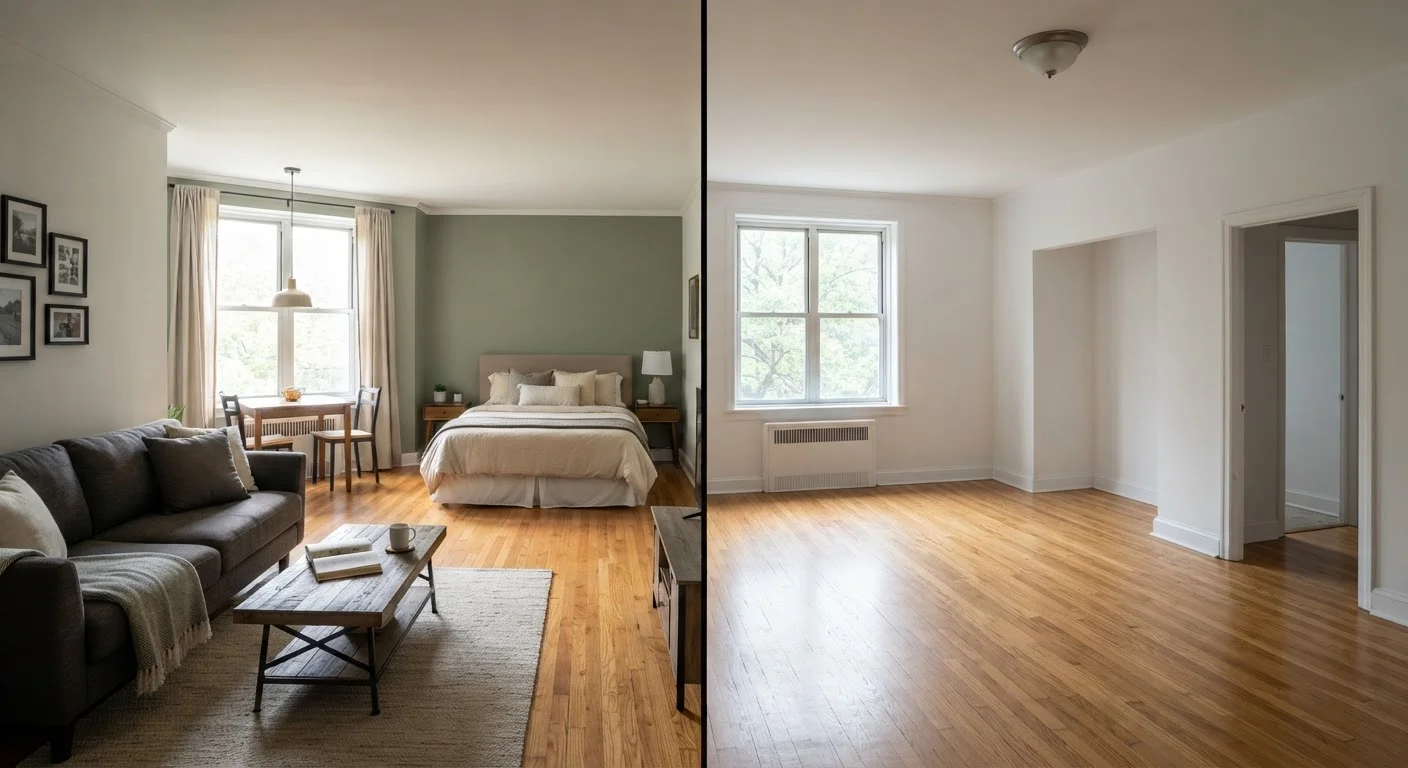
"Normal wear and tear" — things like small nail holes, minor carpet fading, or scuffs on walls from furniture — cannot legally be charged to a tenant in any US state. Landlords who withhold deposits for routine aging of the unit are violating tenant protection laws. Most states also require landlords to return the deposit (minus any valid deductions with an itemized list) within a set deadline, often 14 to 30 days after move-out.
Protect yourself by doing a thorough move-in inspection and photographing every room before you unpack. For a detailed breakdown of what's legally deductible, see our guide to security deposit rules. You can also find the most common reasons deposits aren't returned in full in our article on why renters lose their deposit.
Myth
My landlord's insurance covers my belongings if there's a fire or burglary.
Fact
A landlord's insurance policy covers the building structure, not a tenant's personal property.
This is one of the costliest assumptions first-time renters make. If a fire destroys your furniture, electronics, and clothing, or a break-in results in stolen items, you have no claim on the property owner's policy. That policy is written for the building itself.
Renter's insurance — a separate, relatively low-cost policy you purchase yourself — is what protects your belongings. It typically also provides liability coverage if someone is injured in your unit. Learn more about what it generally covers in our renter's insurance explainer.
Myth
Month-to-month leases are always cheaper and more flexible — there's no downside.
Fact
Month-to-month arrangements offer flexibility, but landlords typically charge higher monthly rent and can end the tenancy with relatively short notice.
A month-to-month tenancy means neither party is locked in for a fixed term. That flexibility is real and valuable — but it cuts both ways. Landlords can raise your rent or ask you to vacate with as little as 30 days' notice in many states (the exact requirement varies). Fixed-term leases, by contrast, lock in your rent and give you guaranteed occupancy for the duration.
If stability matters more than exit flexibility, a standard 12-month lease is usually the more predictable choice. If you're uncertain about your plans, weigh those trade-offs carefully before deciding. Our article on questions to ask before signing includes how to clarify renewal and notice terms upfront.
Myth
All repairs are the landlord's responsibility — tenants don't have to do any maintenance.
Fact
Tenants are typically responsible for minor upkeep, and failing to handle small tasks can create liability for larger damage.
Landlords are legally required to maintain rental units in a habitable condition — functional plumbing, working heat, no pest infestations. But day-to-day minor maintenance often falls on tenants: replacing lightbulbs, keeping drains clear, reporting issues promptly, and preventing damage through neglect. If a tenant ignores a small leak they were aware of and it causes water damage, they may be held partially responsible.
Understanding this divide early prevents disputes and protects your deposit. Our guide to renter maintenance responsibilities lays out the typical split clearly.
How to Protect Yourself Before and After You Sign
Knowing what's false is only half the job. The other half is building habits that protect you regardless of what your landlord says or does.
Don't Rely on a Landlord's Verbal Promises
If a landlord says they'll fix the broken heater before you move in or allow your dog despite a no-pets clause, that promise means very little unless it's written into the lease or a signed addendum. Courts generally enforce what's on paper, not what was said during a walkthrough. Always request written confirmation of any agreement made outside the lease document.
- Document everything at move-in. Walk through every room with your phone camera before you unpack. Note existing damage on the move-in inspection form and keep a copy.
- Keep a paper trail. Send maintenance requests by email or text so you have timestamped records. If you discuss something by phone, follow up with a written summary.
- Know your state's rules. Tenant rights vary significantly. Your state attorney general's website is a reliable starting point for understanding notice requirements, deposit timelines, and habitability standards.
- Read the full lease. Every clause. Ask about anything you don't understand before signing — not after. Our guide on what to ask a landlord before signing gives you a targeted list.
- Get renter's insurance. It's general financial information, not a guarantee of coverage — but it's worth understanding what a policy typically covers before you need it.
~44M
Renter households in the US
According to the US Census Bureau's American Community Survey, roughly 44 million households in the US are renter-occupied, making tenant literacy a widespread practical need.
30–60 days
Typical deposit return window by state
State laws governing how long landlords have to return a security deposit range from about 14 to 60 days, depending on jurisdiction — making it important to know your state's specific rule.
If you're sharing a rental, the legal picture gets more complex. How leases and liability work with roommates is worth reading before you sign a joint lease.
This article provides general information about renting in the US and is not legal advice. Tenant-landlord laws vary by state and locality. Consult a qualified attorney or your local tenant rights organization for guidance specific to your situation.