

Why Your Questions Matter as Much as the Apartment Itself
Touring a rental can feel like an audition — you're trying to impress the landlord while they decide whether to offer you the lease. But the relationship runs both ways. You're evaluating them just as much as they're evaluating you.
A great-looking apartment in the wrong hands can turn into a stressful year of ignored maintenance requests, surprise fees, and lease terms that trap you. The questions below are designed to give you a real picture of the rental — not just the one staged for a showing. Bring them to every viewing, and pay attention not just to the answers, but to how the landlord responds. Hesitation, vagueness, or irritation at being asked are signals worth noting.
For context on what you'll be responsible for once you move in, see our guide on what renters are responsible for.
What exactly is included in the rent?
"Rent" can mean different things to different landlords. Some include water, trash, and heat. Others charge separately for parking, a storage unit, or even laundry access. Before you compare this unit to others, you need to know the true monthly cost.
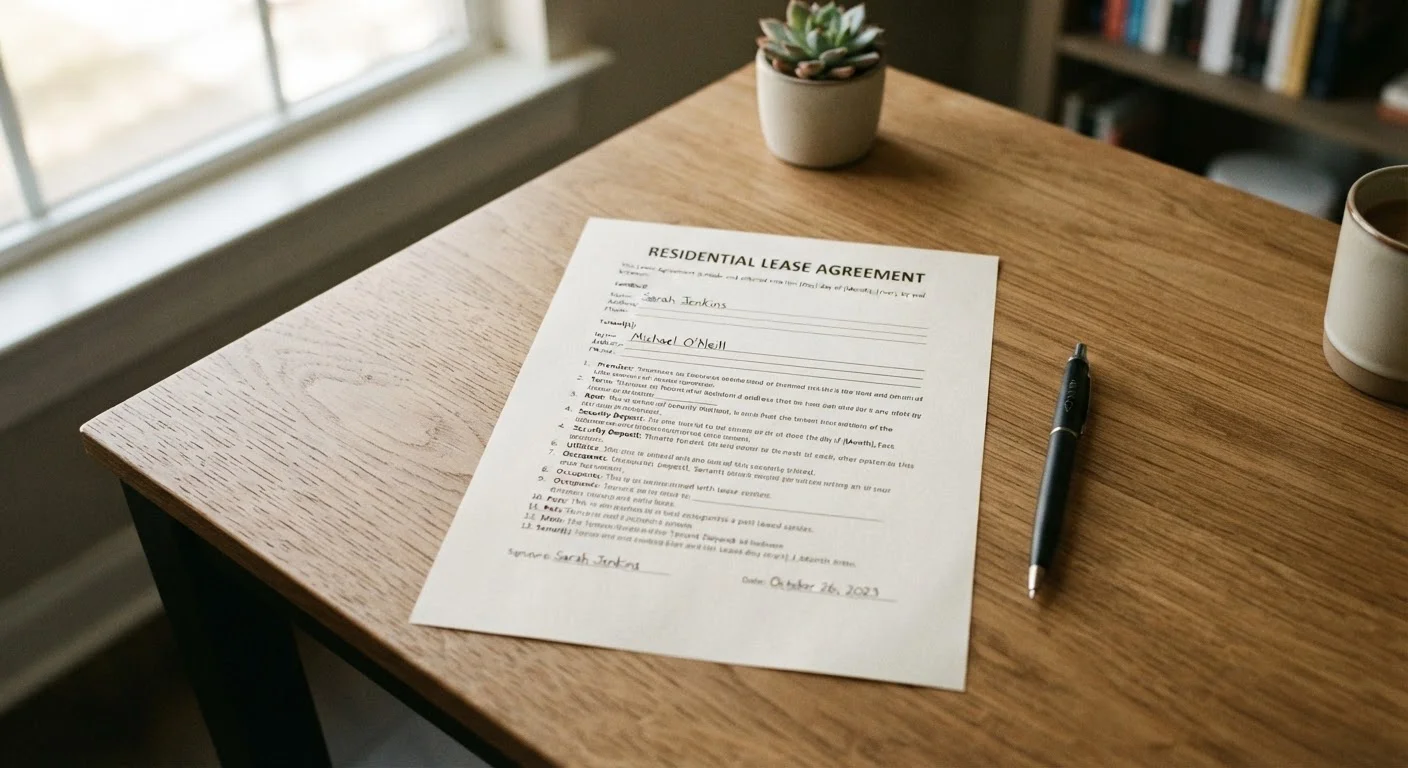
Ask specifically: Are utilities included? Is there a parking spot, and does it cost extra? Is there any charge for amenities like a gym or rooftop? Then get the answer in writing — verbal assurances have no legal weight when you're staring at an unexpected line item on your bill.
The advertised rent and your actual monthly outlay can be very different numbers.
What is the security deposit, and what are the conditions for getting it back?
Security deposits are a significant upfront cost — often one to two months' rent — and getting that money back at move-out depends on understanding the rules from day one. Ask how much the deposit is, what it covers, and what deductions the landlord considers legitimate.
State law governs how landlords must handle deposits: most states require itemized deductions and a return deadline (commonly 14–30 days after move-out). A landlord who can't clearly explain the process is a red flag. Our article on security deposit rules covers legal protections in detail.
Understanding deposit rules before you move in is how you protect your money when you move out.
How are maintenance and repairs handled?
This is one of the most important questions you can ask, and the answer will tell you a lot. Find out: Who do I contact when something breaks? What's the expected response time? Do you use in-house maintenance or outside contractors?
Legally, landlords in all US states are required to maintain habitable conditions — functioning heat, plumbing, and a weatherproof structure. But "habitable" is a floor, not a ceiling. Ask whether there's a written maintenance request process, and whether emergency repairs (like no heat in winter) have a defined response window.
A landlord's maintenance process tells you more about the tenancy than almost anything else.
Are pets allowed, and what are the specific rules?
Even if the listing says "pets allowed," the details vary enormously. Some landlords permit cats but not dogs over a certain weight. Others charge a non-refundable pet fee or an additional monthly pet rent on top of a refundable pet deposit. Ask for specifics: What species and sizes are permitted? Is there a pet deposit or fee? Does the lease restrict the number of animals?
These details belong in the lease itself — not in a verbal conversation. For a deeper look at the legal and practical side of renting with animals, see our guide on renting with a pet.
"Pets allowed" on a listing rarely tells the whole story — always ask for written terms.
What is the policy on lease renewal, rent increases, and early termination?
You're signing a lease for a specific term, but you're also implicitly agreeing to the conditions that will govern what happens at the end of it. Ask: How much notice do you give before raising the rent? Is there a cap on annual increases? What happens if I need to leave before the lease ends?
Some states have rent stabilization rules that limit how much rent can increase between terms; others do not. Early termination clauses can range from "two months' rent penalty" to "you're responsible for rent until a new tenant is found." Knowing this upfront lets you assess the real risk of the commitment.
The end of a lease term can be just as consequential as the beginning — know the terms now.
Has the unit had any issues with pests, mold, or water damage?
Landlords aren't always required to proactively disclose past problems, so you need to ask directly. Mold, in particular, can be a serious health concern and a costly dispute — and it's not always visible during a showing. Ask about the history of the unit and the building: Have there been pest complaints in the building? Has there been any water damage or mold remediation?
A landlord who answers evasively or claims total ignorance of a multi-unit building's history may not be the most reliable partner when issues arise later. Trust your instincts here.
Asking about past problems is far easier than dealing with undisclosed ones after move-in.
Is the unit furnished or unfurnished, and exactly what stays?
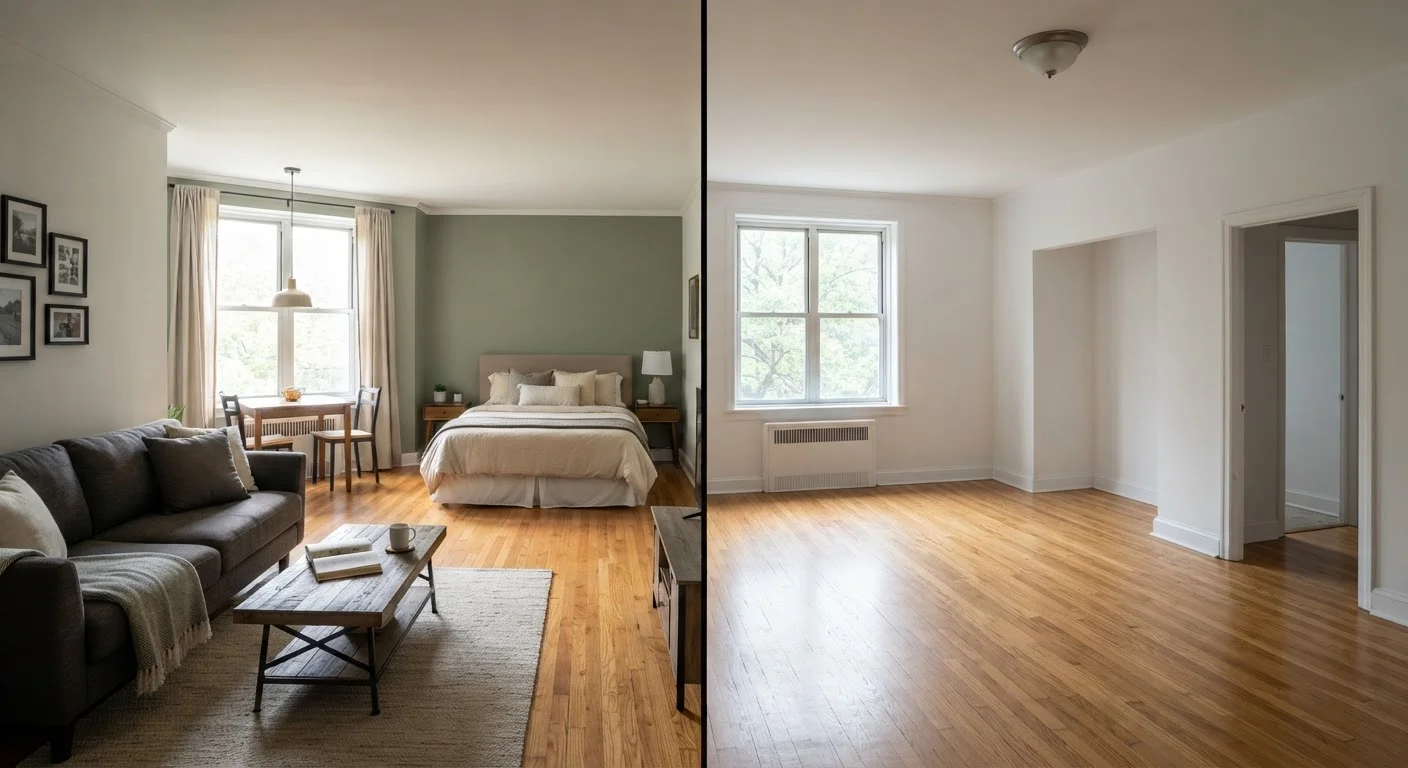
If a unit is shown with furniture or appliances, confirm in writing what's included in the lease and what belongs to the current tenant. The line between "landlord's property" and "outgoing tenant's property" isn't always obvious. A washer/dryer might be the current resident's, not a permanent fixture.
Also clarify: Are all appliances functional? How old is the HVAC system? Is window AC included? The distinction between furnished and unfurnished rentals also affects your startup costs significantly — for a breakdown, see our piece on furnished vs. unfurnished rentals.
Clarifying what stays and what goes prevents expensive assumptions on move-in day.
Go In Prepared, Come Out Confident
No single question on this list will guarantee a perfect tenancy — but together they build a clear picture of what you're committing to. If a landlord answers openly and consistently, that's a good sign. If they dodge, contradict themselves, or pressure you to decide on the spot, slow down.
Document Everything Before You Move In
Walk through the unit with your phone and photograph every scuff, stain, and crack before you bring in a single box. Share those photos with your landlord via email the day you get the keys — this creates a timestamped record that protects your deposit when you move out. A written move-in checklist signed by both parties is even better, and some states require landlords to provide one.
Once you're ready to think about life beyond renting, our beginner's guide to buying your first home walks through mortgages, offers, and closing day from scratch.
This article is for general informational purposes only and does not constitute legal or financial advice. Landlord-tenant laws vary significantly by state and locality. Consult a qualified professional or your local tenant rights organization for guidance specific to your situation.