
What Each Term Actually Means
The labels "furnished" and "unfurnished" sound self-explanatory, but their actual definitions vary more than most first-time renters expect. Understanding what's typically included — and what isn't — prevents expensive surprises after you've already signed.
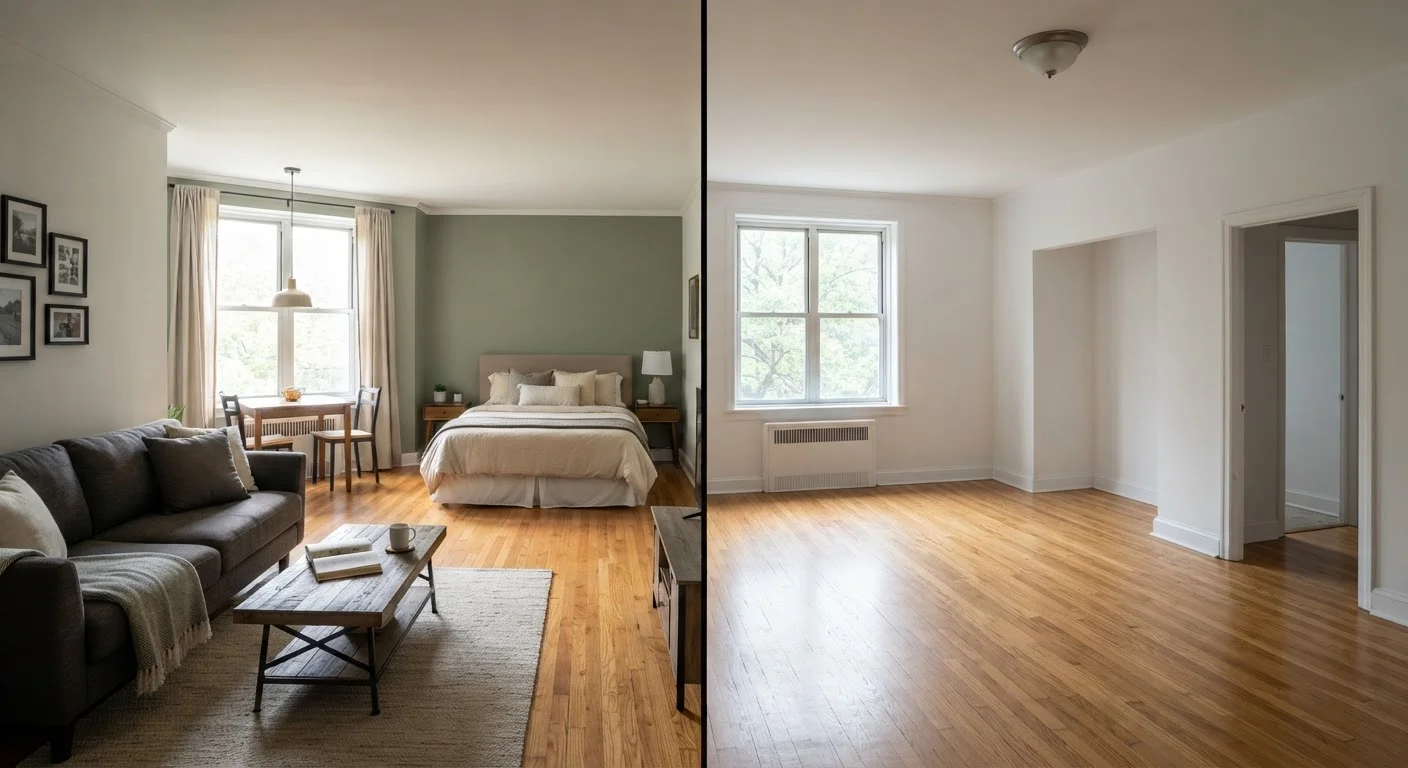
Furnished rentals generally come with major furniture pieces: a bed frame and mattress, sofa, dining table and chairs, and sometimes a desk. Many also include basics like window coverings and sometimes small appliances. However, "furnished" is not a legally standardized term in the US, so the exact inventory depends entirely on what your lease specifies.
Unfurnished rentals typically include only fixed appliances that are built into the unit — a stove, refrigerator, and sometimes a dishwasher or washer/dryer hookups. Everything else (furniture, lighting, window treatments) is the tenant's responsibility.
A middle category, sometimes called semi-furnished, exists too. These units might include major appliances and window coverings but skip bedroom or living room furniture. Always ask the landlord to provide a written inventory of exactly what stays in the unit before you sign anything. Our guide on questions to ask a landlord before signing can help you approach that conversation systematically.
Cost Differences Beyond the Monthly Rent
The rent premium on a furnished unit is just one line item. The full cost picture looks quite different once you factor in deposits, moving expenses, and long-term value.
15–30%
Typical furnished rental premium
Furnished apartments generally command a meaningful monthly premium over unfurnished units in the same building or neighborhood, though this varies widely by market.
1–3 months
Security deposit range for furnished units
Landlords of furnished units often require larger security deposits to protect against potential damage to included furniture and fixtures.
Security deposits on furnished units are often larger — sometimes one to three months' rent — because the landlord needs to protect against damage to included furniture and décor. That's more cash tied up before you even move in.
Moving costs swing dramatically between the two options. Going unfurnished when you already own furniture means paying for a moving truck or professional movers. Going furnished means potentially paying for storage if you already have furniture you can't use in the new unit.
Long-term math generally favors unfurnished rentals if you stay for more than six to twelve months. The monthly premium on a furnished unit accumulates quickly, and buying your own furniture — even modestly priced pieces — often costs less in total over a 12-month period. That said, this calculation shifts depending on the local rental market and how long you plan to stay.
Run the Numbers Before You Decide
Before choosing furnished for convenience, add up the monthly premium over your expected lease term and compare it to the cost of buying basic furniture secondhand or new. In many cases, furnishing a one-bedroom apartment yourself costs less than six months of the furnished premium. Factor in moving costs on both sides to get an honest comparison.
How the Lease Terms Differ
Furnished and unfurnished rentals tend to attract different lease structures, and that affects your flexibility as a renter.
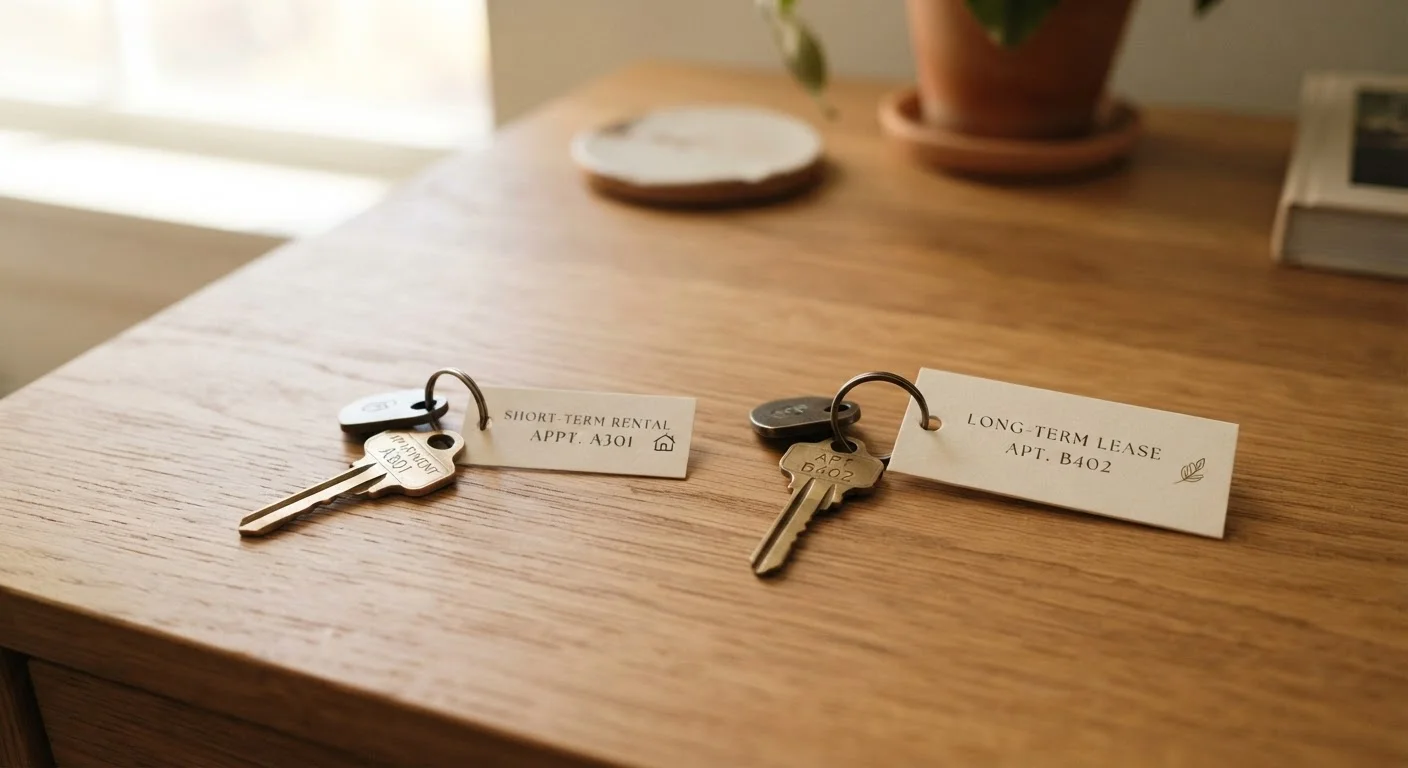
Furnished units are common in short-term rental markets — cities with large student populations, tech hubs where employees relocate temporarily, or tourist areas. As a result, furnished leases are more likely to be month-to-month or cover three to six months. This suits renters who aren't sure how long they'll stay, but it can also mean less security: landlords can more easily adjust terms or reprice at renewal.
Unfurnished apartments are more commonly offered on 12-month fixed-term leases. That structure offers predictability on both sides. If you're weighing what lease length makes sense for your life, our comparison of month-to-month vs. fixed-term leases breaks down the trade-offs in detail.
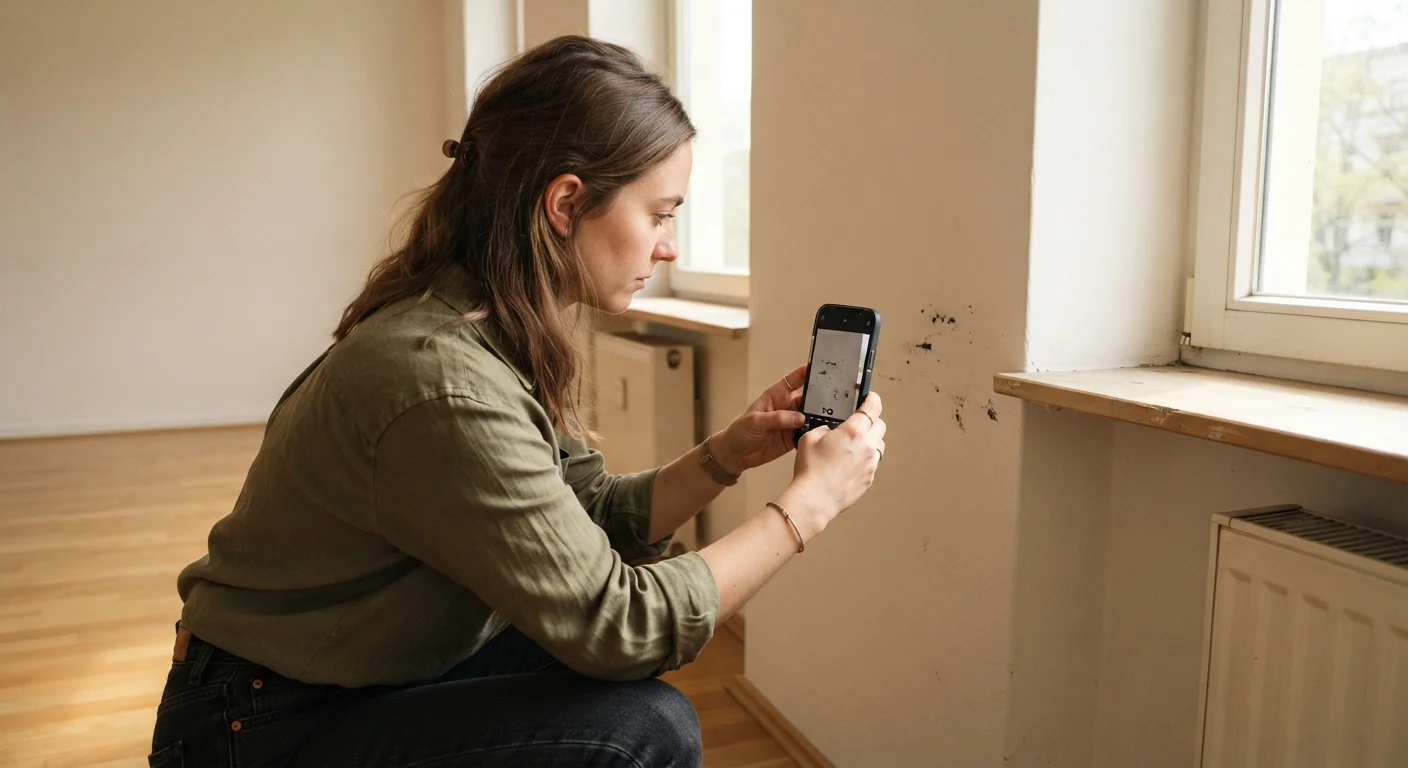
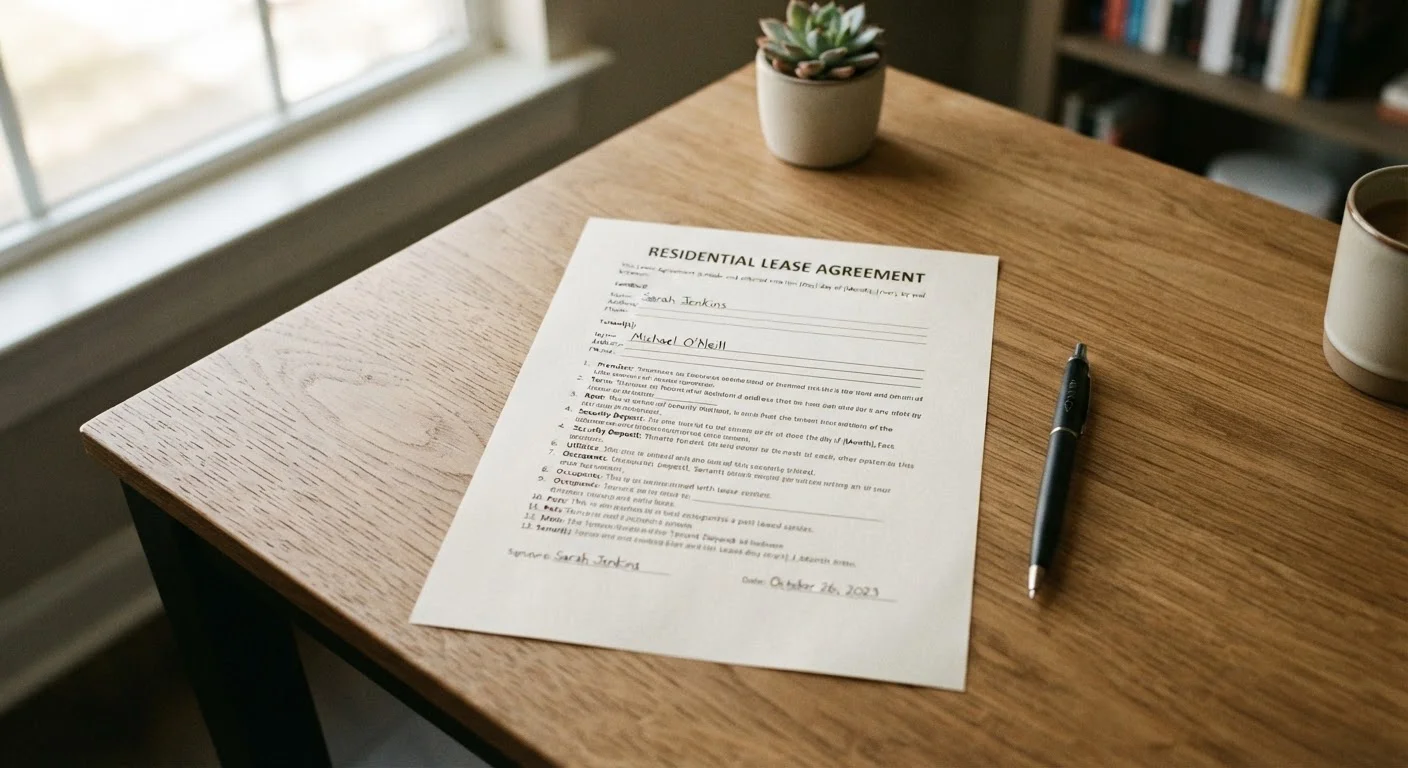
One lease clause to look for with furnished rentals: a furniture inventory addendum. This is a document (sometimes called an inventory checklist) listing every included item and its condition at move-in. Without it, you could be held responsible for damage that existed before you arrived. Always document the condition of all included items with dated photos on day one. This connects to broader move-in best practices covered in our walkthrough of the full first-apartment rental process.
Always Get a Written Furniture Inventory
Never move into a furnished unit without a signed inventory list documenting every included item and its condition. Without it, you could be charged at move-out for pre-existing damage you didn't cause. Take timestamped photos of every item on day one and email them to your landlord as a paper trail. This is one of the most common pitfalls first-time renters encounter — more on avoidable errors in our guide to rental myths that catch first-timers off guard.
Lifestyle Fit: Matching the Rental Type to Your Situation
Cost and lease terms matter, but the practical fit with your life often makes the decision clearest.
| Furnished | Unfurnished | |
|---|---|---|
| Typical monthly cost | 15–30% higher than comparable units | Lower baseline rent |
| Security deposit | Often higher to cover furniture | Typically one month's rent |
| Lease length | Often short-term or month-to-month | Typically 12-month fixed term |
| Move-in speed | Fast — no furniture sourcing needed | Slower — requires furnishing the unit |
| Personalization | Limited by existing furniture | Full control over layout and style |
| Best for | Short stays, first moves, relocations | Long-term renters with owned furniture |
Choose furnished if: you're moving to a new city for a job that might not last, you're a student staying for one academic year, or you simply don't own any furniture yet and don't want to furnish from scratch on a tight timeline.
Choose unfurnished if: you already own furniture you like, you're planning to stay put for at least a year, or you want the freedom to set up your space without working around someone else's style or layout.
One often-overlooked factor: maintenance responsibility. In a furnished unit, any problem with included furniture — a broken bed frame, a sofa that's falling apart — typically needs to go through the landlord. Response times vary, and until the issue is resolved, it's your daily life that's affected. In an unfurnished unit, your furniture is your own to replace or repair on your own terms. For a broader look at what maintenance responsibilities typically fall to tenants versus landlords, explore our home maintenance guide.
This article is for general informational purposes only and does not constitute legal or financial advice. Rental laws, typical market practices, and lease terms vary significantly by state and city. Always read your lease carefully and consider consulting a local tenant's rights organization or legal professional if you have specific concerns.