

Before You Start Browsing
The biggest mistake first-time renters make is falling in love with an apartment before doing the math. Before you open a single listing, nail down two numbers: your maximum monthly rent and your available upfront cash.
A commonly used guideline — not a rule — is to keep rent at or below 30% of your gross (pre-tax) monthly income. If your take-home is tighter, aim lower. Remember that rent is just one piece: you'll also pay utilities, renter's insurance, and possibly parking or pet fees.
Upfront costs catch many first-timers off guard. Expect to pay the first month's rent, a security deposit (often equal to one month's rent, though it varies by state), and sometimes last month's rent — all before you get a key. Total that out and make sure the savings are genuinely there.
Security deposit
A sum of money paid upfront to the landlord, held as protection against unpaid rent or damage beyond normal wear and tear. It is returned — minus any valid deductions — after you move out.
Co-signer
A person (often a parent or trusted adult) who signs the lease alongside you and agrees to be legally responsible for the rent if you can't pay it. Landlords use co-signers to reduce financial risk.
Lease
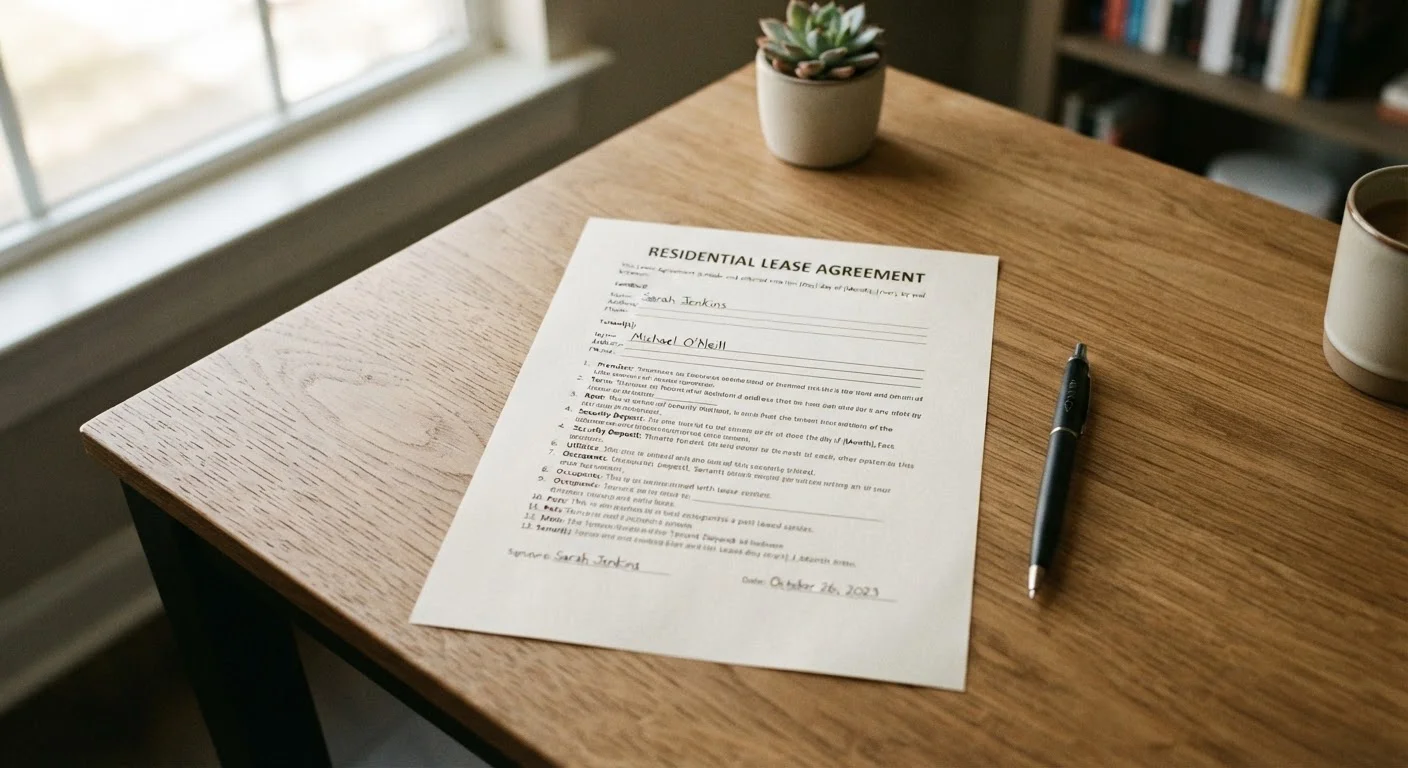
A written, legally binding contract between a tenant and landlord that specifies the rent amount, lease term, rules, and responsibilities of both parties.
Gross income
Your total earnings before taxes or deductions are taken out. Landlords often use this number — not your take-home pay — when evaluating whether you can afford the rent.
Background check
A review of your rental history, criminal record, and sometimes eviction history, used by landlords to evaluate prospective tenants.
Renter's insurance
A type of insurance policy that protects a tenant's personal belongings from loss due to theft, fire, or other covered events. It also typically includes personal liability coverage.
Also pull your credit report for free at AnnualCreditReport.com before you apply anywhere. Landlords will check it, and knowing your score lets you address problems in advance rather than being surprised during an application.
Finding and Touring Apartments
Once your budget is set, start your search on major listing platforms, local property management websites, and community boards. Cast a wide net initially, then filter by price, neighborhood, and must-have features.
When you find candidates, schedule in-person tours rather than relying solely on photos. Walk through at different times of day if possible — morning light looks very different from evening, and street noise varies. During each tour, pay attention to water pressure, appliance condition, natural light, cell signal, and the overall upkeep of common areas.
Come prepared with targeted questions for the landlord — covering maintenance response times, how repairs are submitted, what utilities the tenant is responsible for, and whether the lease allows subletting. The answers reveal far more than the listing photos do.
Bring a Checklist to Every Tour
Create a simple checklist before your first tour covering condition of appliances, window locks, water pressure, cell signal, and noise levels. Rating each apartment the same way makes it much easier to compare options objectively once tour fatigue sets in.
If you have or plan to get a pet, verify the pet policy in writing at this stage. Our guide on renting with a pet covers what to check before you commit.
Applying for a Rental
When you find the right place, act quickly — rentals in most US markets move fast. A typical application includes a completed form, a government-issued ID, proof of income (pay stubs, an offer letter, or bank statements), and authorization for a credit and background check. Application fees commonly range from $25 to $75 and are usually non-refundable.
Landlords generally look for income of roughly two-and-a-half to three times the monthly rent. If you're a student or recent graduate without a long income history, a co-signer — someone who agrees to be financially responsible if you can't pay — can bridge that gap.
Never Pay Without a Signed Agreement
Rental scams targeting first-time renters are common — often involving listings for properties the 'landlord' doesn't actually own or control. Never wire money, pay via gift card, or hand over a deposit before you've toured the unit in person and reviewed a legitimate lease. If a deal feels rushed or the landlord avoids in-person meetings, treat that as a serious red flag.
Processing typically takes two to five business days. If you're applying to multiple places simultaneously, keep track of which documents you've submitted where, so you can follow up professionally if you don't hear back.
Reading and Signing the Lease
An approval is exciting, but don't let excitement rush you past the lease. A lease is a legally binding contract, and what's written in it overrides anything a landlord said verbally. Take at least a full day to read every section.
Key things to confirm: the exact rent amount and due date, the late fee policy, the lease term and renewal conditions, rules around guests and subletting, what the landlord is responsible for maintaining versus the tenant, and the conditions under which your security deposit can be withheld.
Be aware of common rental myths that trip up first-timers — like assuming a landlord can enter whenever they want (most states require advance notice) or that verbal promises about repairs are enforceable. If a clause concerns you, ask for clarification in writing. If something is promised (new appliances, a fresh coat of paint), make sure it's added to the lease or a written addendum before you sign.
Move-In Day and What Comes Next
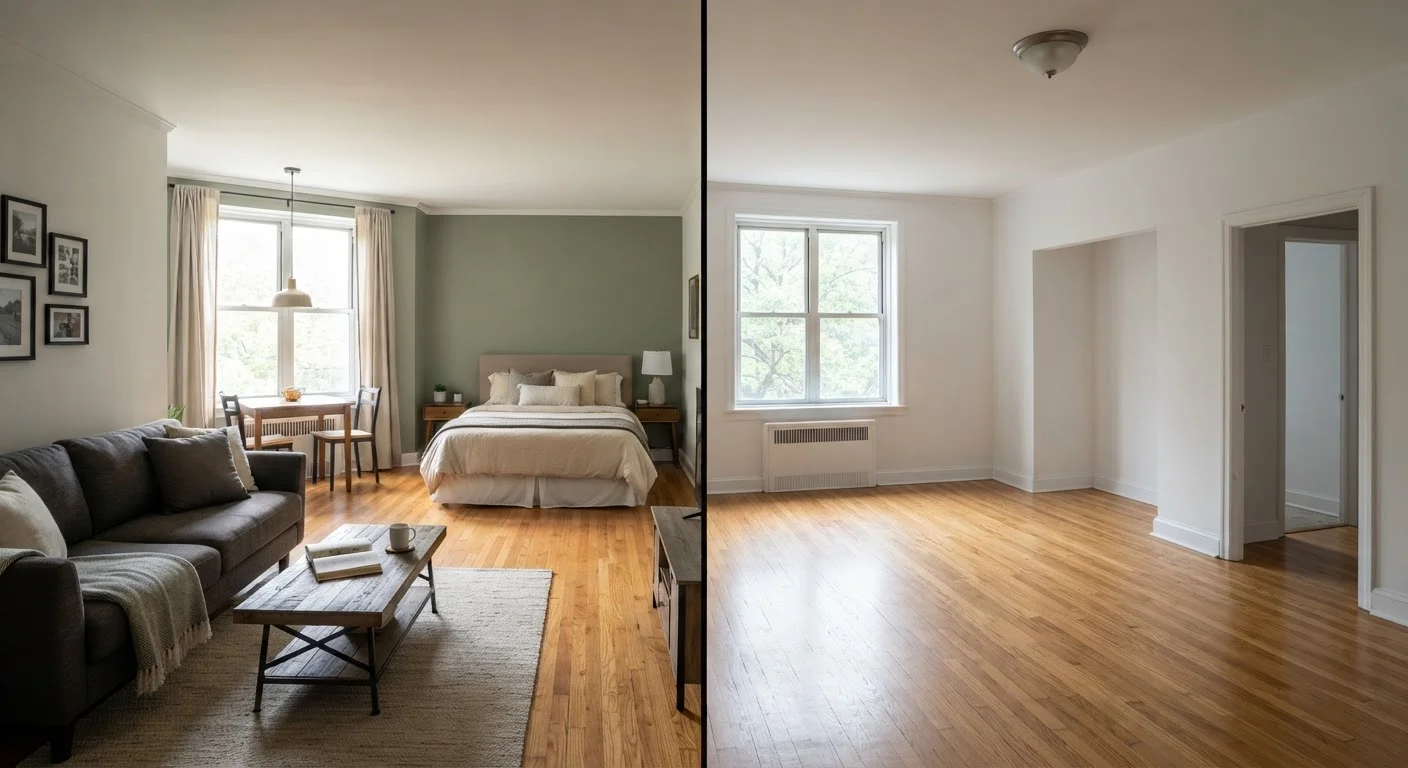
Once you've signed and paid, you'll receive keys — often on or just before the lease start date. Before you move a single box in, do a thorough walk-through of the unit and document everything with timestamped photos or video. Note existing scuffs, stains, broken fixtures, and appliance issues. Share this record with your landlord in writing and keep a copy. This documentation is your primary protection when it's time to get your security deposit back.
Set up renter's insurance before or on move-in day. It's typically inexpensive and covers your personal belongings against theft, fire, and certain types of water damage — your landlord's policy covers the building, not your stuff.
Once you're settled, familiarize yourself with basic home maintenance tasks that are typically the tenant's responsibility: replacing HVAC filters, testing smoke detectors, and reporting maintenance issues promptly in writing. Good communication with your landlord from day one sets the tone for a smoother tenancy.
Renting is often the first step before eventually exploring ownership. When you're ready to compare the two paths, our overview of buying your first home walks through what that journey looks like from the start.
This article is for general informational purposes only and does not constitute legal, financial, or housing advice. Rental laws and practices vary by state and locality. Consult a qualified professional or your local housing authority for guidance specific to your situation.