

The Stakes: Why Your Deposit Is Worth Protecting
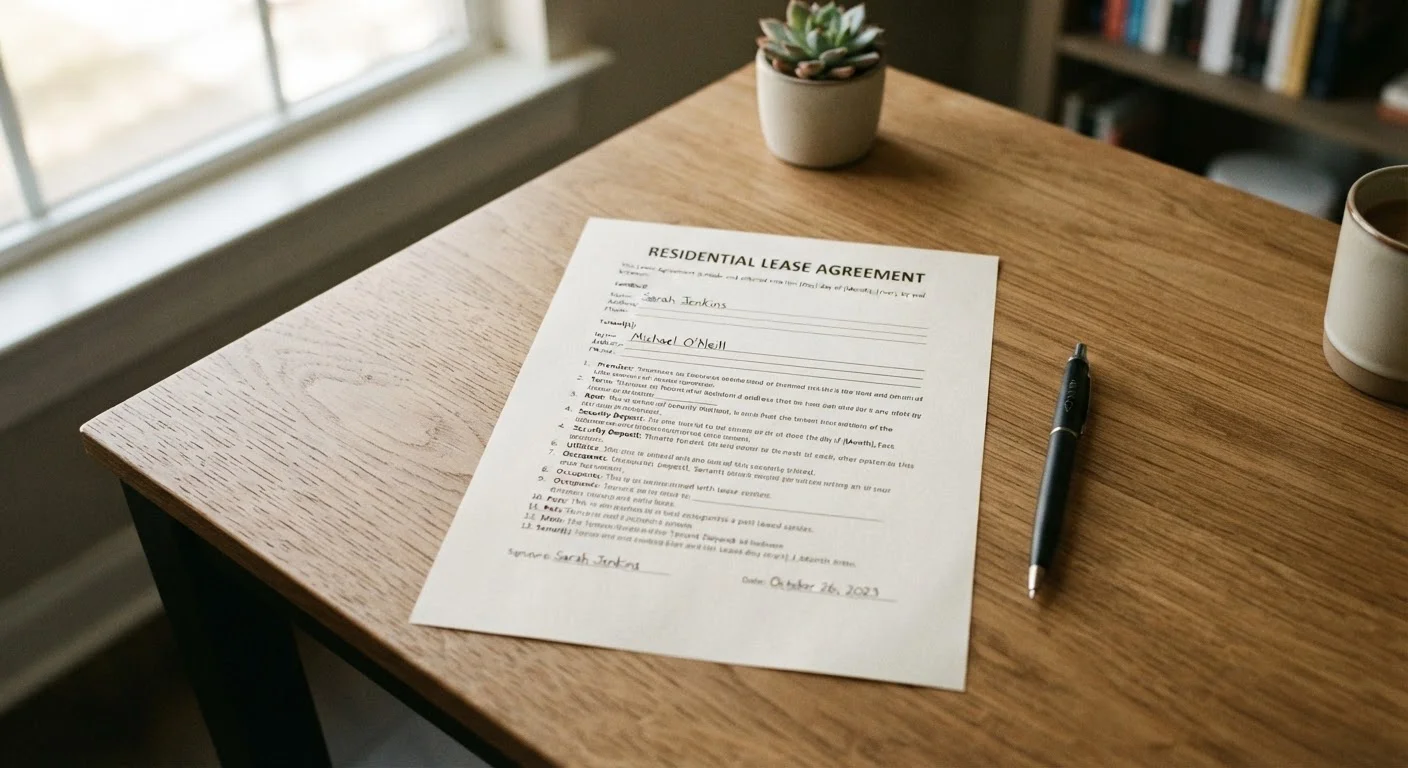
A security deposit — the upfront sum a landlord collects before you move in, typically equal to one or two months' rent — is held as financial protection against damage or unpaid rent. In most US states, landlords are required by law to return it within a set window after you move out (commonly 14 to 30 days), minus any legally permitted deductions.
That money is yours. But every year, countless renters get back far less than expected — not because landlords are always acting in bad faith, but because renters didn't know the rules going in. Understanding what triggers deductions puts you in a much stronger position. For a deeper look at what landlords can and cannot legally keep, see our guide on how security deposits work.
Skipping the move-in inspection and failing to document existing damage.
Why it happens: First-time renters are focused on the excitement of moving in and assume the landlord's checklist is sufficient protection.
Leaving appliances, bathrooms, or the oven dirty at move-out.
Why it happens: Renters often underestimate what 'clean' means to a landlord or assume normal use excuses grime buildup.
Failing to report damage or maintenance issues in writing during the tenancy.
Why it happens: Tenants worry about being seen as difficult, or they assume a quick verbal mention to the landlord is enough.
Breaking the lease early without proper notice or a written agreement.
Why it happens: Life circumstances change unexpectedly, and tenants sometimes leave without fully understanding the financial consequences spelled out in their lease.
Making unauthorized alterations — painting walls, installing fixtures, or removing hardware.
Why it happens: Renters want to personalize their space and assume small changes won't be noticed or will be forgiven.
Ignoring the lease's notice requirement before move-out.
Why it happens: Many tenants assume giving 30 days' notice is always sufficient, when their lease may require 60 days or specify exact dates.
How to Protect Yourself From Start to Finish
Avoiding deposit deductions isn't complicated — it mostly comes down to documentation and communication throughout your tenancy, not just at the end.
~40%
Renters who don't receive a full deposit refund
Industry surveys consistently find that a large share of renters report receiving partial or no deposit refund, with cleaning and damage cited as the most common reasons.
14–30 days
Typical state deadline to return a deposit
Most US states require landlords to return the security deposit within 14 to 30 days of move-out; missing this window can entitle the tenant to penalties.
Move-in: Create your paper trail immediately
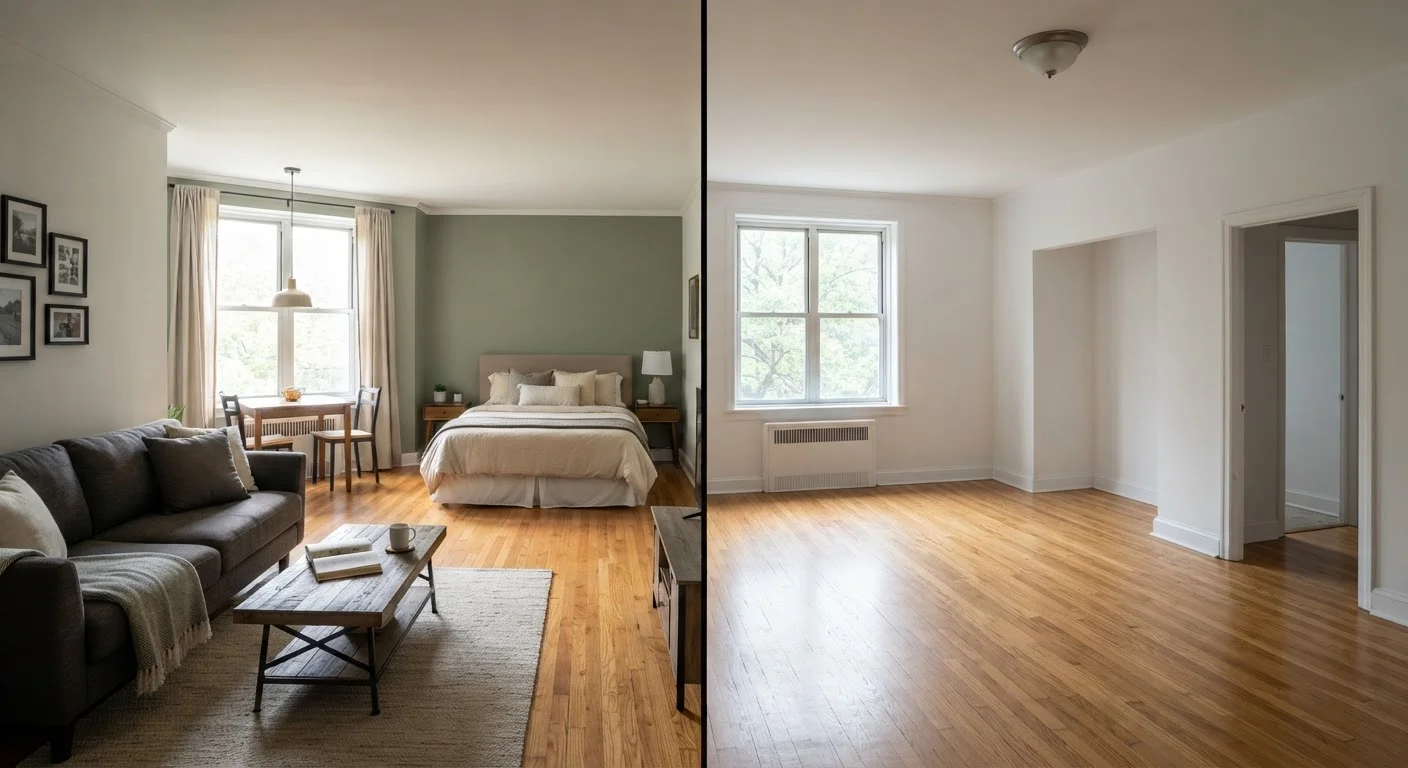
The single most protective thing you can do is complete a detailed move-in inspection the day you get your keys. Walk every room, photograph every scuff, stain, and scratch — including inside cabinets, behind doors, and on appliances. Date-stamp everything and email a copy to your landlord so it's timestamped independently. This becomes your baseline evidence if any dispute arises at move-out.
During your tenancy: Stay on top of small issues
Routine upkeep — changing HVAC filters, keeping drains clear, preventing mold in bathrooms — is often the tenant's responsibility. Letting minor problems compound into larger damage is one of the most avoidable paths to deductions. Our article on what renters are responsible for maintaining breaks this divide down clearly.
Move-out: Leave it as you found it
Clean the unit thoroughly — including appliances inside and out, baseboards, and light fixtures. Patch small nail holes. Return all keys. Then do a walkthrough with the landlord if possible, and repeat your photo documentation. Our end-of-tenancy checklist covers every step in detail so nothing falls through the cracks.
Don't Rely on Verbal Agreements at Move-Out
If your landlord verbally agrees to overlook a repair or waive a cleaning fee, it means nothing without written confirmation. Always follow up any spoken agreement with an email summarizing what was discussed and ask the landlord to confirm. Verbal promises are extremely difficult to enforce if a deposit dispute ends up in small claims court. For more on this, see our article on rental myths that catch first-timers off guard.
This article is for general informational purposes only and does not constitute legal or financial advice. Deposit rules vary by state and locality — consult local tenant-rights resources or a qualified attorney if you have a specific dispute.