

What Landlords Can Legally Deduct
When your tenancy ends, a landlord is generally permitted to deduct from your deposit for three categories of loss:
- Unpaid rent: Any rent you owe at the time you vacate, including rent owed during a notice period you did not pay.
- Damage beyond normal wear and tear: This includes things like large holes in walls, broken appliances caused by misuse, deep carpet stains, or a cracked bathroom tile from a dropped object.
- Lease-specified cleaning costs: Some leases include a professional cleaning clause. If the unit is left in genuinely unsanitary condition, cleaning costs can be deductible — but a landlord cannot charge you for cleaning a unit that is already clean.
Every deduction must typically be backed by an itemized written statement, often with receipts or invoices. A landlord who hands you a vague bill for "repairs" without documentation is on shaky legal ground.
Ask for Itemization in Writing
Even if your landlord verbally tells you why they are keeping part of your deposit, always request a written itemized statement. Most states legally require this anyway, but having it in writing gives you a clear record to dispute if figures seem inflated or incorrect.
What Landlords Cannot Keep Your Deposit For
This is where many first-time renters get taken advantage of, and it is worth being direct: landlords cannot legally keep your deposit for the following:
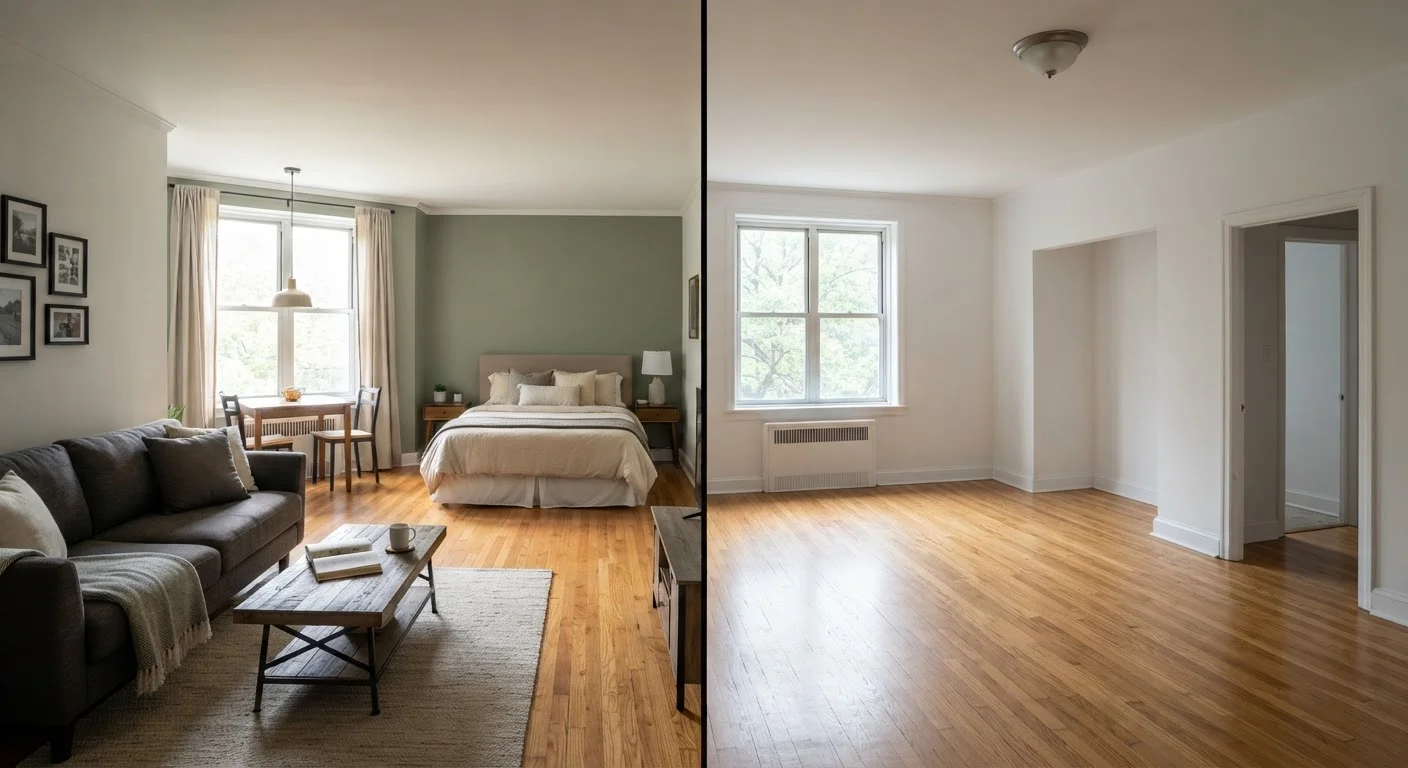
- Normal wear and tear: Paint that has faded, minor wall scuffs, small nail holes from hanging pictures, carpet worn down from foot traffic — these are expected consequences of someone living in a space.
- Pre-existing damage: If a window was cracked when you moved in and you documented it, you cannot be charged for it on the way out. This is exactly why a move-in inspection matters — see our move-in inspection checklist for a room-by-room walkthrough.
- Cosmetic upgrades the landlord wanted anyway: If a landlord repaints the entire unit a new color after you leave, that is not your expense.
- General maintenance and aging: Replacing a worn-out refrigerator seal or regrouting a shower that has simply aged is the landlord's cost of doing business.
Many tenants do not push back because they do not realize these rules exist. You are entitled to challenge improper deductions — often through your state's small claims court process, which is designed to be accessible without an attorney.
State Laws Vary Significantly
What counts as "normal wear and tear" is not defined the same way everywhere, and some states have court decisions that refine the definition further. If you are unsure whether a deduction is legitimate, your state attorney general's office or a local tenant advocacy group is a good free first resource. Many cities also have renter hotlines staffed by people who know local law.
Timelines and How the Return Process Works
Once you move out, the clock starts ticking. Most states require landlords to return your deposit — along with an itemized list of any deductions — within 14 to 30 days. Some states give landlords up to 45 days, and a handful have different timelines for different situations. Look up your state's specific deadline before you hand over your keys.
To protect yourself, send a written notice of your move-out date (even if the lease already specifies it), return keys officially, and document the unit's condition at checkout just as thoroughly as you did on move-in day. Timestamped photos and a written walkthrough are your best evidence.
14–30 days
Typical state deadline to return a deposit
Most US states set a statutory return window in this range, though exact timelines differ — some states allow up to 45 days in specific circumstances.
2–3×
Penalty multiplier for landlord non-compliance
A number of states allow tenants to recover two or three times the original deposit amount if a landlord wrongfully withholds funds or misses the return deadline.
1–2 months
Common security deposit cap (rent equivalent)
Many states cap the maximum security deposit at one to two months' rent, though caps vary and some states impose none at all.
If the landlord does not respond within the legal deadline, do not simply give up. Many states treat a missed deadline as an automatic waiver of any deductions — meaning the full deposit is owed. Some states go further and allow you to sue for two or three times the original deposit amount. Check common reasons deposits are withheld so you can avoid those pitfalls before they arise.
How to Build a Strong Paper Trail From Day One
The single most effective thing you can do for your deposit is create documentation before you ever bring a box through the door. Walk through the unit with your landlord if possible, note every scratch, stain, and broken fixture on a written move-in inspection form, and photograph everything — including inside cabinets, under sinks, and around appliances.
Send copies of your inspection form to the landlord via email so there is a timestamped record. Keep that documentation somewhere safe for the entire duration of your tenancy. Repeat the same process when you leave.
Beyond documentation, understanding your full rights as a renter helps you avoid surprises throughout the lease, not just at move-out. Our guide on what landlords are legally required to provide covers obligations that run alongside deposit law. And if you want to catch red flags before signing, see the questions worth asking a landlord before you sign anything.
“The security deposit is one of the most litigated areas of landlord-tenant law precisely because the rules are clear on paper but frequently ignored in practice. Tenants who document everything and know their deadlines almost always come out ahead.”
— National Housing Law Project, Nonprofit legal organization focused on housing rights
This article provides general information about security deposit law in the US and is not legal advice. Rules differ by state and locality. For guidance specific to your situation, consult a licensed attorney or your local tenant rights organization.