
The Implied Warranty of Habitability
Before you sign anything, it helps to understand the legal foundation that governs almost every rental in the U.S.: the implied warranty of habitability. This is a legal principle — recognized in nearly all states — that requires landlords to maintain rental units in a condition fit for human occupancy. The key word is implied: this protection exists automatically, even if it isn't written anywhere in your lease.
What counts as "habitable" varies somewhat by state, but courts and statutes consistently require that a unit have:
- Structural integrity — sound walls, floors, roof, and windows
- Working plumbing and sanitation
- Adequate heat and, in most states, hot water
- Safe electrical systems
- Freedom from pest infestations
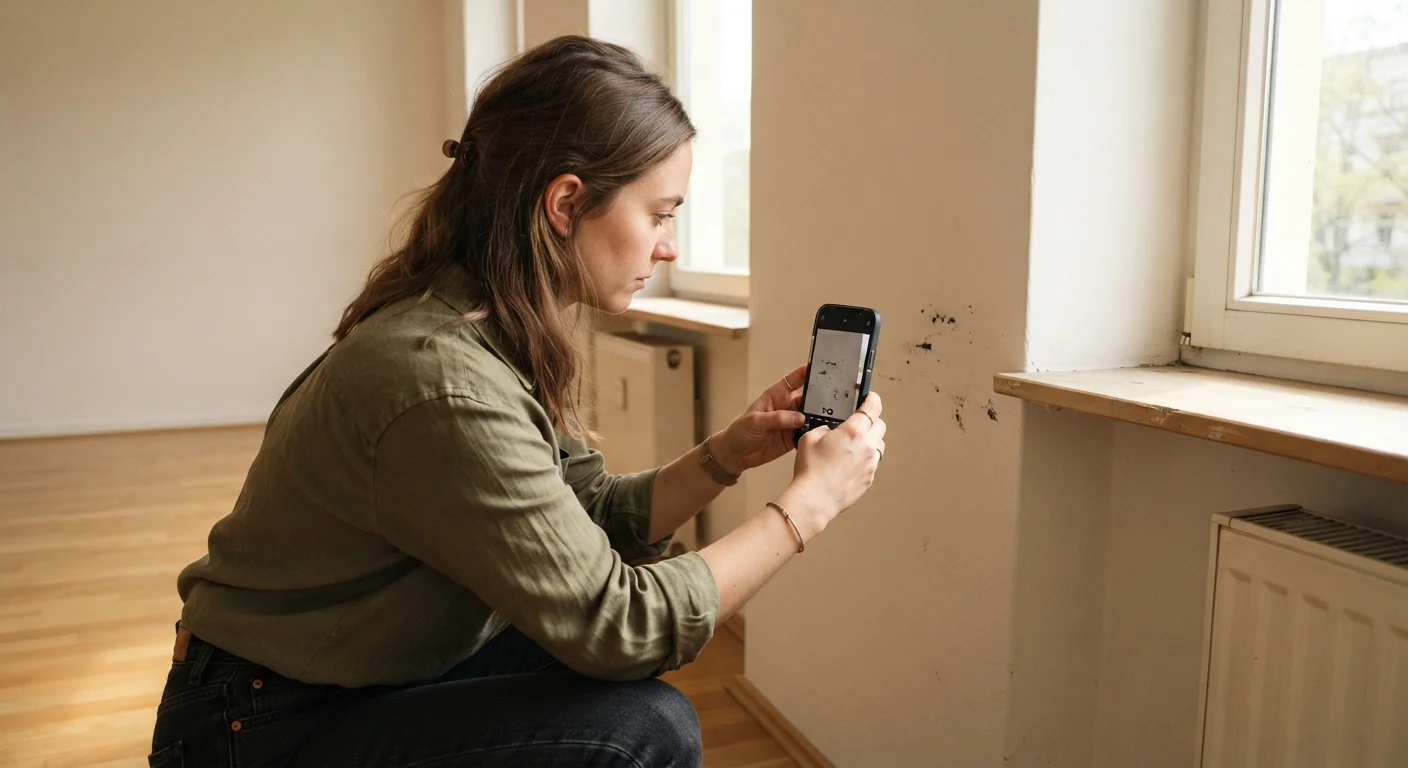
- Protection from weather and moisture intrusion
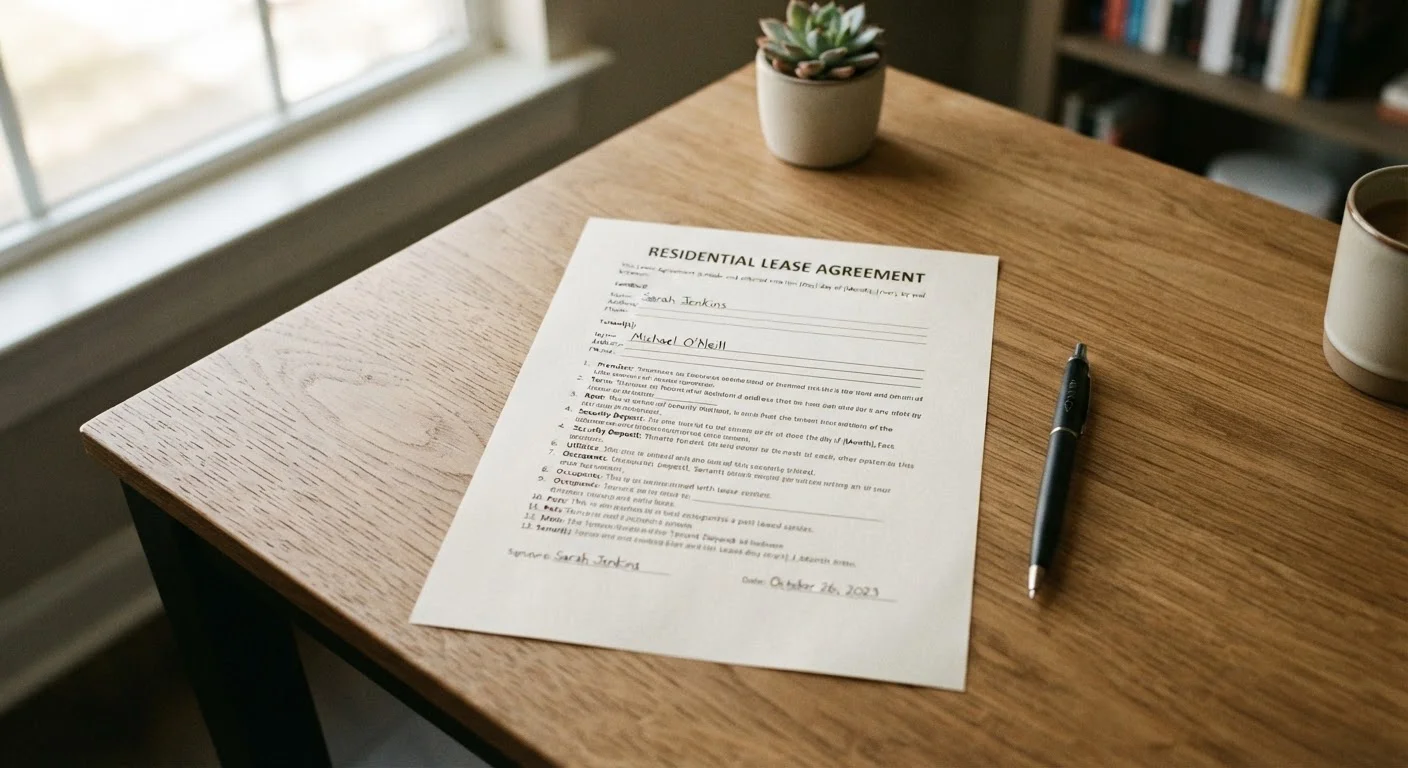
A landlord cannot contract around this obligation. Even if your lease includes language saying you accept the unit "as-is," that clause is unlikely to hold up against a habitability claim. Decoding every clause in a standard lease can help you spot language worth questioning before you sign.
State Laws Vary Significantly
Landlord obligations in this article reflect general U.S. standards, but your state and city may set stricter — or in rare cases, narrower — requirements. For example, some cities have rent stabilization rules or additional habitability codes that exceed state minimums. Always verify the specific rules that apply to your rental's location by checking your state's official landlord-tenant statutes or contacting a local tenant rights organization.
Required Disclosures Before You Sign
Landlords aren't just obligated to maintain the physical unit — they're also required to tell you about certain known risks before you commit. Some disclosures are mandated at the federal level; others depend on your state.
Federal requirements: Under the Residential Lead-Based Paint Hazard Reduction Act, landlords of housing built before 1978 must disclose any known lead-based paint or hazards and provide tenants with an EPA-approved informational pamphlet. This applies nationwide, regardless of state law.
Common state-level disclosures may include:
- Known mold or water damage history
- Radon testing results
- Past flooding or flood zone status
- Active pest infestations
- Presence of asbestos in older buildings
- Any known sex offender registry requirements (varies significantly by state)
Always ask for disclosures in writing. If a landlord is reluctant, that's a signal worth noting. Our list of questions worth asking a landlord before you sign can help you cover this ground systematically.
Get Every Disclosure in Writing
Even when a verbal disclosure is technically sufficient under local law, a written record protects you if a dispute arises later. Ask your landlord to email or provide printed copies of all required disclosures before you hand over any money. Keep these documents with your lease for the duration of your tenancy.
Safety Equipment and Building Standards
Beyond general habitability, most states impose specific requirements around safety equipment and building code compliance. Common obligations include:
- Smoke detectors: Required in virtually every U.S. state; landlords are generally responsible for installation and ensuring they work at move-in.
- Carbon monoxide detectors: Required in a growing number of states, particularly when gas appliances or attached garages are present.
- Secure locks: Exterior doors and windows must have functioning locks. Some states require deadbolts on entry doors.
- Safe common areas: Hallways, stairwells, and shared spaces must be kept clean, lit, and free of hazards.
Local building codes layer on top of state law, so requirements vary by city and county. If you're ever unsure whether something in your unit meets code, your local housing authority or building department can often advise you at no cost.
~49
U.S. states recognizing implied warranty of habitability
Legal scholars widely note that nearly all U.S. states have adopted the implied warranty of habitability through statute or case law, making it one of the most universal tenant protections.
Pre-1978
Housing subject to federal lead disclosure rules
The EPA estimates millions of U.S. housing units built before 1978 may contain lead-based paint, making federal disclosure requirements highly relevant to renters in older cities.
24–48 hrs
Typical advance notice required before landlord entry
Most U.S. states require landlords to provide between 24 and 48 hours' written notice before entering a rental unit for non-emergency inspections or repairs.
What Falls on You vs. Your Landlord
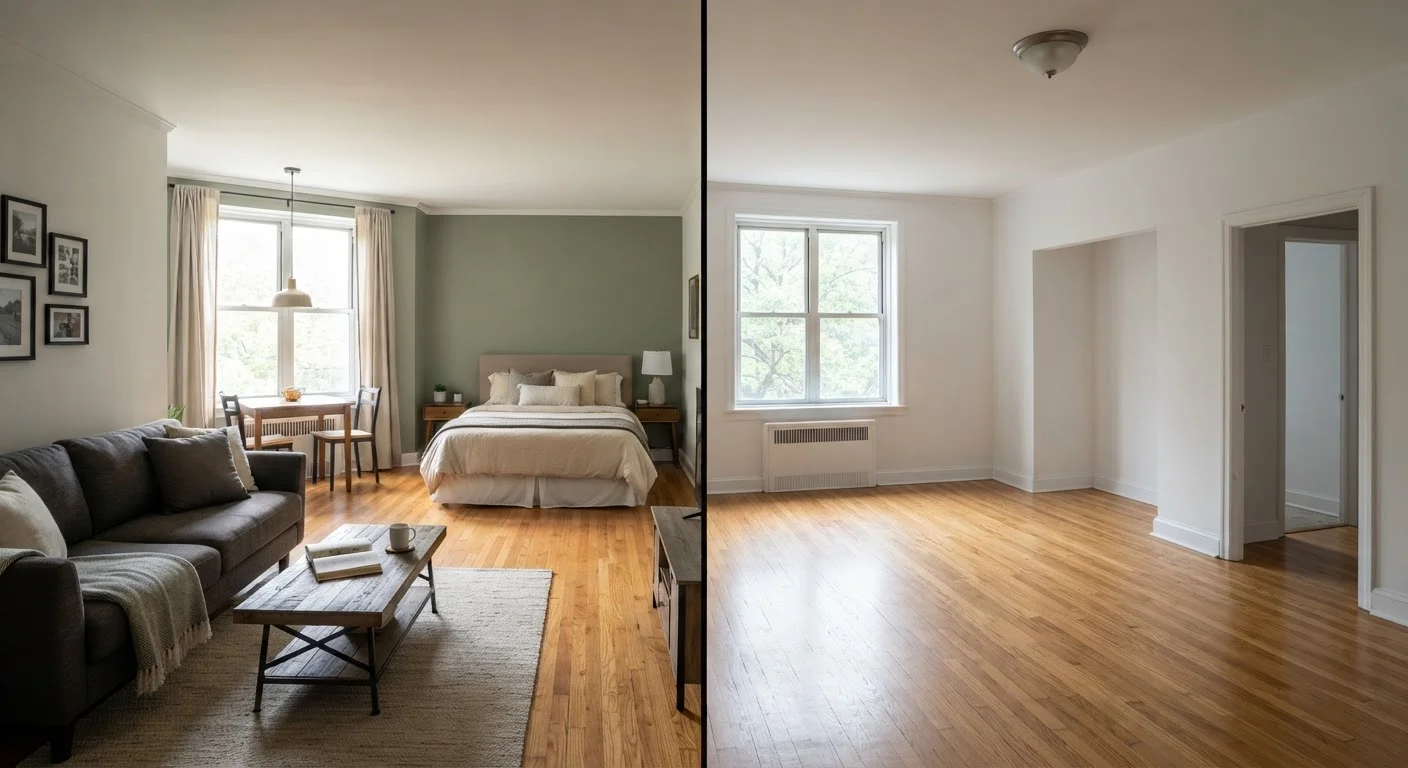
Landlord obligations don't cover everything. Understanding where the landlord's responsibility ends — and yours begins — prevents misunderstandings and protects your security deposit. Generally, landlords are responsible for structural and system-level repairs; tenants are responsible for day-to-day upkeep and damage they cause.
For a fuller breakdown, see what you're responsible for in a rented home. And if you're approaching move-out, understanding what landlords can and cannot keep from your deposit is essential reading.
If your landlord is failing their obligations and not responding to requests, you're not without options. Learn the steps tenants can take when repairs go ignored — including how to document issues and escalate appropriately.
This article provides general information about U.S. landlord-tenant law and is not legal advice. Laws vary significantly by state and locality. For guidance specific to your situation, consult a licensed attorney or your local tenant rights organization.