
Why Landlords Have a Legal Duty to Repair
In every US state, landlords are required by law to maintain rental properties in a habitable condition — this is known as the implied warranty of habitability. Habitability standards typically include working heat, plumbing, electricity, structural soundness, and freedom from pest infestation or environmental hazards like mold. These obligations exist regardless of what any individual lease says: a clause that attempts to waive them is generally unenforceable.
That said, the precise definition of "habitable" and the timelines landlords must meet vary meaningfully by state and sometimes by city. A landlord in one jurisdiction may have 24 hours to restore heat in winter; in another, the standard may be less specific. Understanding your local rules is the essential first step. Before you even sign a lease, the right questions to ask a prospective landlord can reveal a lot about how maintenance is handled.
What you will need
Step-by-Step: Getting Repairs Done
Most maintenance disputes are resolved before reaching formal legal action — but only when tenants follow a clear, documented process. The steps below reflect general best practices; always verify the specifics for your state.
Written communication channel (email or certified mail)
Creates a timestamped paper trail of all repair requests and landlord responses.
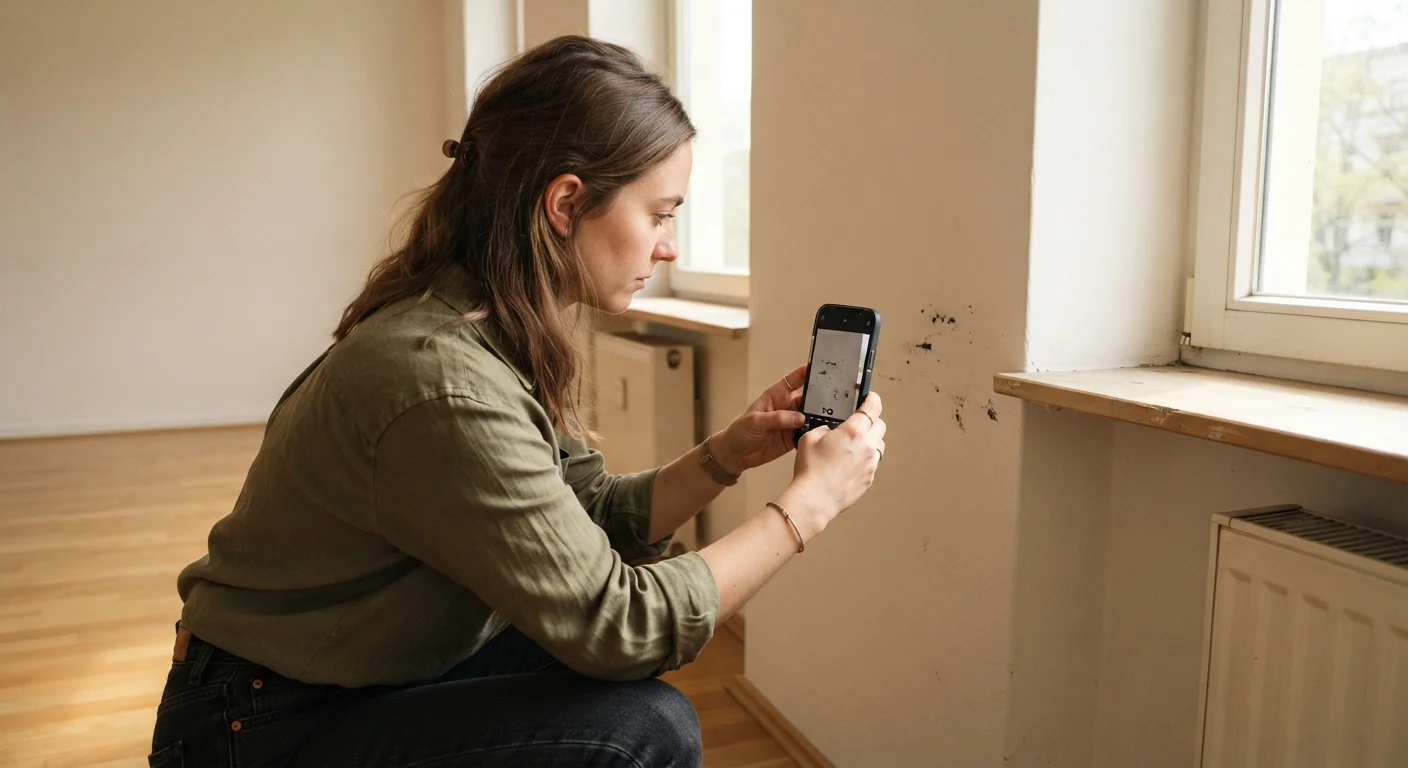
Smartphone or camera
Capture dated photos and video of the unrepaired issue as evidence.
Repair request log or notebook
Track the date, nature, and outcome of every maintenance communication in one place.
Local housing authority contact information
File a formal complaint if the landlord continues to ignore habitability issues.
Confirm the landlord is actually responsible
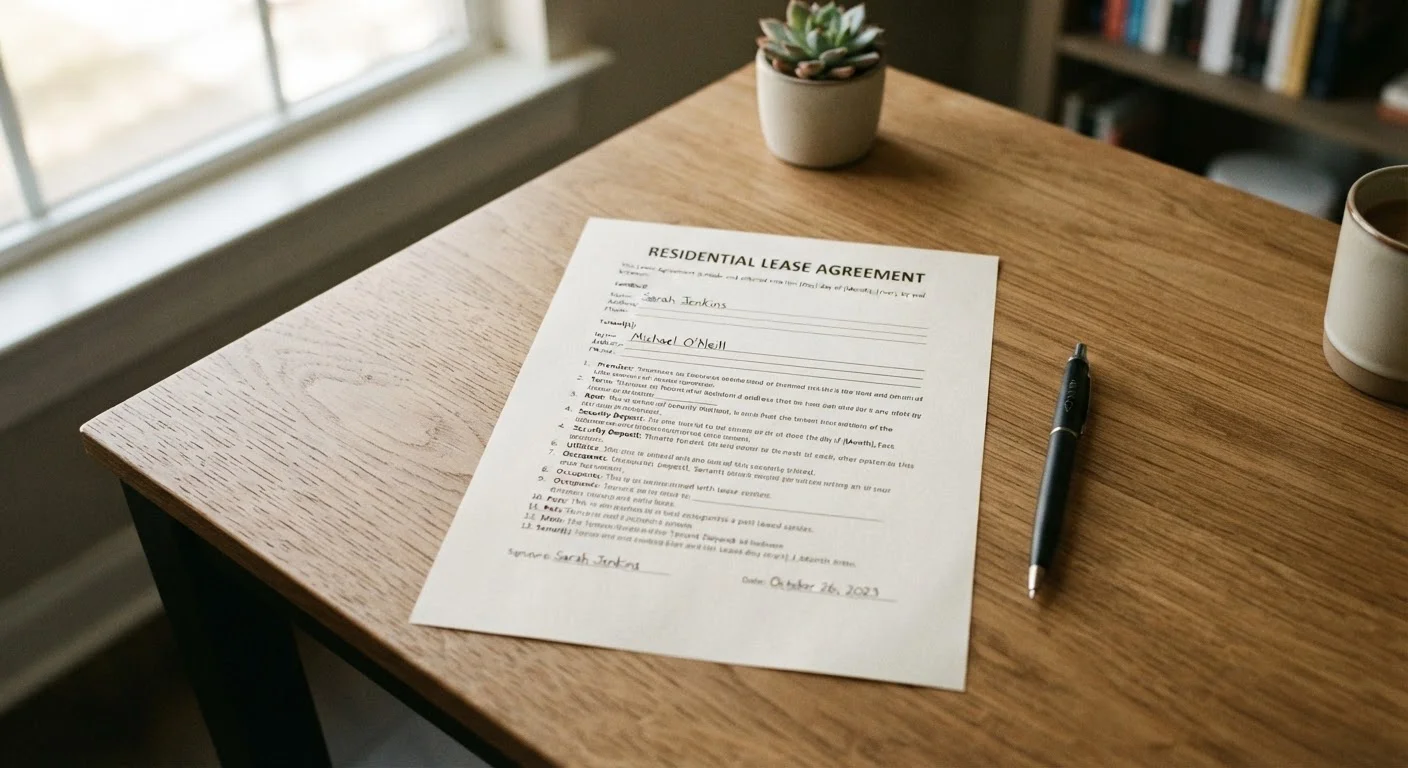
Before escalating, check your lease and review your state's landlord-tenant law to confirm the repair falls on the landlord — not you. Landlords are generally responsible for structural issues, heating, plumbing, electrical systems, and anything affecting habitability. Cosmetic issues or damage you caused are typically your responsibility. For a deeper look at the landlord-tenant maintenance divide, see understanding your repair responsibilities.
Submit a formal written repair request
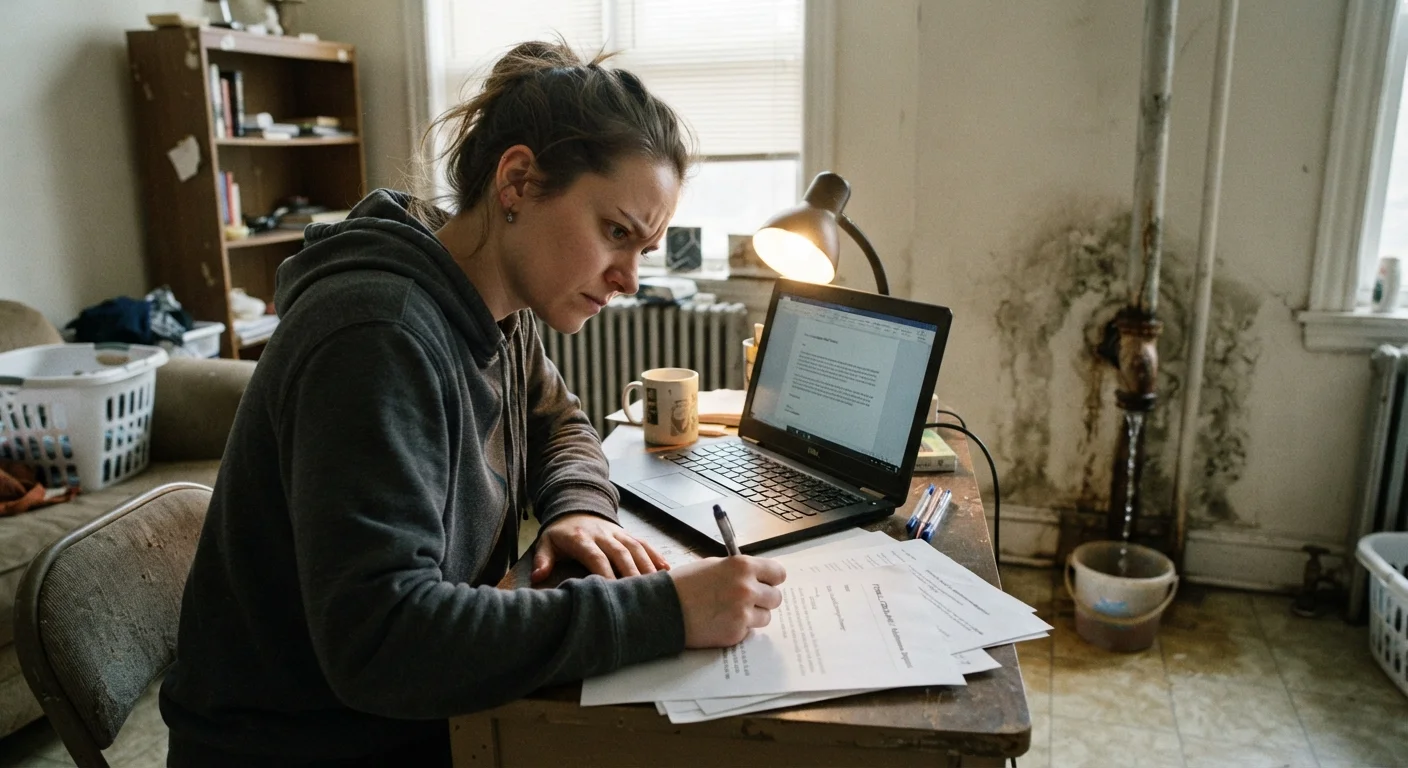
If you've only reported the issue verbally, follow up immediately in writing. Email is sufficient in most cases, but certified mail provides a stronger paper trail for serious problems. In your message, describe the issue clearly, reference any previous verbal conversations (with dates), state that the problem affects your ability to use the unit safely, and request a specific repair timeline. Keep a copy of every message you send.
Document the issue thoroughly
Take dated photos or video of the problem immediately — before and after any landlord response. Note the date the issue started, any related health or safety impact, and any out-of-pocket expenses you've incurred (such as buying space heaters because the heating system failed). Store everything in a single folder, physical or digital, you can access quickly.
Send a formal demand letter
If your initial written request is ignored after a reasonable period — generally 14 to 30 days, though urgency matters for serious issues like no heat in winter — send a more formal demand letter. Summarize the issue, list every prior request with dates, state that continued inaction may prompt you to contact your local housing authority or pursue available legal remedies, and set a clear deadline for response. Send by certified mail and keep the return receipt.
Contact your local housing authority or code enforcement
Most US municipalities have a housing code enforcement office or building inspection department. You can file a complaint describing the unresolved issue; an inspector may visit the property and issue the landlord a formal notice of violation. This step creates an official record and often motivates action more quickly than private communication alone. Search your city or county website for "housing code enforcement" or "rental housing complaints."
Explore legal remedies available in your state
If the issue remains unresolved, several legal remedies may be available depending on your state: rent withholding (placing rent in an escrow account until repairs are made), repair-and-deduct (hiring a contractor and deducting costs from rent within legal limits), or filing a claim in small claims court for damages. Each remedy has specific procedural requirements and financial thresholds. This is the stage where professional guidance becomes strongly advisable.
[tip_callout]Do Not Withhold Rent Without Legal Guidance
Rent withholding is a recognized tenant remedy in many states but is governed by strict procedural requirements. Withholding rent improperly — even with genuine cause — can result in eviction proceedings against you. Before stopping any payments, research your state's law or speak with a local tenant rights organization.
Keeping Good Records Protects You Either Way
Whether your landlord ultimately makes the repair or you end up in small claims court, your documentation is your strongest asset. A well-kept paper trail demonstrates good faith on your part, establishes a timeline, and gives any housing inspector, mediator, or judge the context they need to evaluate your complaint fairly.
Keep records even after the repair is made — if the same issue recurs, your history of documented requests will carry significant weight. And if you eventually decide to move out, a clean record of how you handled disputes responsibly will matter for references. For guidance on finishing a tenancy on good terms, see moving out without losing money or your reference.
This article provides general informational guidance on US tenant rights and is not legal advice. Laws vary significantly by state and locality. For guidance specific to your situation, consult a licensed attorney or local tenant rights organization.