

Why Your Move-Out Strategy Matters
Moving out of a rental feels like the finish line — but how you cross it determines whether you get your security deposit back and whether your landlord will vouch for you to the next one. Many first-time renters lose hundreds of dollars or a valuable reference simply because they didn't know the steps involved.
This checklist walks you through every stage: giving proper notice, preparing the unit, handling paperwork, and parting professionally. If you want to understand what landlords are obligated to do on their end throughout the tenancy, see our guide on what a landlord is legally required to provide. And if you're already thinking about what comes after renting, the Buying Your First Home hub is a natural next step.
Missing Your Notice Deadline Costs You
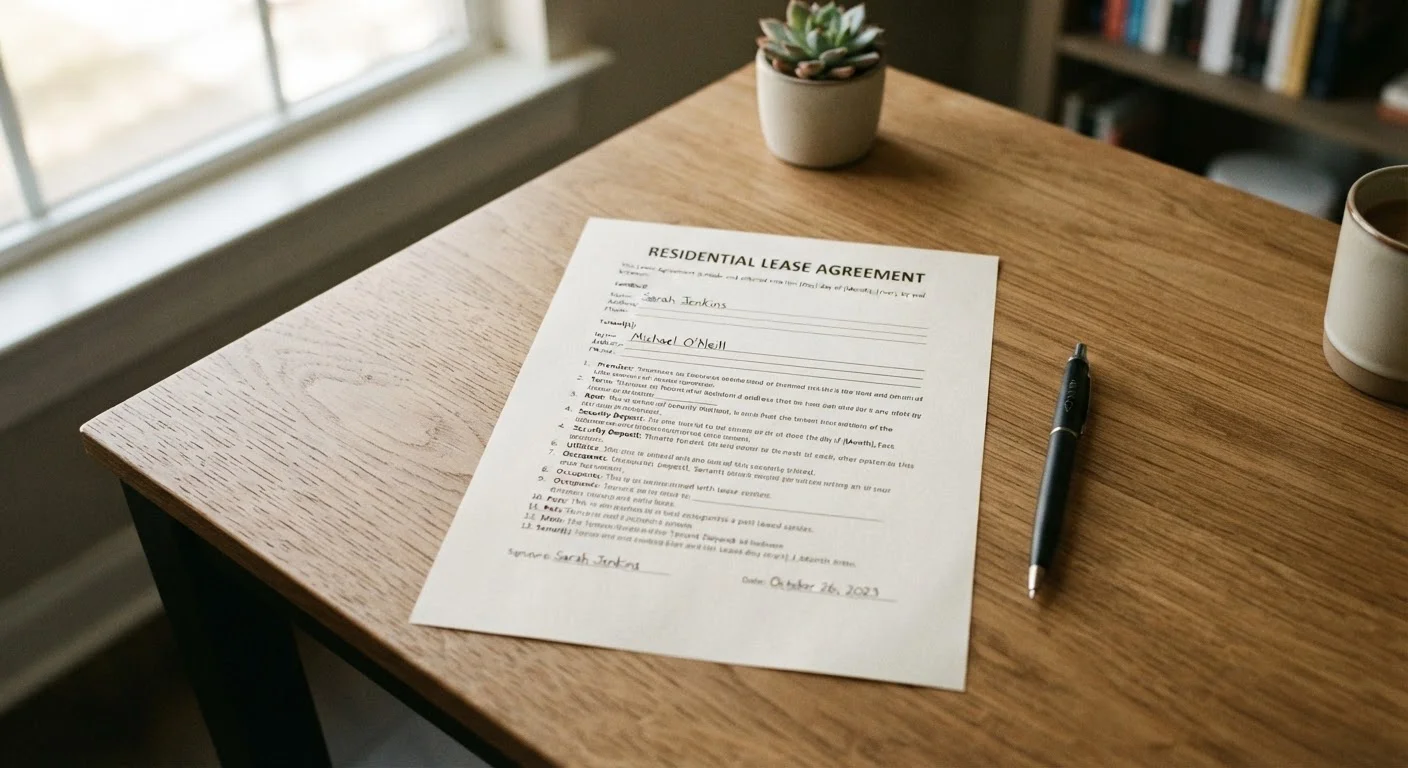
If you fail to give proper written notice within the required window, most leases allow the landlord to charge you rent for an additional month — even if you've already moved out. Check your lease's exact language now, not the week you plan to leave. Some states also have specific rules about what form notice must take, so it's worth verifying your local requirements.
What You'll Need Before You Start
Having the right materials on hand before move-out day prevents last-minute scrambles. Gather everything below at least a week before you hand over the keys.
Move-in inspection report
Provides the baseline condition record to compare against when disputing deposit deductions.
Smartphone with camera
Used to take timestamped photos and video of every room on move-out day.
All-purpose cleaner and microfiber cloths
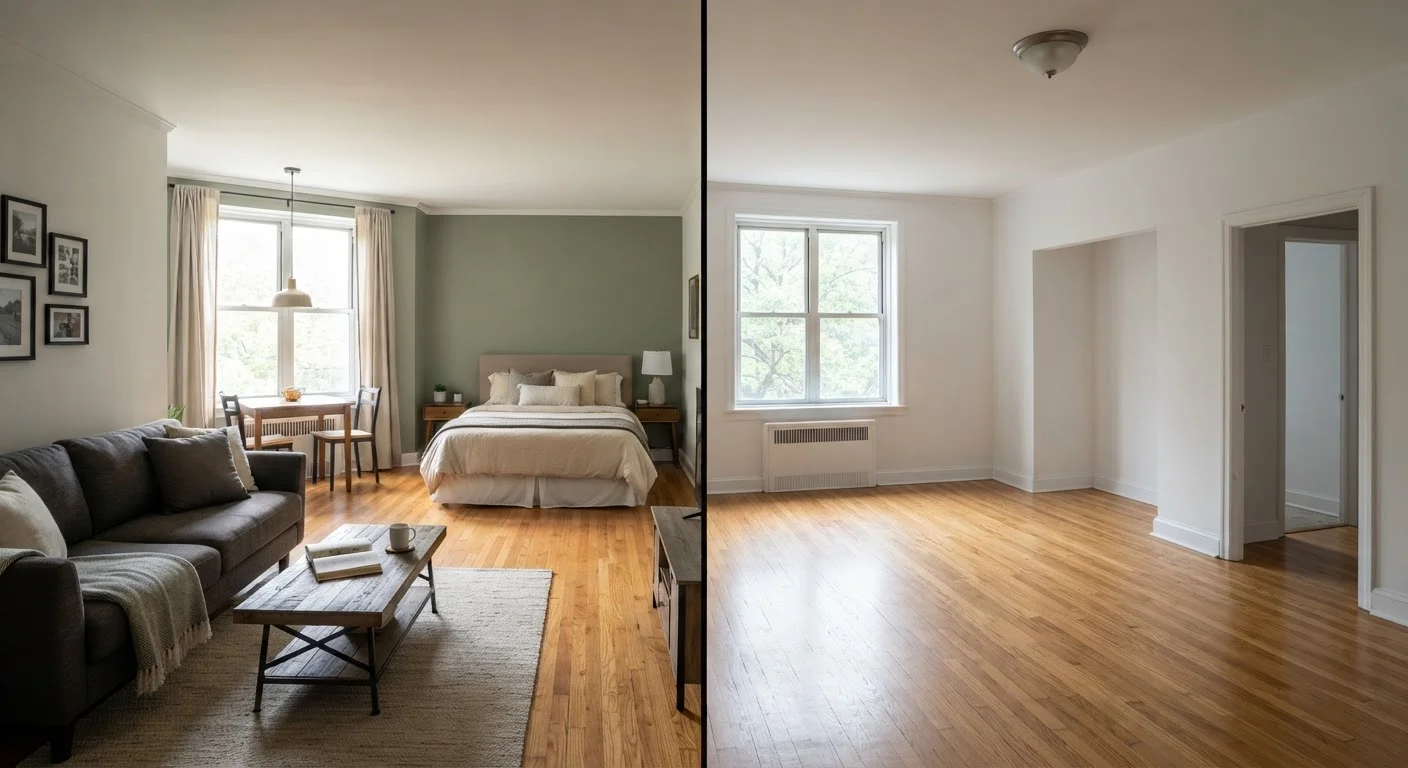
Essential for wiping down surfaces, appliances, and cabinets to move-in standard.
Spackling compound and small putty knife
For filling nail holes in walls before your final walkthrough.
Carpet cleaner or professional cleaning service
Required if your lease specifies professional carpet cleaning upon move-out.
Written forwarding address
Ensures your security deposit refund and any final correspondence reaches you.
The Full Move-Out Checklist
Work through these groups in order. The categories mirror the typical sequence of a move-out — from the administrative steps you take weeks ahead to the final walkthrough on your last day.
Notice & Administration
Documentation
Cleaning
Minor Repairs
Final Day
Security Deposit Deduction Rules Vary by State
Every US state sets its own rules on how long a landlord has to return your security deposit — commonly 14 to 30 days after move-out — and what they must provide if they make deductions (usually an itemized list). If your landlord misses the deadline or makes unjustified deductions, you may have legal remedies. Research your specific state's tenant protection laws or consult a local tenant rights organization for guidance tailored to your situation.
Once you've completed the physical move-out, redirect your mail via the USPS change-of-address service and update your address with your bank, employer, and any government agencies. These administrative tasks are easy to forget in the chaos of moving but can cause real problems if left undone.
For ongoing habits that prevent damage accumulation throughout a tenancy, our article on keeping on top of a rented home outlines exactly what you're responsible for. Tackling small repairs and cleaning regularly means far less to do at move-out.