

Why Home Maintenance Feels Overwhelming (And Why It Doesn't Have To)
Most first-time homeowners — and plenty of renters — arrive at their new place with one quiet fear: What do I do when something breaks? That anxiety makes sense. You've never had to think about water heaters or HVAC filters before, and suddenly every creak in the floor feels like a warning.
Here's the reframe that changes everything: home maintenance is mostly prevention, not crisis management. The vast majority of costly repairs start as small, ignored problems. A dripping faucet is a cheap washer replacement today and a damaged cabinet tomorrow. The homeowners who feel confident aren't necessarily more skilled — they just check things regularly and act early.
This guide gives you the mental model and the practical starting points to do exactly that. Whether you own or rent, knowing how your home works puts you in control. If you're renting, our guide on renter maintenance responsibilities clarifies exactly what's your job versus your landlord's.
Start With What You Can See
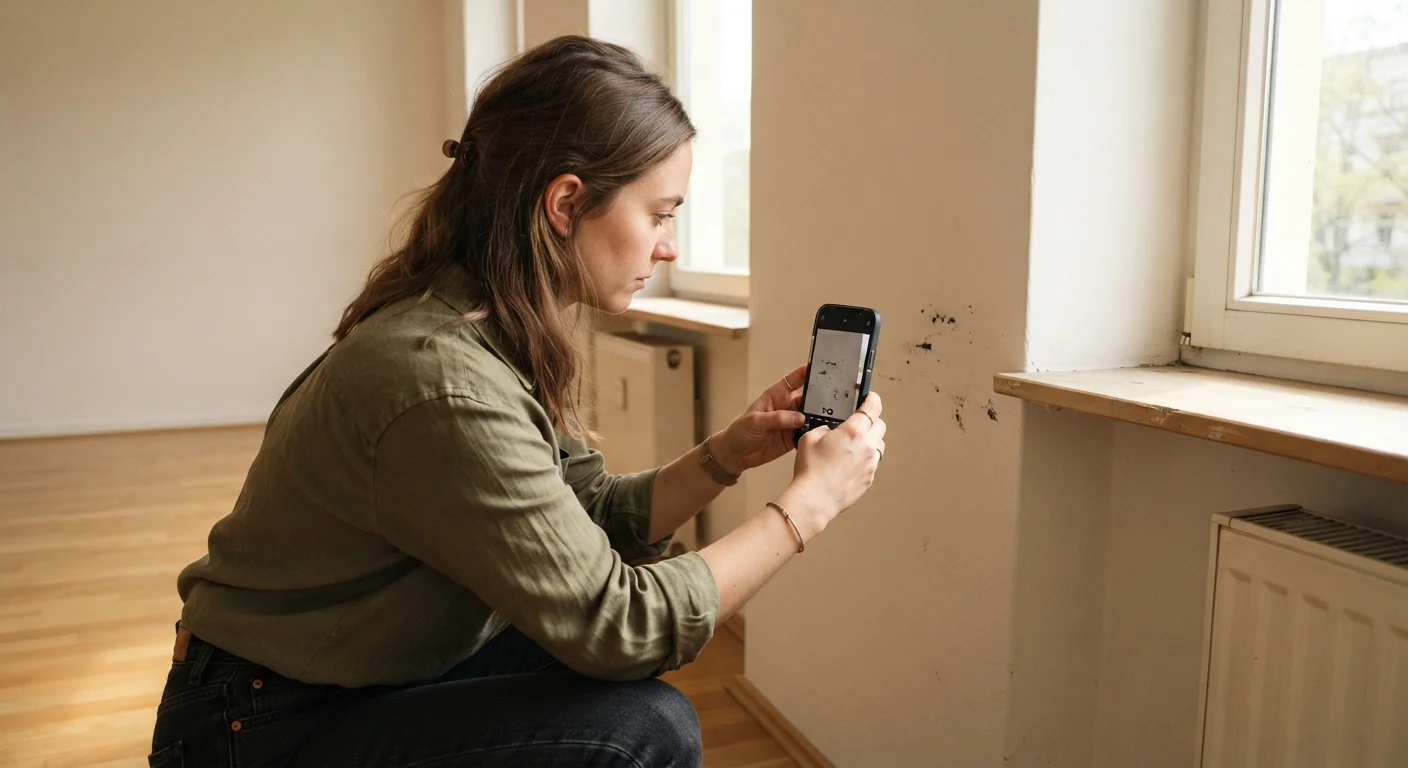
On your first day in a new home, do a slow walk-through and photograph everything that looks worn, damaged, or unclear to you. This gives you a baseline and a record — invaluable if something gets worse and you need to show when it started.
The Four Systems Every Homeowner Must Understand
Every home — apartment, condo, or single-family house — runs on four core systems. You don't need to be an expert in any of them, but you do need to know what they are, where they live, and what their warning signs look like.
Main water shut-off valve
A valve that stops all water flowing into your home when turned off. Knowing its location is essential for responding quickly to any plumbing leak.
Electrical panel
The metal box (usually in a utility room, garage, or hallway) that distributes electricity through your home via individual circuit breakers. Each breaker controls power to a different area or appliance.
HVAC
Stands for Heating, Ventilation, and Air Conditioning — the combined system that controls the temperature and air quality inside your home.
Building envelope
The physical barrier between the interior and exterior of your home, including the roof, walls, windows, and foundation. Keeping it sealed protects against water intrusion and energy loss.
Caulking
A flexible sealant applied around joints and gaps — such as where a tub meets the wall — to keep water and air out. It degrades over time and needs periodic replacement.
Circuit breaker
A safety switch inside the electrical panel that automatically cuts power to a circuit if it detects a dangerous overload. Tripping a breaker is normal occasionally; frequent tripping signals a problem.
Plumbing
Covers all water coming in and leaving the home. Key things to locate immediately: the main water shut-off valve (so you can stop a leak fast) and the shut-off valves under each sink and behind each toilet. Know how to read your water meter — unexpected increases can flag a hidden leak.
Electrical
Your electrical panel (also called the breaker box) controls power to every circuit in the home. Label each breaker if they aren't already. Never ignore flickering lights, burning smells, or frequently tripping breakers — these need a licensed electrician, not a DIY fix.
HVAC
HVAC keeps your home comfortable year-round. The most impactful thing you can do yourself: replace the air filter every 1–3 months (check the manufacturer's recommendation). A clogged filter forces the system to work harder and shortens its life.
Structure and Envelope
The "envelope" refers to everything that separates inside from outside — roof, walls, windows, and foundation. Gaps, cracks, or damaged seals let in water and air, causing damage that compounds fast. Walk your exterior a couple of times a year and look for anything that wasn't there before. Curious about common envelope myths? See our piece on weatherproofing myths for what actually works.
Seasonal Upkeep: Thinking in Rhythms
Rather than reacting to problems, the best maintenance happens on a schedule tied to the seasons. Each season brings predictable stresses — freezing temperatures, heavy rain, peak cooling loads — and each one has a short checklist that takes an afternoon at most.
- Spring: Inspect the roof and gutters after winter. Test smoke and carbon monoxide detectors. Check window seals and exterior caulking.
- Summer: Service the air conditioning unit or have it inspected. Clear dryer vents. Look for signs of pest entry around the foundation.
- Fall: Drain outdoor hoses and shut off exterior faucets before frost. Have the heating system serviced. Clean gutters after leaves fall.
- Winter: Know how to prevent and respond to frozen pipes. Keep the thermostat consistent to reduce stress on the system. Check attic insulation adequacy.
For the full task-by-task breakdown, our year-round home maintenance schedule walks through every month so nothing slips through the cracks.
What You Can Fix Yourself — and What You Shouldn't
A healthy maintenance mindset includes knowing your limits — not just your capabilities. Some jobs genuinely belong to licensed professionals, and attempting them yourself can create safety hazards, void insurance, or violate local building codes.
Generally safe for confident beginners
- Replacing faucet washers or toilet flappers
- Patching small drywall holes
- Recaulking around tubs and sinks
- Replacing outlet cover plates or light switch covers
- Swapping out a showerhead
Requires a licensed professional
- Any work on the electrical panel or new wiring runs
- Gas line connections or appliance hookups
- Structural alterations (removing walls, altering load-bearing elements)
- Major plumbing work tied to the main supply or drain stack
Permits and Codes Are Not Optional
Many home repairs and improvements require a permit and inspection from your local municipality. Skipping permits can create problems when you sell the home and may affect your homeowner's insurance coverage. Always check local requirements before starting any project beyond basic repairs — your city or county building department is the right place to ask.
Getting comfortable with the beginner tasks first — then gradually expanding your skills — is the smart path. Our detailed guide on where DIY ends and a professional begins gives you a clear, honest picture of the line. And if you need to start from scratch with tools, the basic toolkit every first home needs is your starting point.
Building Your Maintenance Mindset
The goal isn't to become a handyman — it's to become someone who isn't caught off guard. That means three habits: notice, document, and act early.
Notice: Walk your home once a month with fresh eyes. Look at ceilings, under sinks, around the base of the water heater. Anything damp, discolored, or unusual deserves attention.
Document: Keep a simple home log — a notes app or a paper folder works fine — with appliance model numbers, filter sizes, the date of the last service, and contact info for any tradespeople you trust. When something breaks at 9 p.m., you'll be glad you have it.
Act early: A $10 fix today is almost always cheaper than a $500 fix in six months. Don't let minor issues sit because they aren't urgent yet.
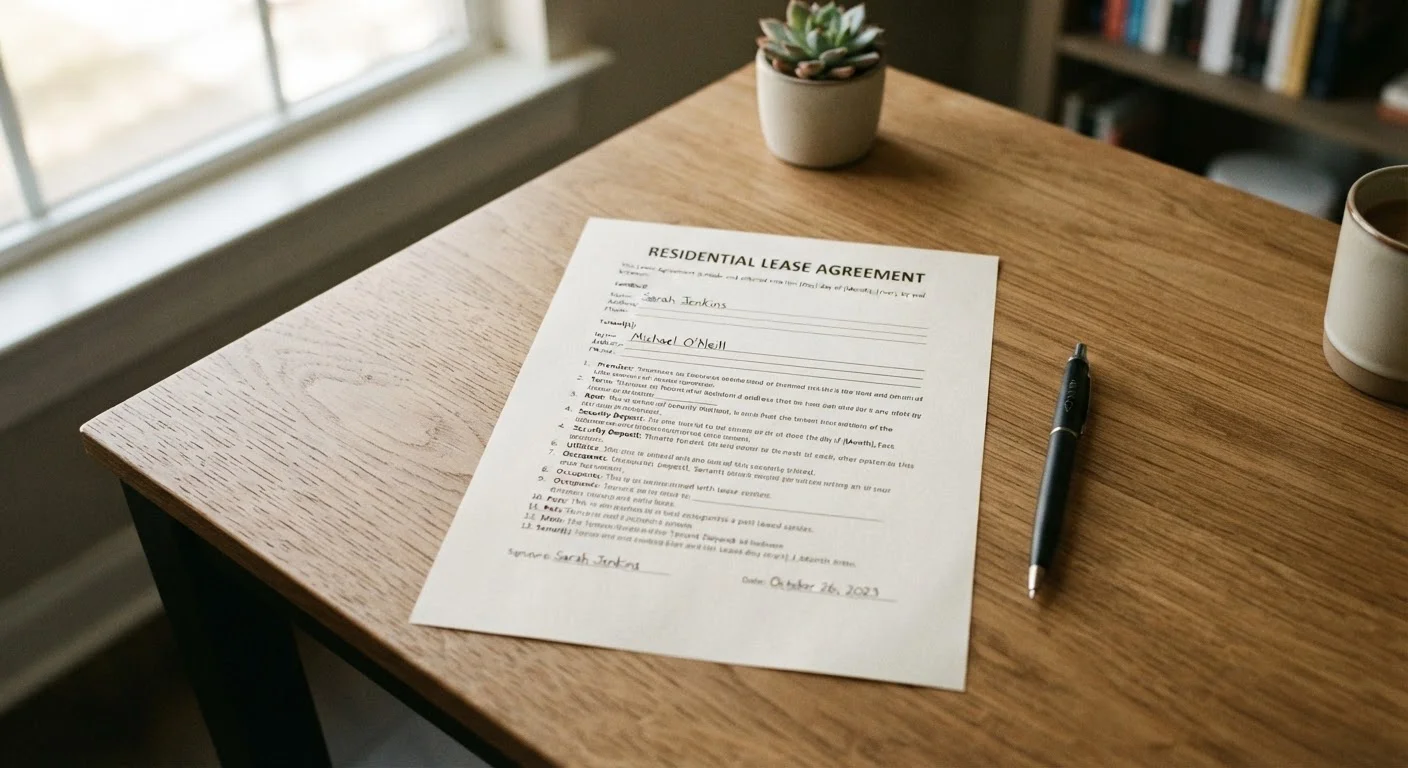
If you're also navigating the buying process for the first time, our first home buying roadmap covers everything from mortgages to closing day. And if you're currently renting, renting basics has the foundational knowledge you need about leases and landlord relationships.
Home maintenance has a learning curve, but it's a short one. Start with the systems, build the seasonal habit, and you'll move from anxious to capable faster than you expect.
Year-Round Home Maintenance Schedule
A month-by-month checklist of seasonal upkeep tasks to keep your home running smoothly all year. A practical companion to this beginner's overview.
The Basic Toolkit Every First Home Needs
Covers the tools that handle 80% of everyday repairs — what each one does and how to use it safely. Essential reading before tackling any DIY task.
Where DIY Ends and a Professional Begins
A clear, honest breakdown of which home repairs are safe for beginners and which ones carry real risk or require a licensed trade.