
The Case for Doing It Yourself
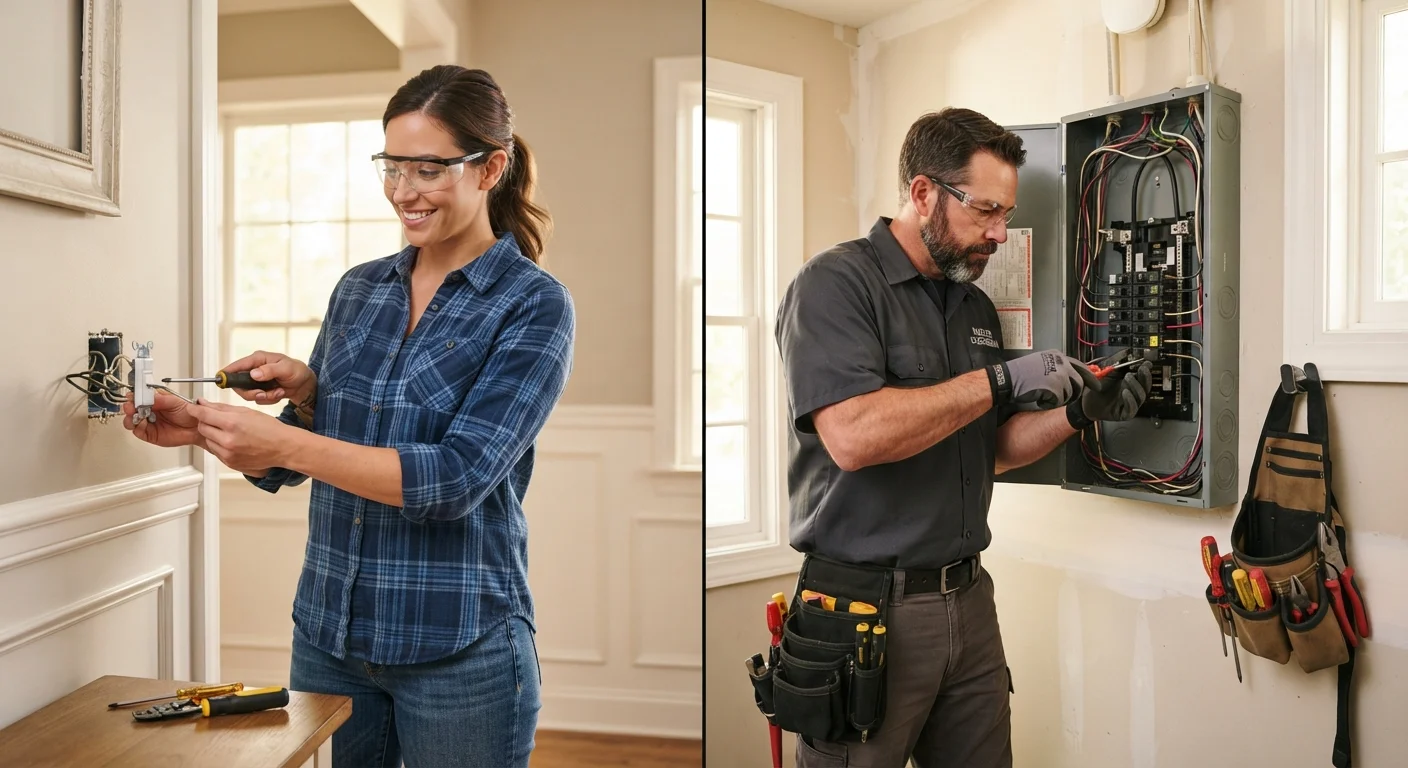
Handling routine maintenance yourself saves money, builds practical knowledge, and makes you a more confident homeowner over time. Many common repairs require nothing more than a few basic tools and the patience to follow clear instructions. Before reaching for your phone to call a contractor, consider whether the task falls into a category you can safely learn.
Saves money on routine and cosmetic repairs
Labor often accounts for the majority of a repair bill. Tasks like painting, caulking, or replacing fixtures carry low material costs and require no specialized licensing.
Builds lasting home maintenance knowledge
Each completed task teaches you how your home works, making future problems easier to diagnose and less intimidating to address.
Faster turnaround on minor issues
A running toilet or a drafty window doesn't need a service appointment — you can address it the same day with the right tools and a quick tutorial.
Increases sense of ownership and confidence
Competence compounds: small wins with a caulk gun or a drain snake translate into greater comfort tackling slightly more involved projects over time.
Tasks that are generally safe for beginners include: replacing air filters, patching small drywall holes, caulking around tubs and windows, touching up paint, fixing a running toilet (replacing the flapper valve), and basic landscaping or gutter cleaning. If you're just getting started, our basic toolkit guide explains which tools handle the majority of these repairs.
The Real Risks of Overreaching
DIY has limits, and pushing past them can lead to outcomes far more expensive — and dangerous — than the original problem. The most serious risks cluster around four categories: electrical systems, gas lines, structural components, and plumbing that connects to the main supply.
Electrical and gas work carries serious injury risk
Mistakes with wiring or gas connections can cause fires, explosions, or fatal shocks. These systems require licensed professionals in virtually every US jurisdiction.
Unpermitted work creates legal and financial exposure
Work done without required permits can result in fines, forced removal of the work, and complications during a home sale or insurance claim.
Incorrect repairs can worsen the original problem
A misdiagnosed plumbing issue or improperly patched roof can cause water damage that spreads over months before becoming visible — driving up the eventual repair cost.
Tool and material costs can exceed professional quotes
Specialized tools for a one-time repair may cost more to purchase than the labor to hire someone who already owns them.
Structural changes require engineering knowledge
Removing or modifying walls — especially load-bearing ones — without professional assessment risks compromising the structural integrity of the home.
Beyond physical safety, there's a regulatory dimension. Many jurisdictions require permits for electrical, plumbing, and structural work. Completing that work without one can create complications when you sell the home or file an insurance claim. Knowing how to shut off your water supply in an emergency is a smart first step — but replacing supply lines or moving fixtures is a job for a licensed plumber.
Permits Protect You, Not Just Inspectors
A building permit creates an official record that work was done to code and inspected. That documentation matters when you sell — buyers' home inspectors can flag unpermitted additions or modifications, which can delay or derail a sale. If you're buying a home and want to understand what a thorough inspection covers, see our article on what home inspections cover. When in doubt about whether a project needs a permit, call your local building department — it's a free call.
A Practical Framework for Deciding
When you're standing in front of a problem and not sure which way to go, run through these questions:
- Is there a safety risk if this goes wrong? Electrical shock, gas leaks, or structural failure are not recoverable mistakes.
- Does this require a permit in my area? Check with your local building department before starting any significant project.
- Do I have the tools and skill to complete this properly — not just start it? Half-finished work often causes more damage than the original issue.
- Will a DIY attempt void a warranty or insurance policy? Some appliance warranties require professional servicing.
~35%
DIY projects that result in a follow-up professional repair
Industry estimates from home services research suggest roughly a third of DIY repair attempts require professional correction, often at greater cost than the original job.
3 categories
Work types almost always requiring a licensed professional
Electrical panel and wiring work, gas line installation or repair, and load-bearing structural modifications consistently require licensed contractors across most US states.
If the answer to any of the first two questions is yes, default to a professional. The same logic applies in other areas of home life — knowing the DIY boundary for car maintenance follows a nearly identical framework.
If you're renting rather than owning, your landlord is typically responsible for repairs that affect habitability. Brush up on your rights with our renting basics hub before investing in repairs that may not be your responsibility.