

Why Weatherproofing Advice Goes Wrong
Every autumn, home improvement aisles fill up with foam tape, window kits, and door sweeps — and social media fills up with tips that range from genuinely useful to quietly expensive. For first-time renters and new homeowners, it can be hard to tell the difference until you've already wasted a Saturday and a pile of money.
The problem isn't that these products don't work. Many do — under specific conditions. The problem is that well-intentioned but imprecise advice skips the conditions entirely. Understanding what weatherproofing can and can't do is the first step to spending wisely on it. For a broader foundation, see what every new homeowner should know about home maintenance.
Myth
Plastic film on windows is just a gimmick — it doesn't actually keep heat in.
Fact
When applied properly to single-pane or older double-pane windows, plastic film can measurably reduce heat loss by creating a still-air buffer.
Window film kits work on the same principle as double glazing: trapped air is a poor conductor of heat. Applied wrinkle-free and sealed tightly at all edges, they do reduce drafts and condensation on cold glass. The key word is properly. A film with gaps or bubbles loses most of its benefit. They work best on windows that are already in reasonable condition — cracked frames or broken seals need real repair first. See when caulking actually matters before reaching for film.
Myth
Stuffing foam tape into every gap and crack will eliminate drafts.
Fact
Foam tape seals compression gaps — like around a door that closes against a frame — but is the wrong tool for rigid cracks, holes, or irregular gaps.
Foam tape (also called weatherstripping) works when it's compressed between two moving parts, such as a door and its stop molding. It is not designed to fill gaps in walls, gaps between window trim and drywall, or holes around pipes. Forcing it into the wrong place can trap moisture, leading to mold or wood rot over time. For gaps that don't compress, caulk or backer rod plus caulk is the appropriate solution. Over-applying any sealant product is a common first-timer mistake — here's why sealant isn't a universal fix.
Myth
If a room feels cold, the windows are the problem.
Fact
Windows are a visible suspect, but attic bypasses, recessed lighting gaps, and unsealed wall penetrations often account for more heat loss than windows do.
Studies by the U.S. Department of Energy have consistently identified the attic floor and wall penetrations — where pipes, wires, and ducts pass through — as major sources of uncontrolled air movement in homes. Windows do lose heat, but in many homes they're not the primary culprit. If you've improved your windows and the room is still cold, a professional energy audit (sometimes subsidized through utility programs) can identify where your home is actually leaking air.
Myth
A door draft excluder (the tube you put at the base of the door) is all you need to stop cold air from coming in under the door.
Fact
Draft excluders only block the threshold gap. If the door's sides or top are also leaking, the excluder has little effect on overall drafts.
A door loses air at all four edges. A threshold excluder or door sweep addresses the bottom gap, which is often the largest single gap — but if the side jambs and top of the door lack proper weatherstripping, cold air continues to enter around them. The fix is to check all four edges. Compress a piece of paper in each edge when the door is closed: if you can pull it out without resistance, that edge needs weatherstripping. This takes 20 minutes to assess and often costs very little to correct.
Myth
Weatherproofing is a homeowner concern — renters don't need to bother.
Fact
Renters pay the utility bills in most leases, so drafts and poor insulation directly affect their monthly costs — making basic, reversible weatherproofing worthwhile.
In the majority of US rental arrangements, the tenant pays for heating and cooling — meaning the energy lost through a drafty door or single-pane window comes out of the renter's pocket, not the landlord's. Reversible measures (compression weatherstripping, removable window film, draft excluders) are generally low-cost and leave no permanent mark. Renters unsure of what's allowed should check their lease and speak to their landlord. For broader context on what landlords are and aren't responsible for, explore common rental myths that trip up first-timers.
Before You Spend: What Renters Need to Know First
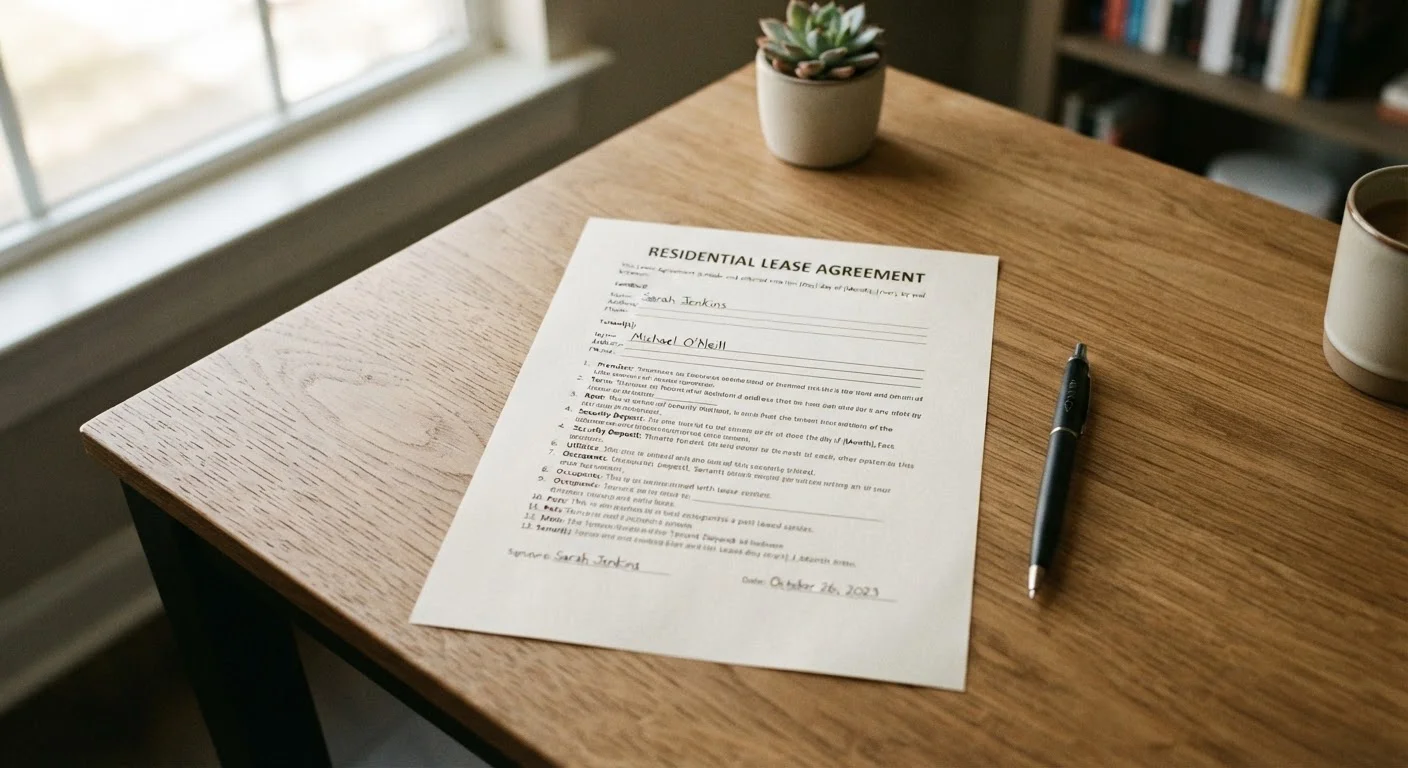
Renters face a layer of complexity that homeowners don't: your lease may restrict what you can attach, apply, or alter — even temporarily. Adhesive-backed foam tape can leave residue that landlords count against your security deposit. Plastic window film kits that use heat-shrink methods can damage certain window frames or blinds.
Check Your Lease Before Applying Anything
Adhesive products — including foam tape and window film kits — can leave residue or damage surfaces, which some landlords treat as tenant-caused damage. Always confirm in writing with your landlord before applying any weatherproofing product. Keep a copy of that approval with your tenancy records.
Before buying anything, read your lease carefully. If it's unclear, ask your landlord in writing. Many landlords are happy to approve reversible weatherproofing if it reduces their utility costs — but you need that approval documented. For more on navigating landlord relationships and your rights as a tenant, the Renting Basics hub is a good starting point.
If you discover persistent drafts, moisture intrusion, or gaps that seem structural, that's your landlord's responsibility to address — not something you should be patching yourself. Learn to read the warning signs that separate a DIY fix from a landlord issue.
25–30%
Home heat loss through windows and doors
The U.S. Department of Energy estimates that windows and doors account for roughly 25–30% of residential heating and cooling energy use.
~$200
Typical annual savings from basic air sealing
The EPA's ENERGY STAR program has cited estimates suggesting proper air sealing and insulation can reduce heating and cooling costs — individual results vary by home size, climate, and existing conditions.
This article is for general informational purposes only. For decisions about your specific lease, property, or significant home repairs, consult a qualified professional or licensed contractor.