

Why Rental Listings Are Often Incomplete
Rental listings are marketing documents first and informational documents second. Landlords and property managers craft them to generate interest, which means details that might discourage applicants — a busy street outside, dated appliances, a long waiting list for parking — are routinely omitted. First-time renters are especially vulnerable because they don't yet know which questions to ask or which absences to notice.
This isn't always bad faith. Sometimes landlords simply assume certain details are obvious, or they forget what a brand-new renter doesn't know. But the result is the same: you can spend significant time and emotional energy pursuing a unit that was never going to work for your budget or lifestyle. Learning to read a listing critically — the way you might read a contract rather than an advertisement — protects your time before you ever set foot inside.
The skills here overlap with evaluating any high-stakes decision based on limited information. If you've read our guide to inspecting a car before a test drive, you'll recognize the same principle: the goal is to surface what isn't being shown to you, not just absorb what is.
Search the Address Before You Tour
Paste the property address into a search engine along with terms like 'complaints,' 'code violations,' or 'reviews.' Many municipalities also publish housing code enforcement records online. This five-minute check can surface serious issues — mold complaints, pest infestations, or unresponsive management — before you invest time in a showing.
Before you're ready to evaluate listings at all, it helps to know your financial footing. Our breakdown of common rental myths covers the assumptions that catch first-time renters off guard once they're further in the process.
Step-by-Step: How to Evaluate a Listing Before You Tour
Never Send Money Before Seeing the Unit
Rental scams frequently involve listings with below-market prices that pressure you to pay a deposit or first month's rent before a showing. Legitimate landlords do not require payment before you have toured the unit and signed a lease. If a listing asks for wire transfers, gift cards, or payment via apps to hold a unit sight-unseen, treat it as a likely scam and report it to the platform.
Rental listing platform (Zillow, Apartments.com, etc.)
Find and compare available units in your target area.
Notepad or spreadsheet
Track listings, questions, and red flags across multiple properties for easy comparison.
Local housing code enforcement database
Look up any recorded violations or complaints against the property address.
What you will need
Decode the listing language
Marketing copy in rental listings is designed to attract attention, not necessarily to inform. Terms like "cozy" often mean small, "vintage" may signal aging appliances or original plumbing, and "steps from transit" can mean the unit is directly beside a noisy rail line. Read the description critically: note everything it emphasizes, then list what it does not mention — square footage, exact floor, storage, in-unit laundry, or pet policy. Gaps are usually intentional.
Scrutinize the photos carefully
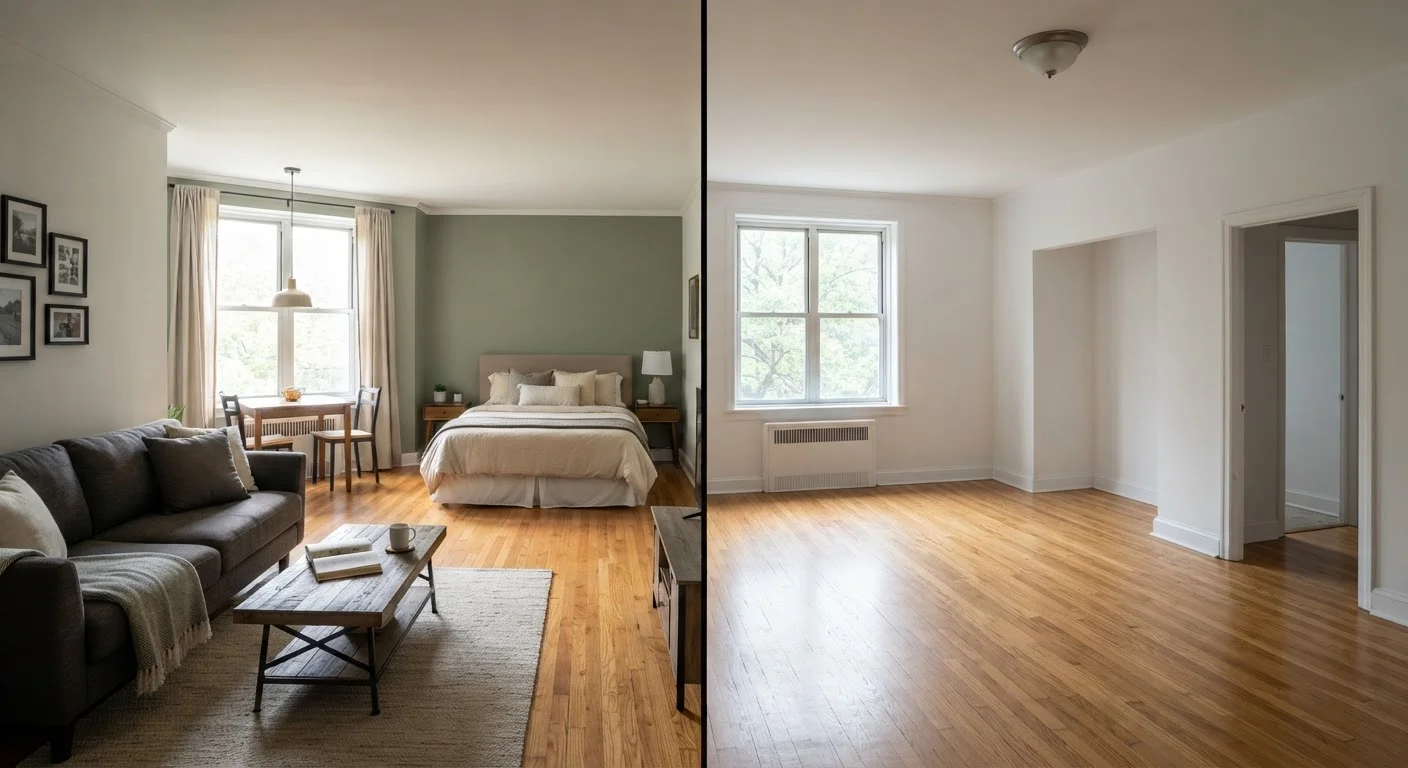
Listing photos are frequently taken with wide-angle lenses that make rooms appear significantly larger than they are. Look for these signals of selective photography: furniture pushed against walls to maximize perceived space, photos that never show a full room corner, or a conspicuous absence of shots showing the bathroom, kitchen, or windows. Count the rooms shown versus what the listing claims — missing rooms are missing for a reason. Also check photo timestamps if visible; older images may not reflect the unit's current condition.
Calculate the true monthly cost
The headline rent figure is rarely the full story. Build a complete cost estimate by asking: Which utilities does the tenant pay? Is parking included or billed separately? Are there monthly fees for amenities, trash, or building services? Is renters insurance required, and at what minimum coverage level? Add every confirmed cost to your budget before comparing listings. A unit listed at $200 less per month can easily become $100 more expensive once fees are factored in.
Research the address and landlord independently
Before contacting the landlord, spend five minutes on independent research. Search the property address on your city or county's housing code enforcement portal to check for open violations. Search the landlord's name alongside the property address to find tenant reviews or legal filings. Cross-reference the listing phone number or email to confirm it matches the management company's official contact. This step is especially important in tight rental markets where fraudulent listings can closely mimic legitimate ones.
Contact the landlord and assess their response
Send a concise, professional email or message asking your top unanswered questions from the listing. How quickly and thoroughly they respond tells you a great deal about how they handle maintenance requests and disputes as a tenant. A landlord who takes days to respond to an initial inquiry, or who answers vaguely when asked for specifics, is likely to behave the same way when your heat goes out in January. Keep a record of all communications from this first contact onward.
Prepare your questions for the showing
A listing that passes your initial checks earns a showing — but the in-person visit is where you confirm or challenge what the listing implied. Arrive with a written list of questions covering lease length and renewal terms, move-in costs required upfront, rules about guests and alterations, and how disputes are handled. Check the unit itself: run taps to test water pressure, look under sinks for signs of past leaks, check window seals, and test every light switch. The showing is your best opportunity to gather facts you can't get from a screen.
"All Utilities Included" Needs Verification
This phrase appears frequently but almost always has exceptions — trash removal, internet, or parking may not be covered. Ask the landlord to list every utility and service included in writing. Assumptions about inclusions are one of the most common causes of budget surprises for first-time renters.
Once you've completed these steps and a unit still looks promising, you're in a strong position to tour with intention. For everything that happens after the showing, including what to review in the lease itself, see our broader resources in questions worth asking a landlord before you sign anything.
This article provides general educational information about evaluating rental listings. It is not legal or financial advice. Rental laws and landlord obligations vary by state and locality. Consult a local tenant rights organization or licensed attorney if you have questions about your specific situation.