
Why the Walk-Around Matters More Than the Test Drive
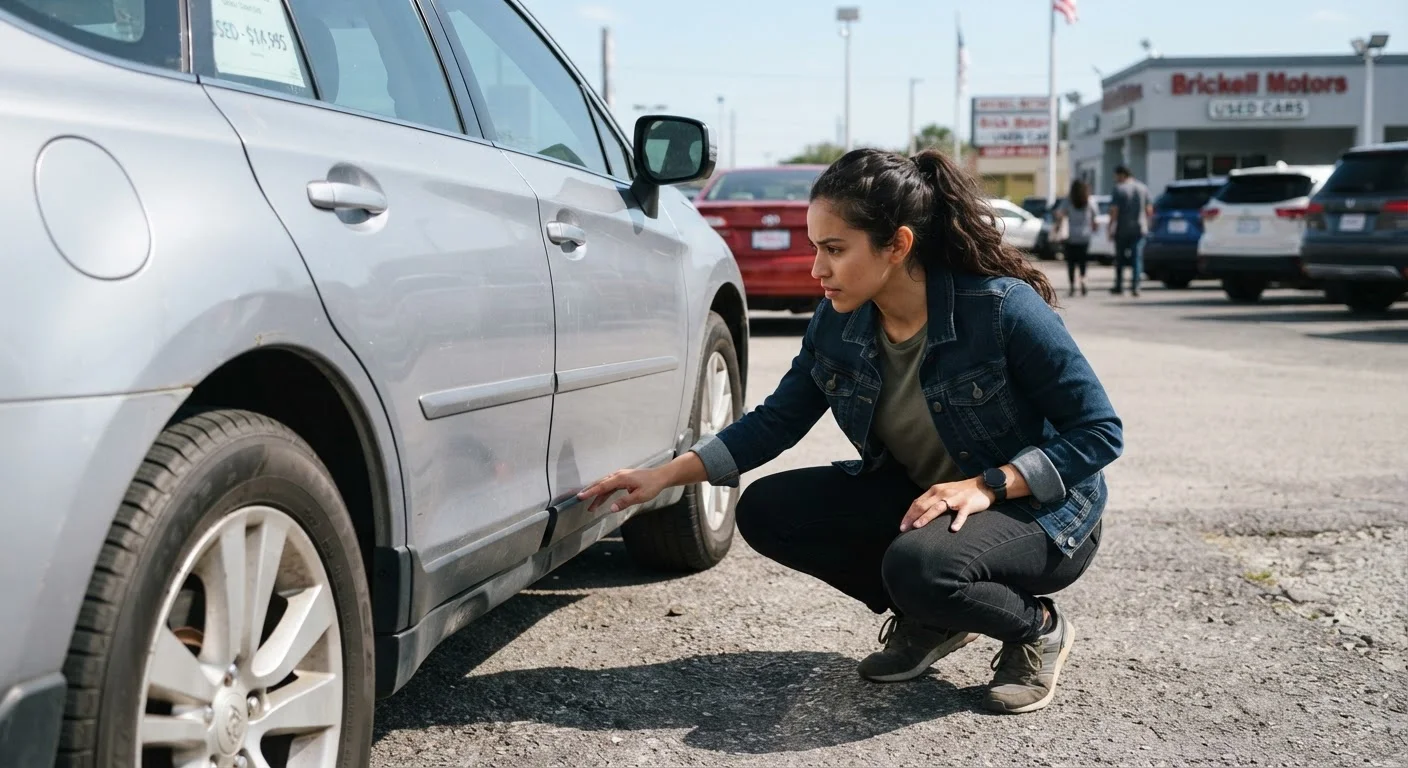
Most first-time buyers are eager to get behind the wheel, but the five minutes you spend walking around the car before you drive it can be just as revealing. Sellers and dealerships know that excitement clouds judgment, so go in with a plan.
This checklist covers what to look for outside the car, inside the cabin, and during the actual drive. Use it on every car you consider - whether you're at a dealership, buying from a private seller, or comparing multiple vehicles on the same afternoon.
For used cars especially, pair this checklist with a professional pre-purchase inspection. See what a pre-purchase vehicle inspection actually covers for a breakdown of what a mechanic examines and when to walk away.
Exterior Inspection
Under the Hood
Interior and Controls
During the Test Drive
Tools and Resources You'll Want on Hand
You don't need to be a mechanic to run through this checklist, but a few simple items will help you see and document what matters.
Flashlight or smartphone torch
Helps you see into wheel wells, under the hood, and beneath the car where lighting is poor.
Vehicle history report service (e.g., CARFAX or AutoCheck)
Provides records of accidents, title issues, and odometer readings for any used vehicle by VIN.
Tire tread depth gauge
Gives a precise measurement of remaining tread so you know whether replacement is imminent.
OBD-II scanner (or a mechanic who has one)
Reads stored trouble codes from the car's computer, surfacing issues that haven't yet triggered a warning light.
One resource that's easy to overlook: run a vehicle history report using the VIN (Vehicle Identification Number) before you even schedule the visit. It can surface accident records, odometer discrepancies, and title issues that no walk-around will reveal.
Don't Skip the VIN Check on a Used Car
A seller who refuses to provide the VIN or discourages you from running a history report is a significant warning sign. A clean-looking car can have a salvage title or rolled-back odometer that only a report will reveal. The VIN is typically visible on the driver's side dashboard near the windshield and on the door jamb sticker - verify that both match before proceeding.
During the Drive: What to Listen and Feel For
The test drive is your chance to stress-test everything the visual inspection can't reveal. Drive on a mix of road types if possible - residential streets, a highway on-ramp, and a bumpy surface. Request at least 15-20 minutes; anything shorter won't give you a complete picture.
Pay attention to sounds in particular. Squealing when you brake, clunking over bumps, or a whining noise during acceleration all mean something specific. Our guide on sounds your car makes and what they mean is a useful companion reference.
Also watch the dashboard. If a warning light flickers or stays on during the drive, don't dismiss it. Your car's warning lights, decoded explains what each symbol signals and how urgent it typically is.
Never Buy a Used Car Without a Mechanic's Inspection
This checklist helps you identify obvious red flags, but it is not a substitute for a professional pre-purchase inspection. A qualified mechanic can put the car on a lift, check the brake system, assess the frame for hidden damage, and read diagnostic codes you won't see otherwise. The cost of an inspection - typically $100-$200 - is a small price compared to inheriting a major mechanical problem.
This article provides general educational information for car shoppers. It is not a substitute for a professional mechanical inspection, and no checklist can guarantee a vehicle is free of defects. Always consult a qualified mechanic before purchasing a used vehicle.