
What CPO Actually Means - and What It Doesn't
When a dealership advertises a car as "certified pre-owned," it sounds reassuring. But the label alone tells you very little about the quality of the vehicle or the strength of the protection you're getting. CPO is a category with a wide spectrum, not a single standard.
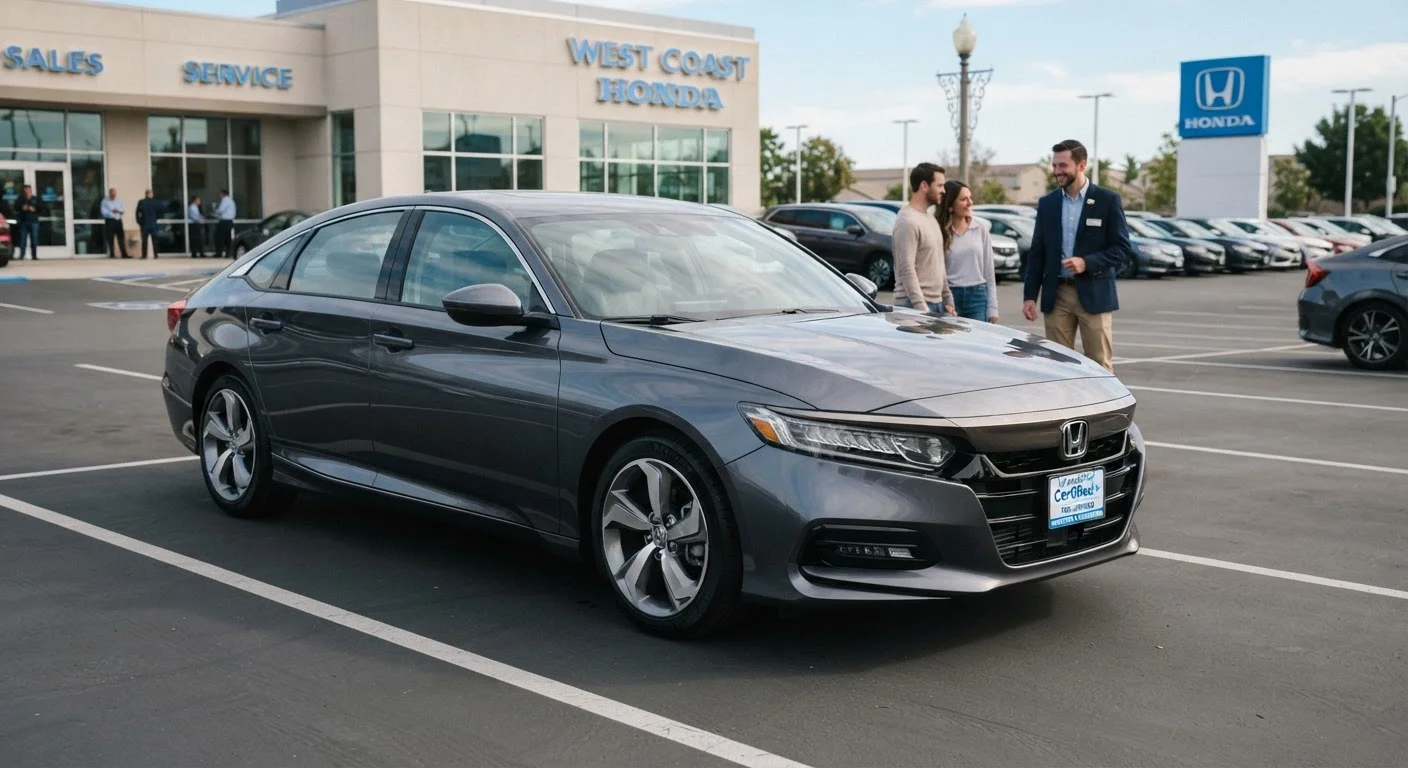
At its best, a manufacturer-backed CPO programme means the automaker has set minimum criteria - age, mileage, condition - that a vehicle must meet before it qualifies. A trained technician inspects the car against a published checklist, often covering 100-200 points across mechanical, safety, and cosmetic areas. The manufacturer then backs the vehicle with its own limited warranty, sometimes extending the original coverage.
At its weakest, a "certified" label can mean a dealership has run its own internal checklist and attached a warranty it wrote itself. There's no independent oversight of dealer-certified programmes, and terms can vary dramatically from one lot to the next.
CPO Programmes Have No Single Federal Standard
Neither type of CPO programme is regulated by a single federal standard. The Federal Trade Commission requires that dealers accurately represent what a certification covers, but the content of that certification is largely set by whoever runs the programme. Always ask which type of CPO programme applies - manufacturer or dealer - before you go further in the buying process.
Neither type of CPO programme is regulated by a single federal standard. The Federal Trade Commission requires that dealers accurately represent what a certification covers, but the content of that certification is largely set by whoever runs the programme. Always ask which type of CPO programme applies before you go further.
The Typical CPO Inspection: What Gets Checked
Manufacturer CPO inspections generally follow a published multi-point checklist. While specifics differ by brand, most cover:
- Powertrain: Engine performance, transmission function, drivetrain condition
- Safety systems: Brakes, airbags, tire tread depth, lights, and seatbelts
- Exterior and interior: Body panel condition, glass, upholstery, and electronics
- Fluid levels and filters: Oil, coolant, brake fluid, and other service items
If the vehicle fails any required point, it either gets reconditioned before certification or is removed from the programme. That reconditioning cost is typically reflected in the higher price tag.
What the inspection does not guarantee is a clean bill of health for the vehicle's full remaining life. Inspections are a snapshot - they confirm the car met a threshold on a specific day. For a deeper look at what an independent mechanic examines and why it matters, see what a pre-purchase inspection covers.
Always Request the Written Inspection Report
A trustworthy CPO programme should be able to show you the completed inspection checklist for the specific vehicle you're considering - not just a general description of the programme. If a dealer can't or won't produce it, that's worth noting. Reviewing the actual report helps you see what was checked, what was reconditioned, and what, if anything, was noted as acceptable-but-imperfect.
The CPO Premium: Is It Worth Paying More?
CPO vehicles typically cost more than comparable non-certified used cars. That premium funds the inspection process, any reconditioning work, and the warranty coverage that comes with the vehicle. Whether the extra cost makes sense depends on your situation.
~$1,000-$3,500
Typical CPO premium over non-certified used cars
Industry analysts generally estimate CPO vehicles carry a price premium in this range over comparable non-certified used vehicles, though the actual difference varies by make, model, and market conditions.
100-200+
Inspection points in manufacturer CPO programmes
Most major automakers publish multi-point inspection checklists for their CPO programmes; the number of items inspected varies by brand but commonly falls in this range.
The warranty is the main thing you're paying for beyond the car itself. A manufacturer-backed powertrain warranty that extends coverage by two or three years has real value - especially on vehicles where major repairs are expensive. But if the CPO warranty duplicates coverage the car's original factory warranty still provides, you may be paying for something you already have.
For context on how CPO fits within the broader new-versus-used decision, comparing new and used car trade-offs can help you think through where CPO sits on that spectrum.
Some practical questions to ask before accepting a CPO premium:
- Is this a manufacturer or dealer CPO programme?
- What specific components does the warranty cover, and for how long?
- What is excluded - and are those exclusions things likely to need repair on this model?
- Does the car still carry any of its original factory warranty?
- Can I see the actual inspection checklist that was completed?
This article is for general informational purposes only and does not constitute financial, legal, or professional automotive advice. Terms, coverage, and programme details vary by manufacturer, dealership, and individual vehicle. Always review written documentation and consult a qualified professional for decisions specific to your situation.