
What You're Actually Choosing Between
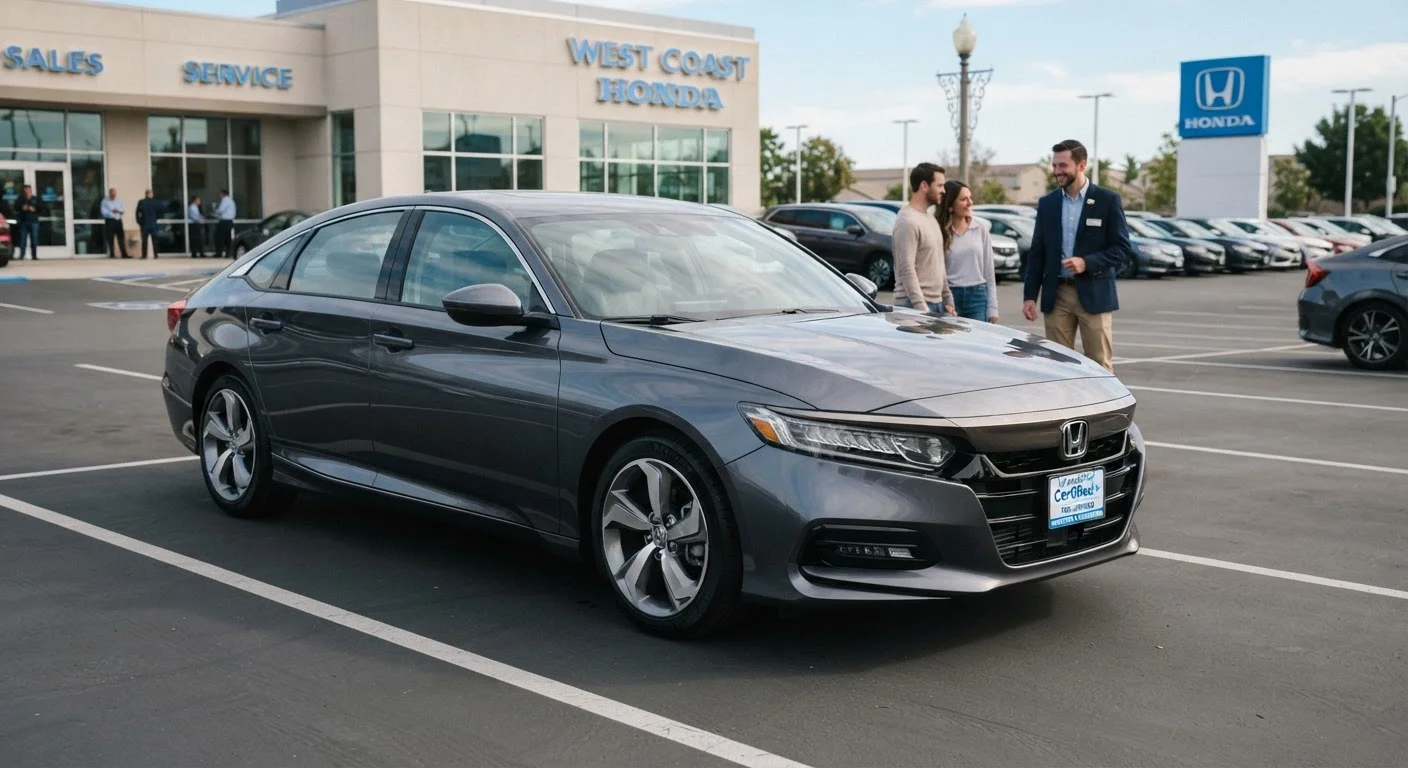
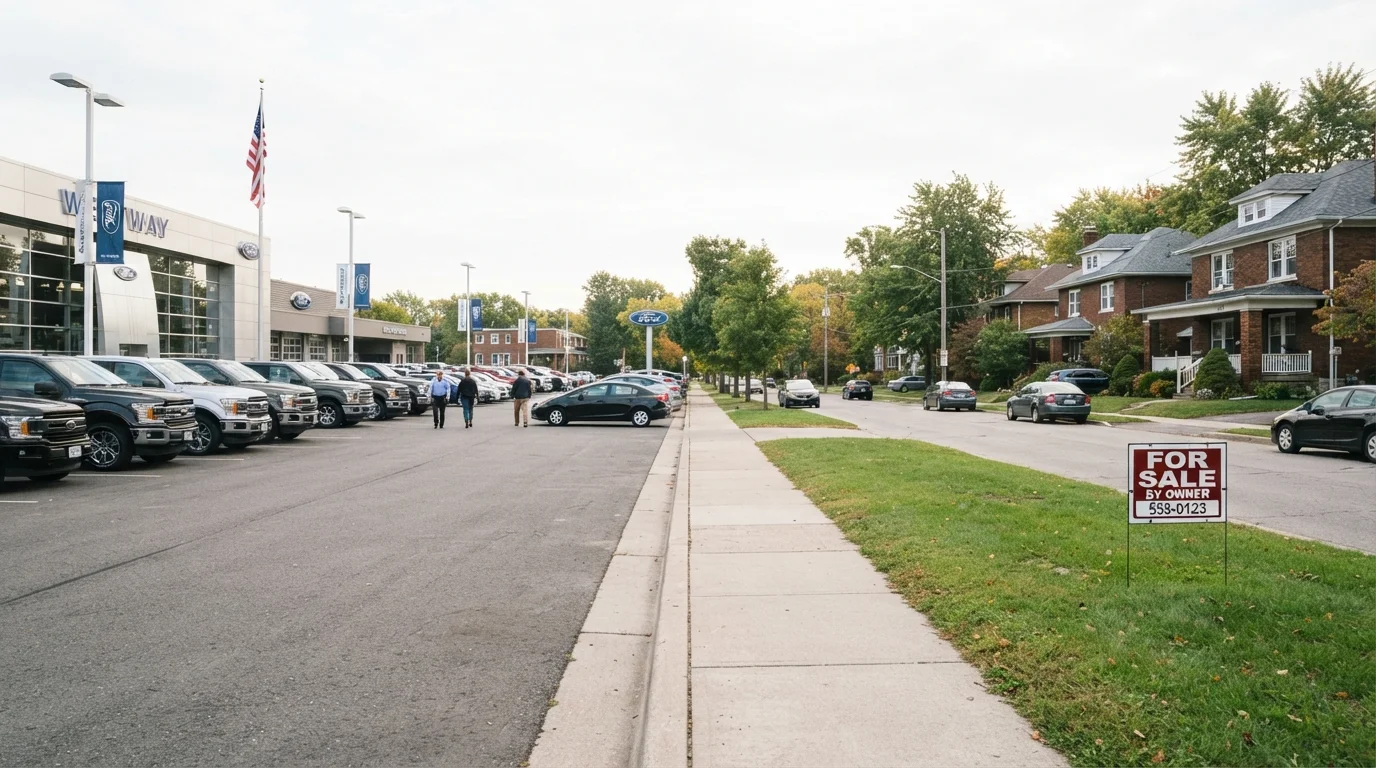
When you buy from a dealership - whether a franchised new-car dealer or an independent used-car lot - you're transacting with a licensed business regulated by your state. When you buy from a private seller, you're dealing with an individual, typically through platforms like Craigslist, Facebook Marketplace, or Autotrader's private listings. Both can get you into a reliable vehicle, but the experience, paperwork, and protections look very different.
If you're still working through the broader process, our comprehensive first-car walkthrough covers every stage from budgeting to driving off. This article focuses specifically on who you're buying from - and what that means for you.
| Dealership | Private Seller | |
|---|---|---|
| Consumer protections | FTC Used Car Rule applies; state licensing required | No regulatory disclosure requirements |
| Typical price | Higher - overhead and reconditioning factored in | Often lower - no business margins |
| Warranty availability | Possible - certified pre-owned or limited dealer warranty | Rare - almost always sold as-is |
| Financing options | Arranged on-site through dealer or lender network | Must arrange independently before purchase |
| Paperwork handling | Dealer manages title transfer and tax documentation | Buyer and seller handle DMV transfer directly |
| Vehicle inspection | Dealer may offer inspection records; ask for them | Independent mechanic inspection strongly advised |
| Negotiation dynamic | Structured; room to negotiate with preparation | Flexible; often more direct price negotiation |
The Case for Buying from a Dealership
Dealerships are required to follow federal and state consumer protection laws. Under the FTC's Used Car Rule, dealers must display a Buyers Guide on every used vehicle disclosing whether the car comes with a warranty or is sold as-is. That piece of paper is legally significant - it becomes part of your contract.
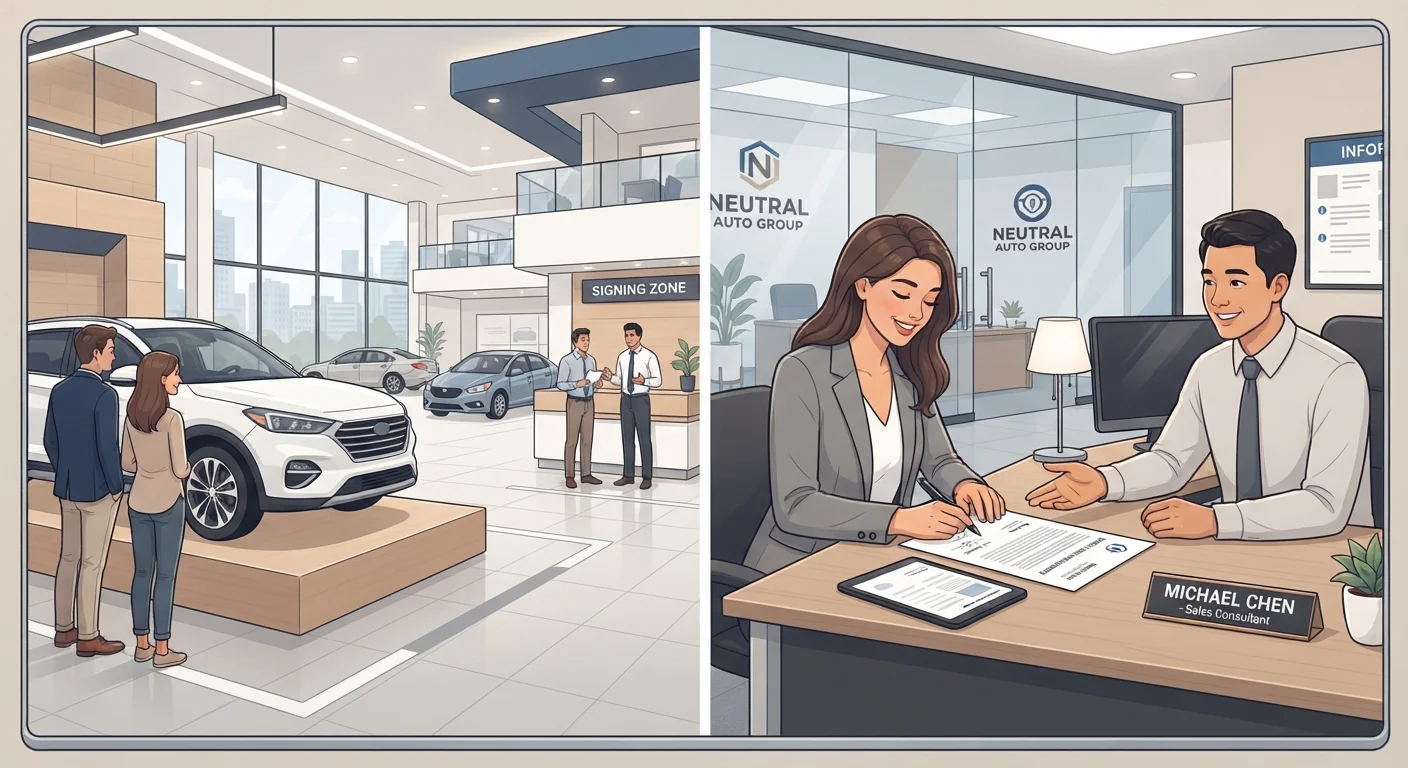
Dealers also handle all the title transfer, registration paperwork, and sales tax documentation on your behalf, which reduces the chance of costly errors. If you need financing, dealerships can arrange loans directly - though it's worth understanding how that compares to arranging your own. See our guide on financing through a dealership vs. your own bank for a clear breakdown.
Always Get an Independent Inspection
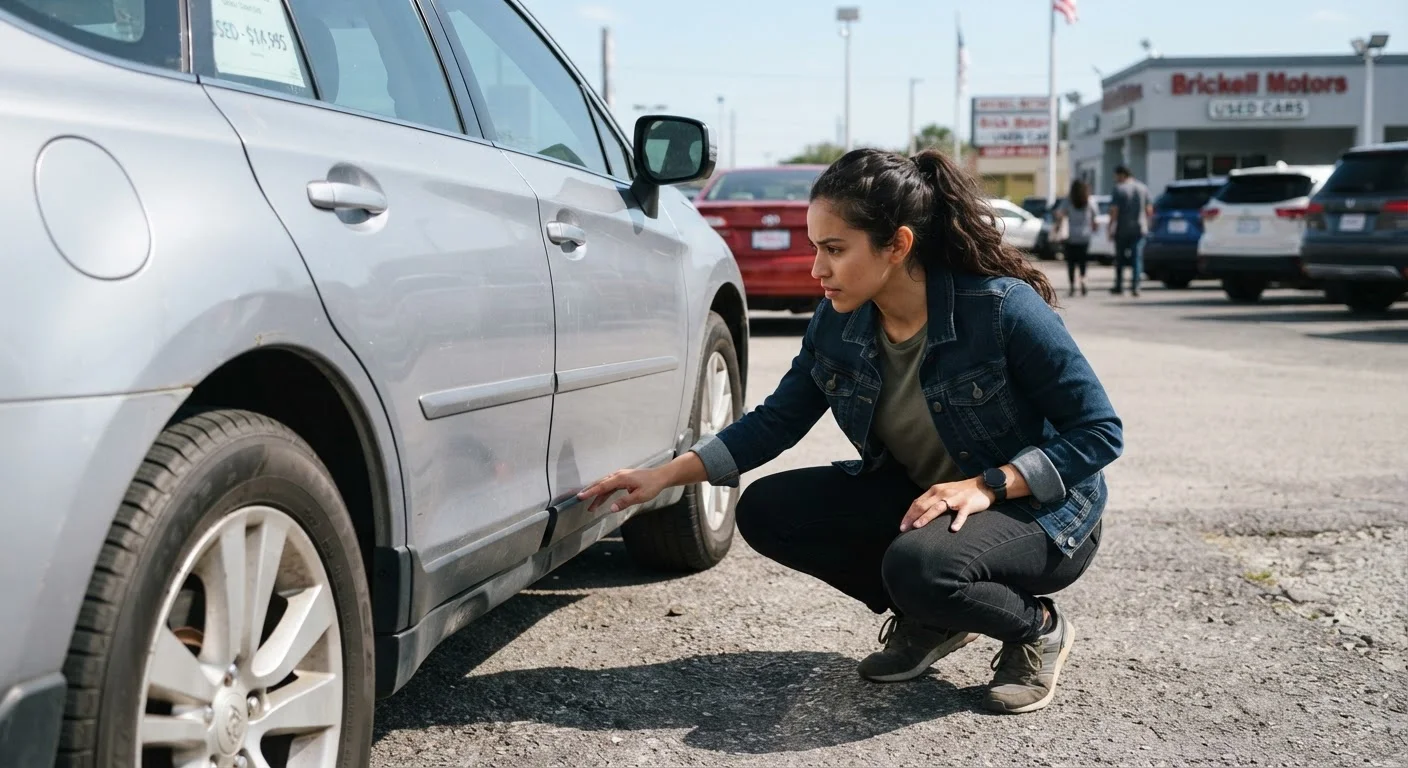
Before finalizing any used-car purchase - dealership or private - pay an independent mechanic (one not affiliated with the seller) to inspect the vehicle. This typically costs $100-$200 and can reveal hidden mechanical issues that aren't visible during a test drive. A seller who refuses an inspection is itself a useful piece of information.
One common misconception: the sticker price at a dealership isn't fixed. Our article on negotiating at a dealership explains what's actually on the table.
The Case for Buying from a Private Seller
Private sellers typically price vehicles below dealership rates because they aren't covering overhead, reconditioning costs, or profit margins. For a buyer who knows what to look for, that gap can represent real savings - sometimes thousands of dollars on comparable vehicles.
The trade-off is that private sales are almost always as-is. There's no warranty, no regulatory disclosure requirement, and no financing arranged on the spot. You wire money (or hand over a cashier's check), sign a bill of sale, and handle the title transfer yourself at your state's DMV.
Watch Out for Common Private Sale Scams
Private sale fraud is real. Be cautious of sellers who won't meet in person, ask for payment via wire transfer or gift card, or claim to be selling on behalf of a deployed military member or missionary abroad. Always meet in a safe, public location, and never hand over payment before you have the signed title in hand and have verified the VIN matches all documents.
Private sales can also be faster and simpler when both parties are prepared. If you've already secured financing through your bank or credit union, you arrive with a clear budget and no pressure to accept dealer-arranged loan terms.
Paperwork and Title: What to Watch For
Regardless of where you buy, the title is the most critical document. It proves legal ownership. At a dealership, staff will typically handle the transfer and mail you the new title within a few weeks. In a private sale, you must confirm the seller's name matches the title, that there's no lien noted (or that the lien is paid off), and then submit the transfer paperwork to your state DMV yourself.
Run a vehicle history report (services like Carfax or AutoCheck provide these) on any used car - dealership or private - to check for reported accidents, odometer discrepancies, or title issues like salvage branding. This step costs a small fee and can prevent a much larger problem.
Also account for costs you might not have budgeted for. Our article on overlooked budgeting costs covers registration fees, insurance, and other expenses that show up after the sale.
This article is for general informational and educational purposes only. It does not constitute legal, financial, or consumer advice tailored to your specific situation. Regulations governing vehicle sales vary by state. Consult your state DMV or a qualified professional for guidance on your circumstances.