
Where the Price Gap Actually Comes From
The sticker price difference between new and used can look dramatic, but understanding why that gap exists helps you evaluate what you're actually paying for. New cars carry the full retail markup, destination charges, and dealer fees. The moment a new car is driven off the lot, it typically loses a noticeable portion of its market value - a process called depreciation. Industry data consistently shows new vehicles can lose roughly 15-20% of their value in the first year alone, though the exact figure varies by make, model, and market conditions.
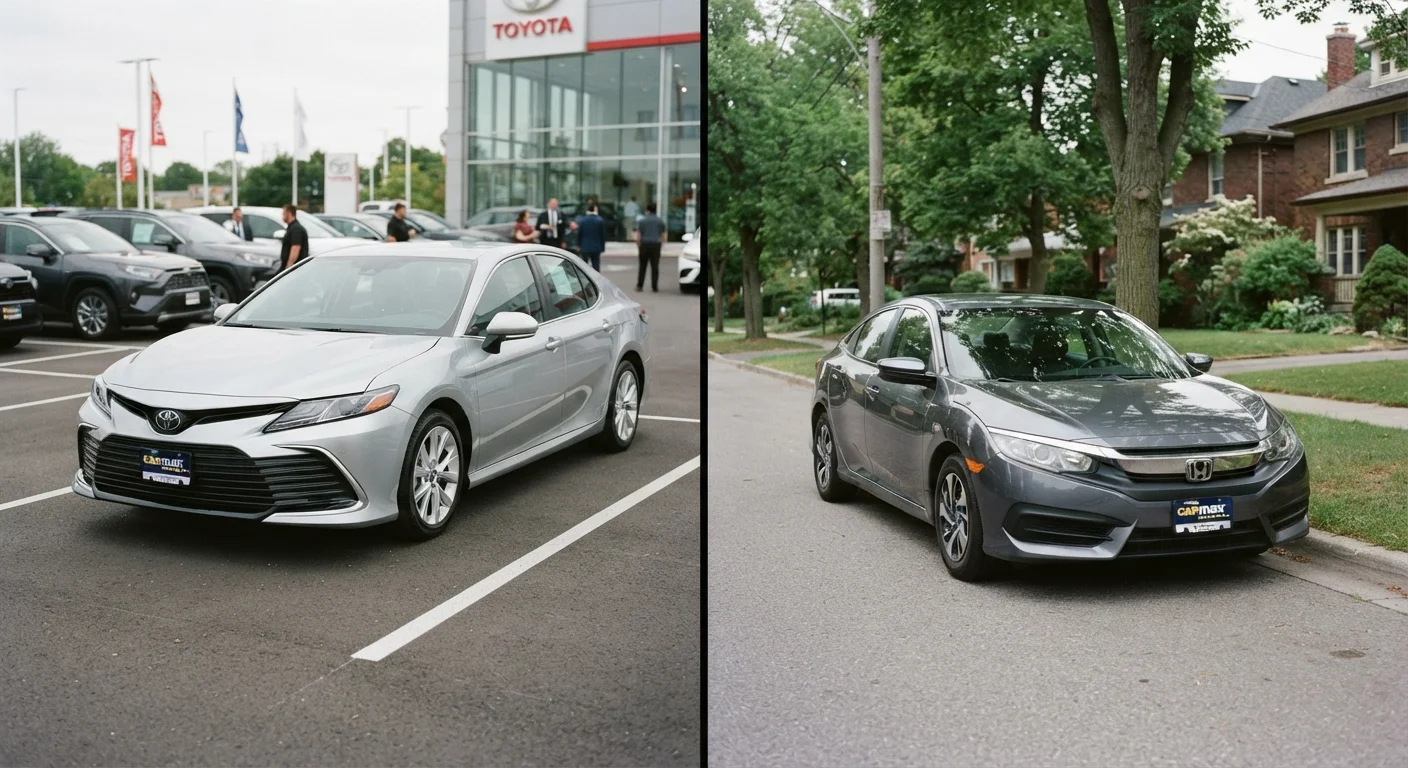
A used car buyer sidesteps that initial plunge. Someone else absorbed the steepest part of the depreciation curve, leaving you to buy in at a lower point. That's not a flaw in used cars - it's how vehicle markets work. The practical result: you can often get a more feature-rich or larger vehicle used than you could afford new for the same monthly budget.
That said, price isn't the whole picture. As our guide on costs first-time buyers overlook explains, registration fees, insurance premiums, and fuel costs can shift the comparison significantly once you run the full numbers.
| Criterion | New Car | Used Car |
|---|---|---|
| Purchase Price | Higher sticker price | Lower entry cost |
| Depreciation Exposure | Steepest in year one | Prior owner absorbed early drop |
| Warranty Coverage | Full manufacturer warranty | Partial, expired, or none |
| Vehicle History | Starts clean - zero prior use | Unknown unless records provided |
| Loan Interest Rates | Typically lower rates | Often higher rates |
| Insurance Cost | Generally higher premiums | Often lower premiums |
| Safety Technology | Latest available standards | Varies by model year |
| Customization Options | Configure trim and features | Buy what's available |
Warranties, Reliability, and the Unknown History Problem
One of the clearest advantages of buying new is warranty coverage. Most new vehicles come with a bumper-to-bumper warranty (commonly 3 years or 36,000 miles) and a powertrain warranty covering the engine and transmission for longer - often 5 years or 60,000 miles. During that window, most major repair costs fall to the manufacturer, not you.
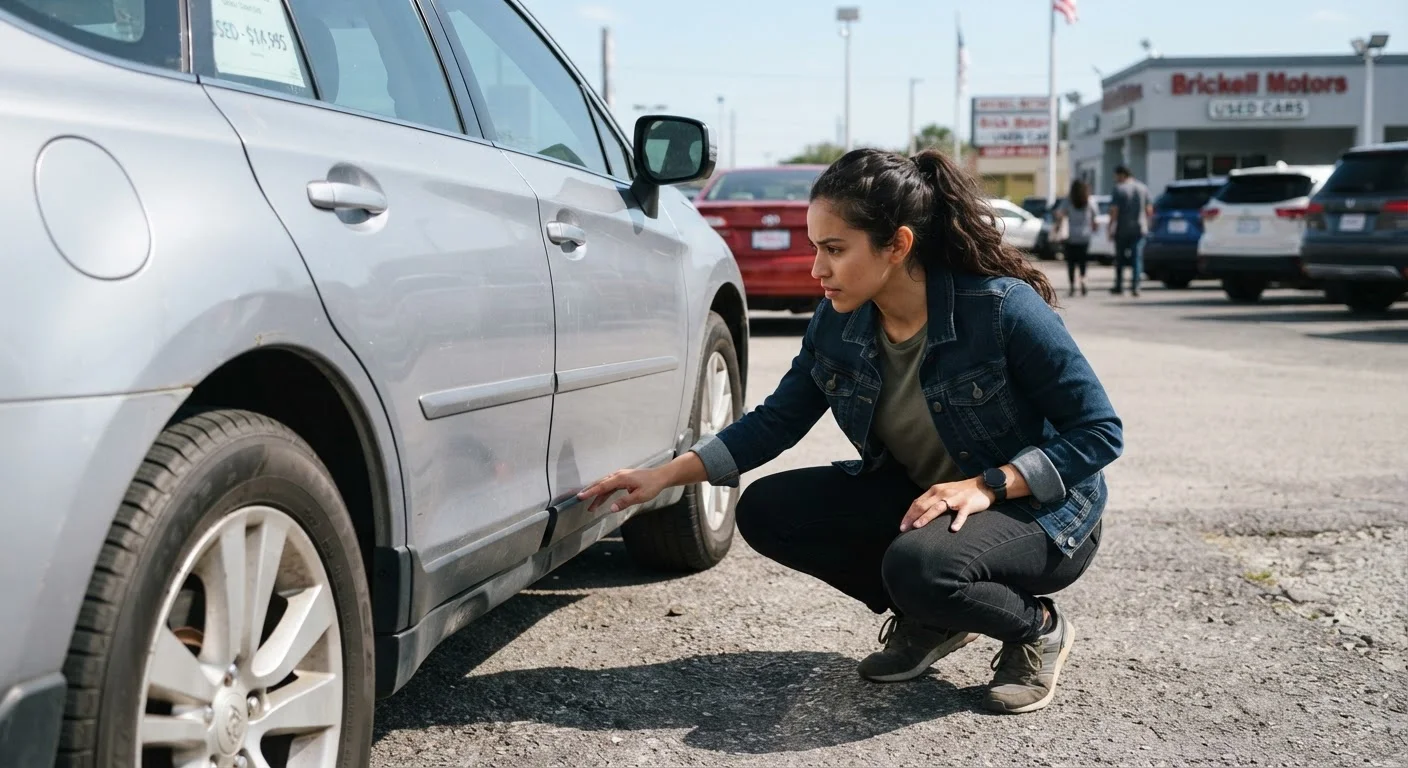
Used cars tell a different story. Depending on the vehicle's age and mileage, the original warranty may have expired entirely. Even if some coverage remains, you're inheriting an unknown maintenance history unless you can verify service records. A pre-purchase inspection by an independent, licensed mechanic is one of the most valuable steps you can take before buying any used vehicle - it surfaces problems a test drive won't reveal.
Certified Pre-Owned (CPO) programs attempt to close this gap by applying a manufacturer inspection process and extending limited warranty coverage to qualifying used vehicles. However, CPO terms vary considerably by brand and dealer. Our article on what CPO certification actually guarantees walks through what to look for in those programs before assuming they match new-car coverage.
What a Pre-Purchase Inspection Covers
An independent pre-purchase inspection (PPI) is conducted by a mechanic of your choosing - not the seller's. A thorough PPI typically examines the engine, transmission, brakes, suspension, tires, and body for signs of prior damage or wear. It usually costs between $100 and $200 and can surface issues that save you far more. Always arrange this inspection before finalizing any used vehicle purchase.
Financing, Insurance, and the True Monthly Cost
Lenders typically offer lower interest rates on new car loans than used car loans - in part because new vehicles are easier to value and carry less risk as collateral. A lower rate on a higher principal can sometimes result in a monthly payment comparable to a used car financed at a higher rate on a lower balance. Run the actual numbers for each scenario rather than assuming the cheaper car is automatically the cheaper loan.
Insurance is another lever. New cars often cost more to insure because their replacement value is higher. Comprehensive and collision coverage - which most lenders require when the car is financed - will be priced based on that value. An older used car may qualify for a lower coverage threshold, though that depends on your lender's requirements and the vehicle's current market value. For a broader look at how coverage decisions interact with your car-buying choice, the car insurance overview is a useful starting point.
The most useful framework is total cost of ownership: add up expected loan payments, insurance premiums, estimated fuel costs, registration, and a reasonable maintenance reserve. That full number - not the sticker price - is what you'll actually live with each month. Our first car purchase walkthrough includes a budgeting framework to help you structure that calculation before you set foot on a lot.
~20%
Typical first-year depreciation for a new vehicle
Industry analysts and consumer finance sources commonly cite the first year as the steepest period of value loss for new cars.
3 yrs / 36k mi
Common new-car bumper-to-bumper warranty baseline
Many major manufacturers offer at least a 3-year or 36,000-mile bumper-to-bumper warranty, though terms vary by brand and model.
~$12,000+
Average price gap between new and used vehicles
Market data from sources such as Cox Automotive and the National Automobile Dealers Association periodically report significant average price differentials between new and used vehicle segments.
Making the Call: Questions to Ask Yourself First
Neither choice is objectively better - both are reasonable depending on your circumstances. Before deciding, work through these questions honestly:
- What's my realistic monthly budget? Include all ownership costs, not just the loan payment.
- How long do I plan to keep this vehicle? Longer ownership timelines favor new cars, where upfront depreciation gets spread over more years of use.
- How important is predictability? New cars offer more cost predictability early on; used cars may require a financial cushion for repairs.
- Do I have access to a trusted mechanic? If so, a used car with a solid inspection can be a lower-risk proposition than it might seem.
- Is this my only vehicle? If you depend on it entirely, warranty coverage and reliability history take on more weight.
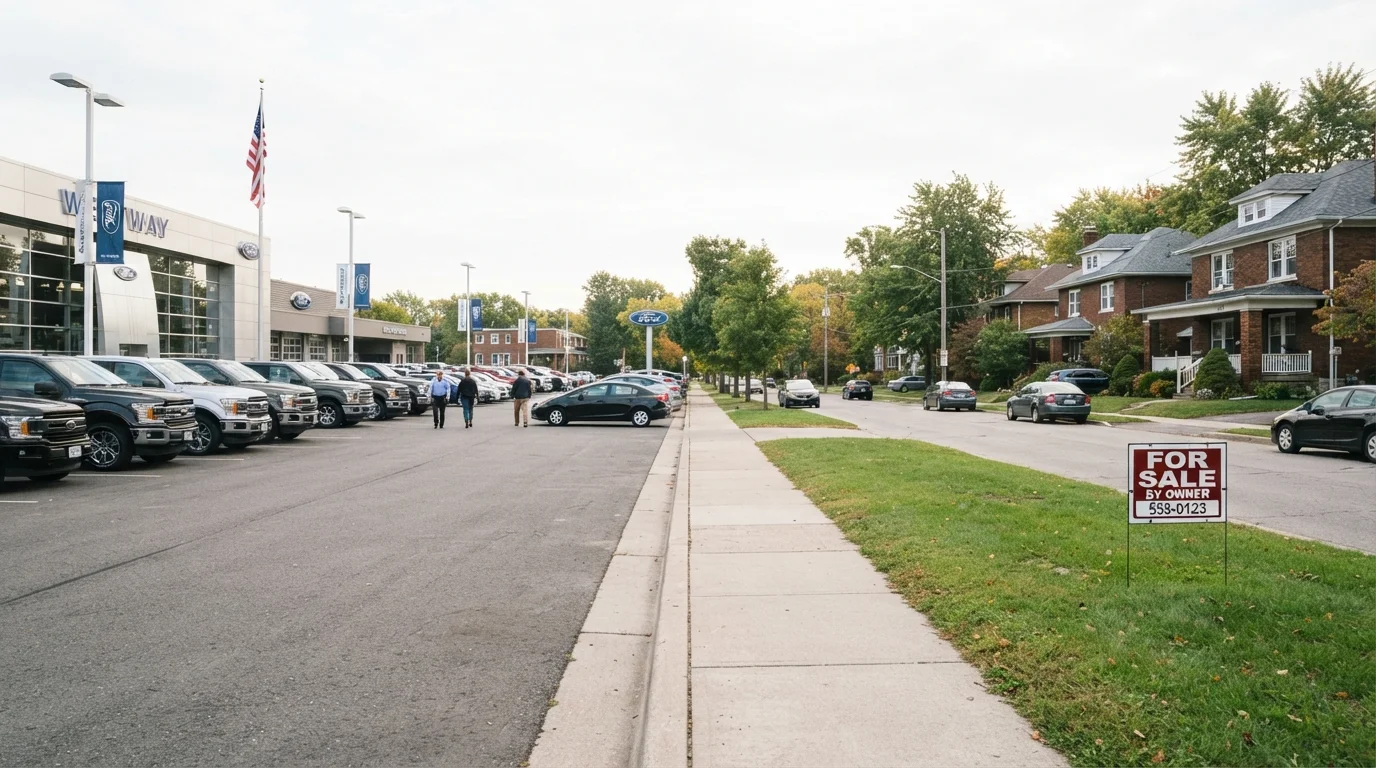
Once you've answered those, the choice often becomes clearer. If you're still weighing where to shop once you've settled on new or used, buying from a dealership vs. a private seller covers the trade-offs in each purchasing channel. And if you want to arrive prepared, smart habits for the weeks before you buy outlines what experienced buyers do before they ever walk into a negotiation.
This article is for general informational purposes only and does not constitute financial or legal advice. Loan terms, insurance rates, and vehicle values vary by individual circumstances, lender, and market conditions. Consult a licensed financial professional for guidance specific to your situation.