
Why a PPI Exists - and Why It Matters
When you buy a used car, you're inheriting whatever happened to it before you arrived. A seller's description - even an honest one - can't tell you whether the engine mounts are cracking or the brake calipers are seizing. A pre-purchase inspection puts a trained, disinterested mechanic between you and a potentially expensive mistake.
Think of it as due diligence. Just as a home inspection helps buyers understand what they're committing to, a PPI gives you a clear-eyed look at the vehicle before any money changes hands. Pairing it with a vehicle history report gives you both the car's past and its present condition.
$100-$200
Typical cost of a pre-purchase inspection
Most independent mechanics charge within this range for a standard PPI, though complex or specialty vehicles may cost more.
~77%
Used car sales that are private or independent dealer
According to industry estimates, a significant share of used car transactions happen outside franchised dealerships - where buyer protections are typically lower.
What a Mechanic Actually Examines
A standard PPI covers most of the systems you'd need to repair if something went wrong shortly after purchase. Here's what a thorough inspection typically includes:
- Engine and drivetrain: The mechanic checks for fluid leaks, unusual wear, belt and hose condition, and signs of overheating or previous engine work. They'll also look for smoke or odd odors under load.
- Transmission: Both automatic and manual transmissions are assessed for smooth shifting, fluid condition, and any slipping or hesitation.
- Brakes: Pad thickness, rotor condition, brake lines, and caliper function are all checked. Worn brakes are common - and negotiable. Corroded brake lines are a bigger concern.
- Suspension and steering: Ball joints, tie rods, shocks, and struts are inspected for wear or damage. These affect handling and safety directly.
- Tires: Tread depth and wear pattern matter. Uneven wear can signal alignment or suspension problems beyond just needing new tires.
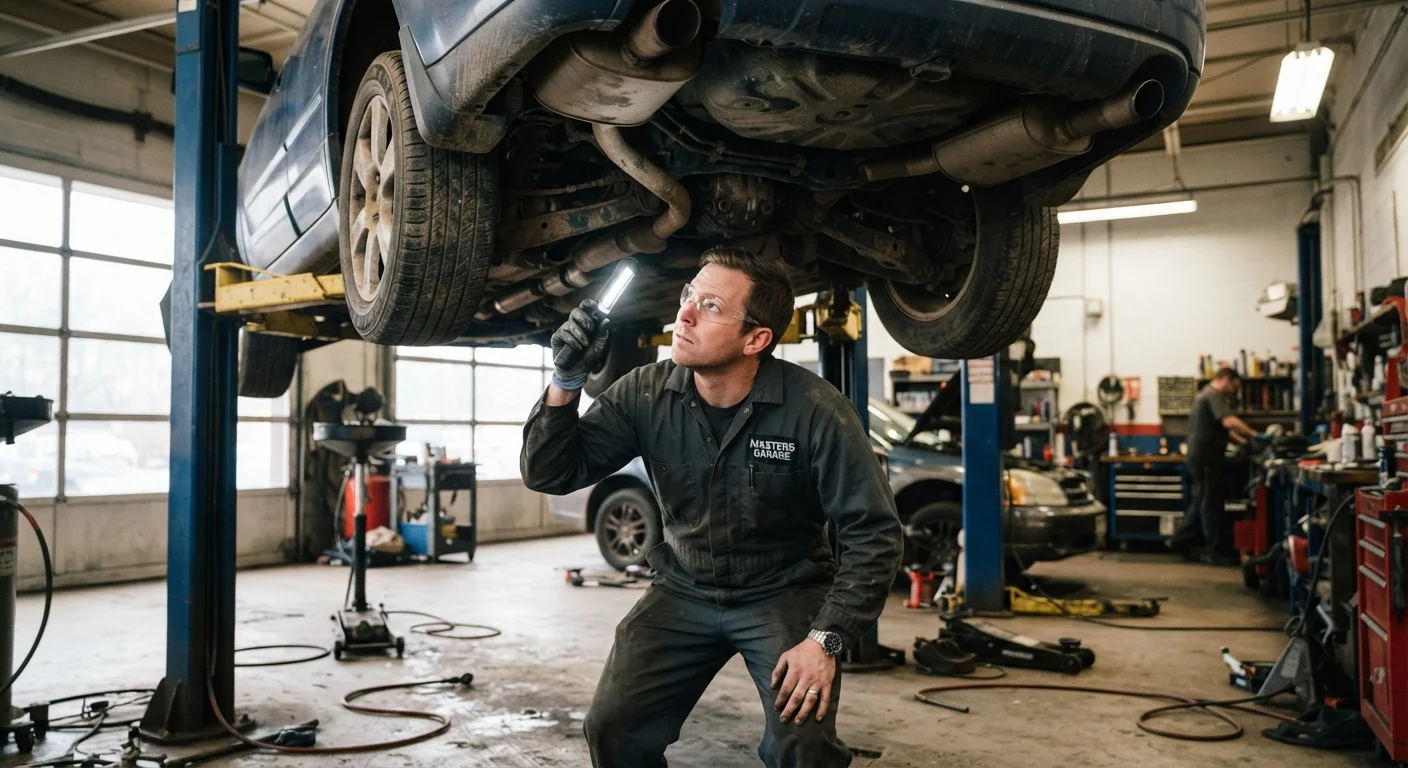
- Frame and undercarriage: The mechanic looks for rust, bends, or signs of prior collision repair - things that can compromise structural integrity.
- Electrical systems: Lights, windows, HVAC, and warning lights on the dashboard are tested. An OBD-II scan checks for stored or pending fault codes.
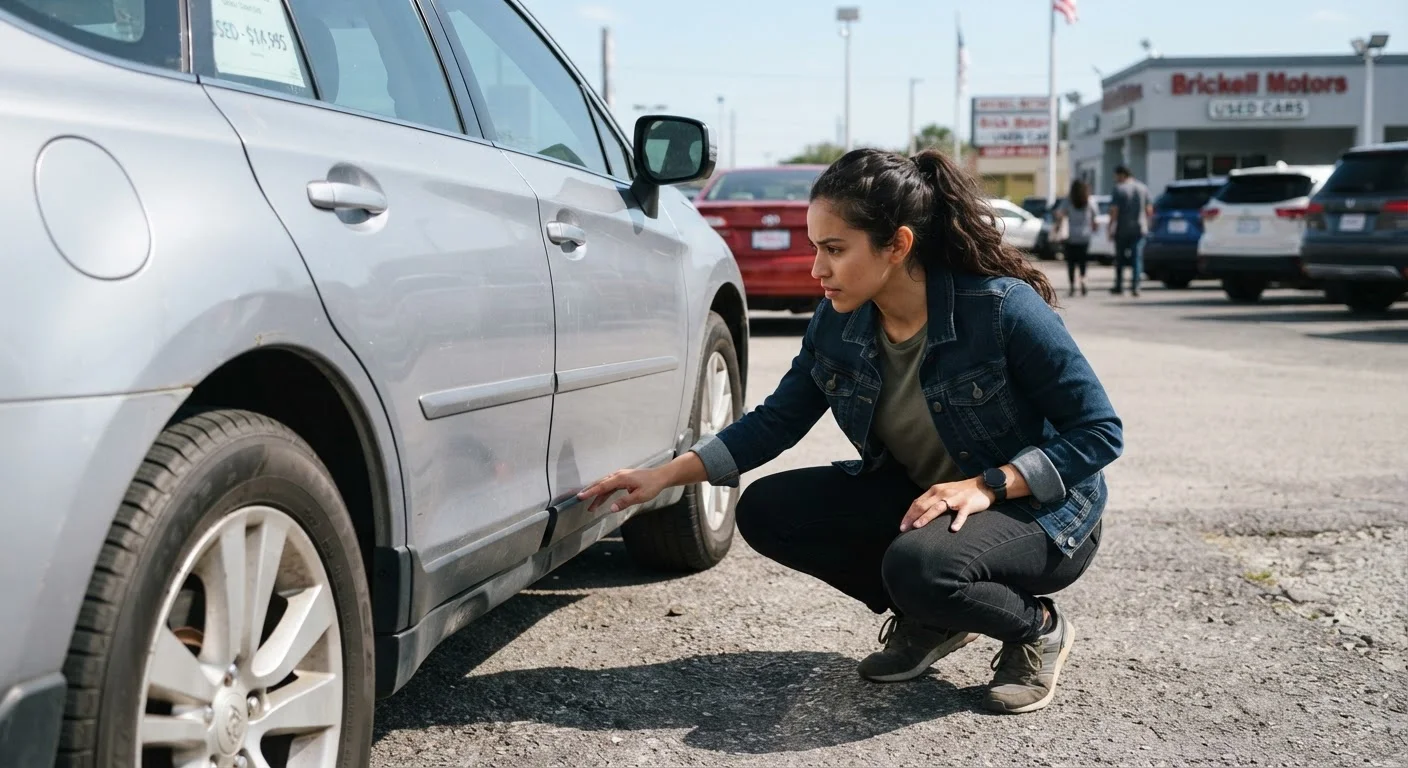
- Exterior and body panels: Panel gaps, paint inconsistencies, and signs of repainting can suggest undisclosed accident history.
Before the inspection, it helps to know what the car should look like going in. Our guide on what to look for before a test drive walks through the basics you can observe yourself.
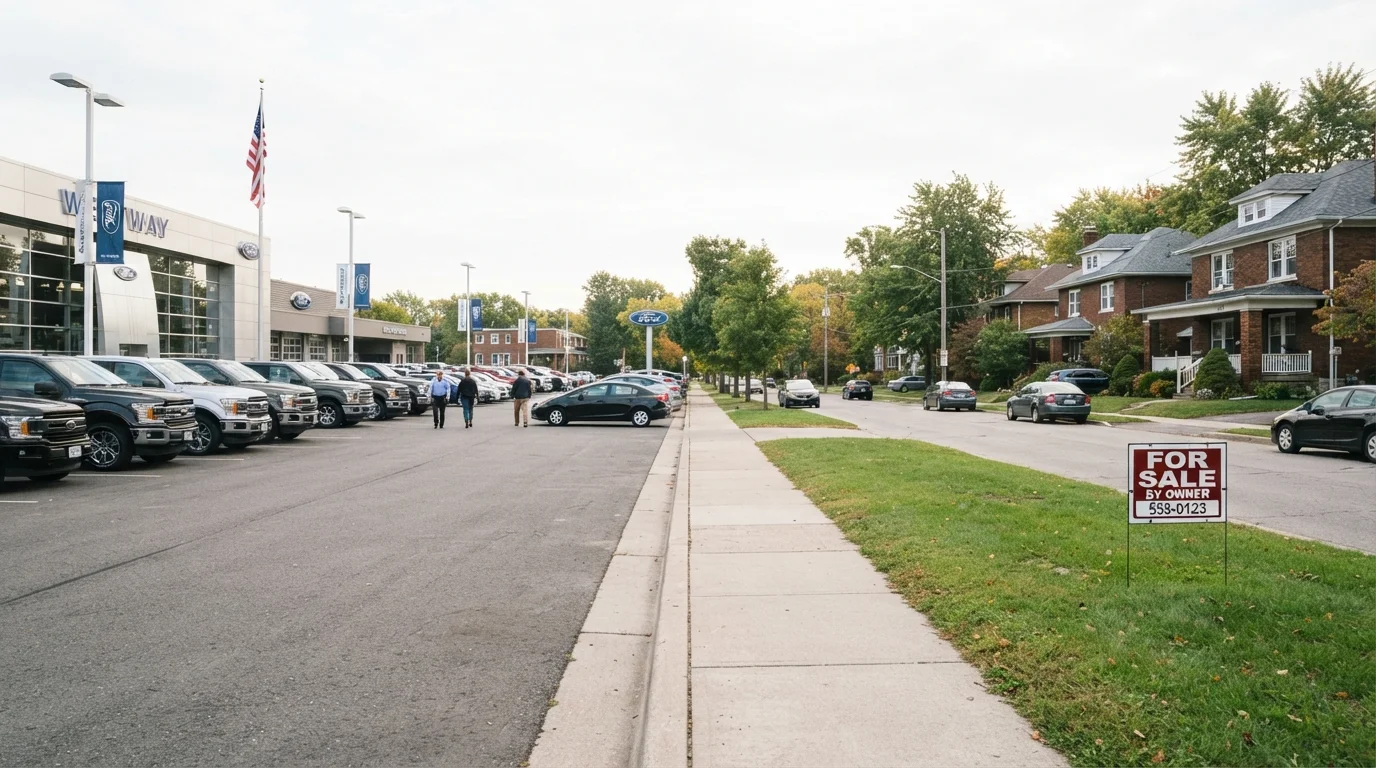
Choose a Shop With No Seller Connection
Always use a mechanic who has no relationship with the seller - not the dealership's own service department. Search for ASE-certified independent shops near where the car is located, or use a network like AAA's Approved Auto Repair directory. Independence is what makes the inspection trustworthy.
How to Use the Inspection Report
Once the inspection is complete, the mechanic will typically give you a written summary of findings with an estimated repair cost for any issues found. Here's how to act on it:
- Sort issues by severity. Some findings - like needing new wiper blades - are trivial. Others, like a cracked subframe or major oil leaks, can cost thousands to fix and may signal deeper neglect.
- Get repair estimates. If a problem is found, ask the mechanic for a ballpark repair cost before you negotiate. This gives you a concrete number to work with.
- Negotiate or walk away. Use the inspection findings to either ask the seller to reduce the price or cover certain repairs. If the seller refuses to budge on a car with serious mechanical problems, walking away is a legitimate option.
Good preparation before you get to this stage also makes a difference. The steps to take in the weeks before buying can put you in a stronger position when it's time to negotiate.
When a PPI Is Most Critical
A PPI is valuable for any used car, but it's especially important in a few situations:
- High-mileage vehicles: Cars with over 100,000 miles have more wear to evaluate, and the cost of upcoming maintenance becomes a key factor in whether the price is fair.
- Private-party sales: Unlike dealer purchases, private sales rarely include any warranty. Your inspection is your only safety net.
- Cars with no service history: If the seller can't produce maintenance records, a mechanic's evaluation is the only way to assess what's been done - or ignored.
- Vehicles with a salvage or rebuilt title: These require extra scrutiny and ideally an inspector experienced with post-collision assessments.
Even certified pre-owned vehicles can benefit from an independent PPI, since CPO inspection standards vary by manufacturer. After you've purchased the car, understanding your car insurance options and building a solid car maintenance routine are the natural next steps.
This article provides general information for educational purposes only and is not a substitute for advice from a qualified mechanic. Inspection scope and costs vary by shop and vehicle type.