
What a Vehicle History Report Actually Contains
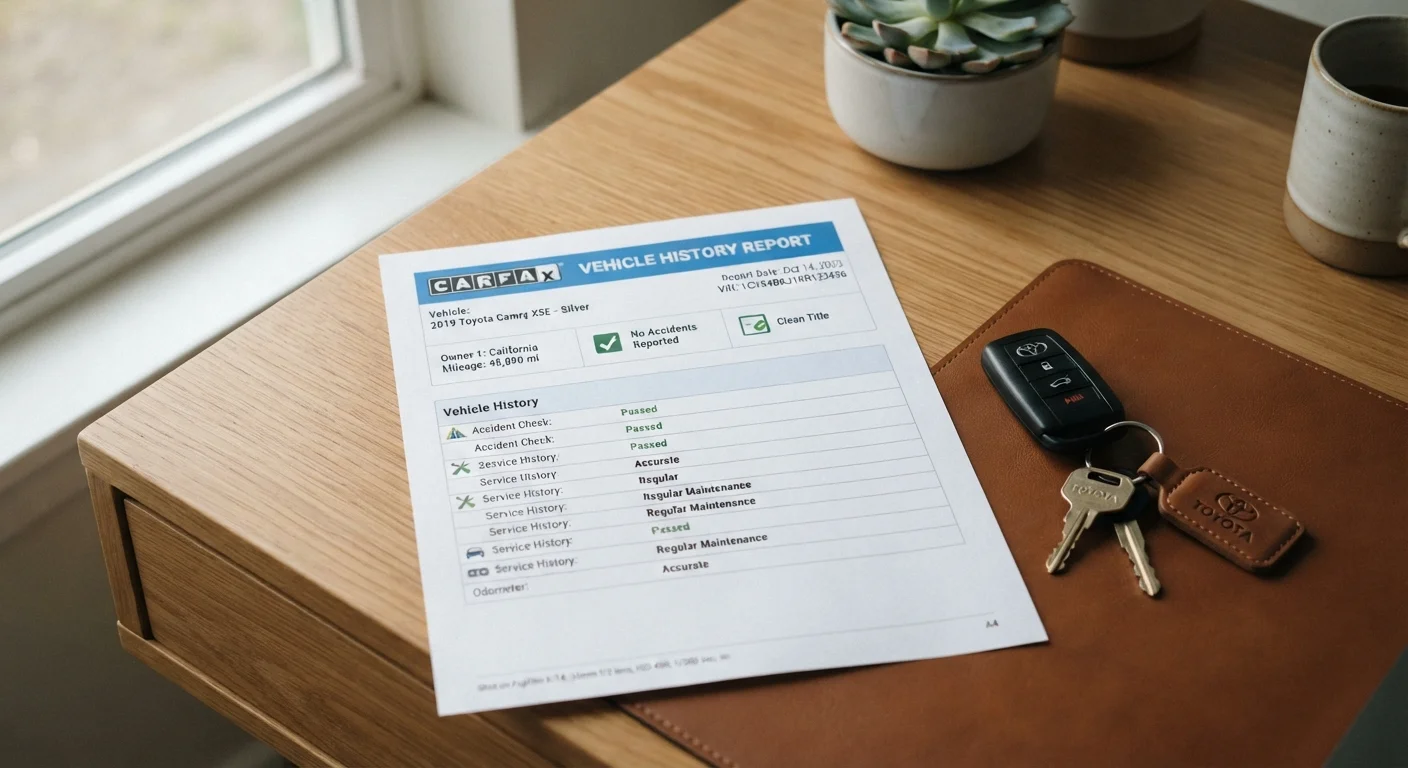
A vehicle history report is a compiled record of documented events tied to a car's VIN - a unique 17-character code assigned to every vehicle at manufacture. These reports draw on data submitted to state DMVs, insurance companies, auto auctions, and repair networks. They are not exhaustive, but they surface patterns that help buyers make informed decisions.
Most reports are organized into several sections: title and ownership history, accident and damage records, odometer readings, service history, and recall or legal status. Understanding what each section means - and what it can't tell you - is the foundation of using the report effectively.
What you will need
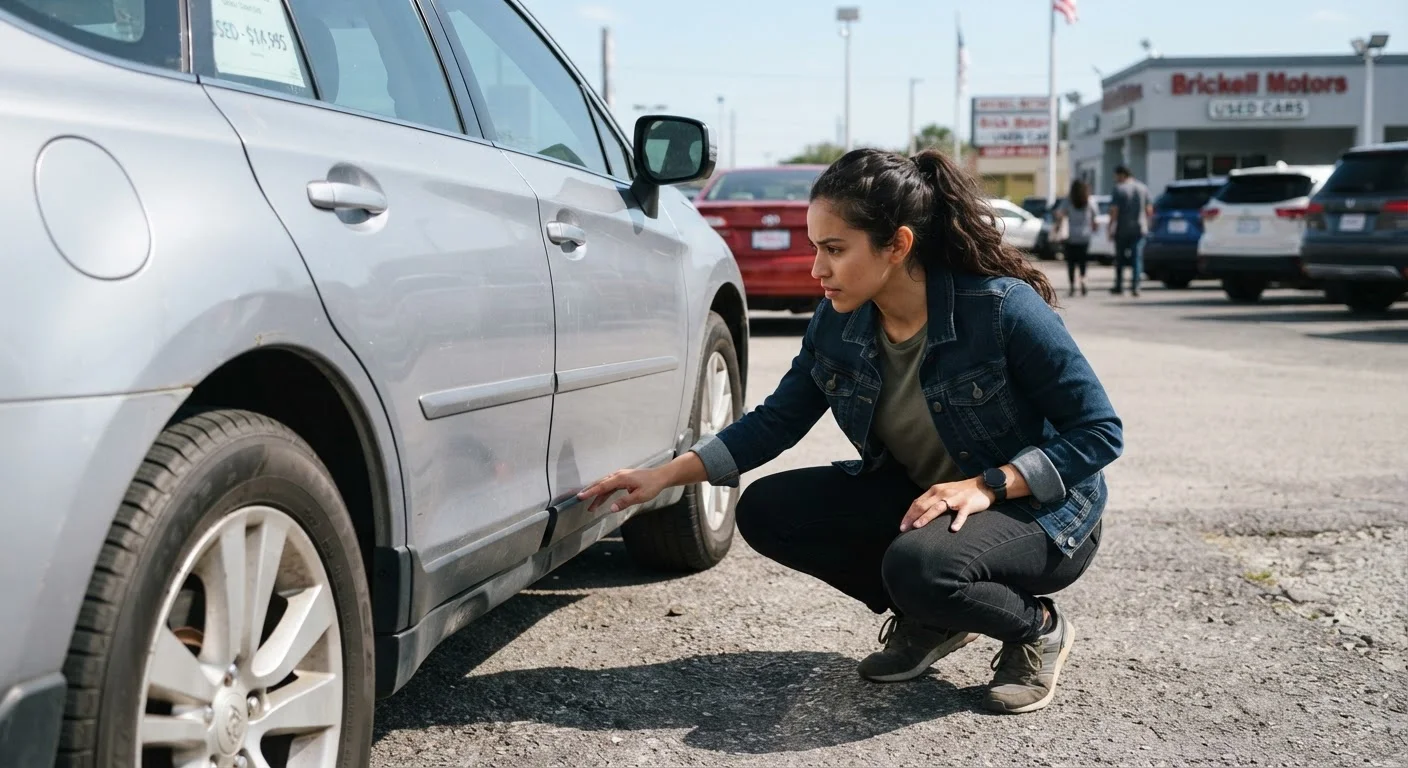
For context on what happens after you review the report, see our guide on what to inspect before a test drive.
How to Read Each Section Without Getting Overwhelmed
The volume of information in a history report can feel daunting at first. The key is to read it in a deliberate order - starting with the most consequential section (title history) and working toward supporting details (service records). Follow the steps below to work through the report systematically.
Locate and Verify the VIN
Before you pull any report, confirm the VIN is consistent across the car itself. Check the dashboard (visible through the windshield on the driver's side), the driver's door jamb sticker, and the paperwork or listing. All three should match exactly. A mismatch is a serious warning sign of potential fraud or a switched panel.
Pull the Report and Scan the Title History First
Open the report and go straight to the title history section. This is the single most important part. You're looking for the number of previous owners, the states where the car was registered, and any title brands. A car that has moved through many states quickly or carries a branded title deserves extra scrutiny.
Review the Accident and Damage Records
Look for any reported collisions, insurance claims, or airbag deployments. The report will typically show the severity (minor, moderate, severe) and which part of the vehicle was affected. Structural damage - hits to the frame rather than bumpers - is more concerning than a minor fender scratch. Note the dates and compare them to ownership changes.
Check Odometer Readings Across All Entries
Every time the car was inspected, registered, or serviced, a mileage reading may have been recorded. Scan these entries in chronological order. Mileage should climb steadily. Flat or declining numbers across separate events suggest odometer tampering - a federally prohibited practice that inflates the car's perceived value.
Look at Service and Maintenance Records
Some reports include entries from dealerships or repair shops that logged services. Regular oil changes, scheduled maintenance, and recall completions are positive signs. Long gaps with no recorded service don't necessarily mean the car was neglected - the owner may have done work privately - but they're worth asking the seller about directly.
Note Any Recall or Lemon Law Entries
Check whether any open safety recalls are listed. You can also verify open recalls independently using the National Highway Traffic Safety Administration (NHTSA) website by entering the VIN. A lemon law buyback entry means the vehicle was returned to the manufacturer under state consumer protection law due to recurring defects - treat this as a significant red flag.
Summarize Your Findings and Decide Next Steps
After reviewing each section, write down anything that raised a question. Then decide: does this car warrant further investigation, or are there enough red flags to move on? If you want to proceed, share your findings with a licensed mechanic before finalizing anything. A professional inspection can confirm or contextualize what the report shows.
Cross-Check Reported Mileage at Each Entry
As you read through the ownership and service history sections, note the odometer reading at each recorded event. The numbers should increase consistently over time. A reading that drops or stays flat across multiple years is a red flag for possible odometer rollback - a form of fraud that inflates a car's apparent condition.
A Clean Report Is Not a Green Light
Vehicle history reports only include incidents that were officially reported - unreported accidents, private repairs, and undisclosed flood damage will not appear. Always pair a history report with a professional pre-purchase inspection before committing to any used-car purchase.
Once you've completed your review, a pre-purchase vehicle inspection by a licensed mechanic is the logical next step - it catches what the paper trail misses.
Watch Out for Title Red Flags
Terms like "salvage," "rebuilt," "flood," or "lemon law buyback" on a title indicate the car has had serious issues. Many standard auto insurers will not cover a salvage-titled vehicle, and resale value is typically much lower. If you see any of these designations, proceed with extra caution and consult a licensed mechanic before going further.
This article is for general informational and educational purposes only. It does not constitute legal, financial, or professional automotive advice. Always consult qualified professionals before making significant purchasing decisions.