
What a Standard Home Inspection Covers
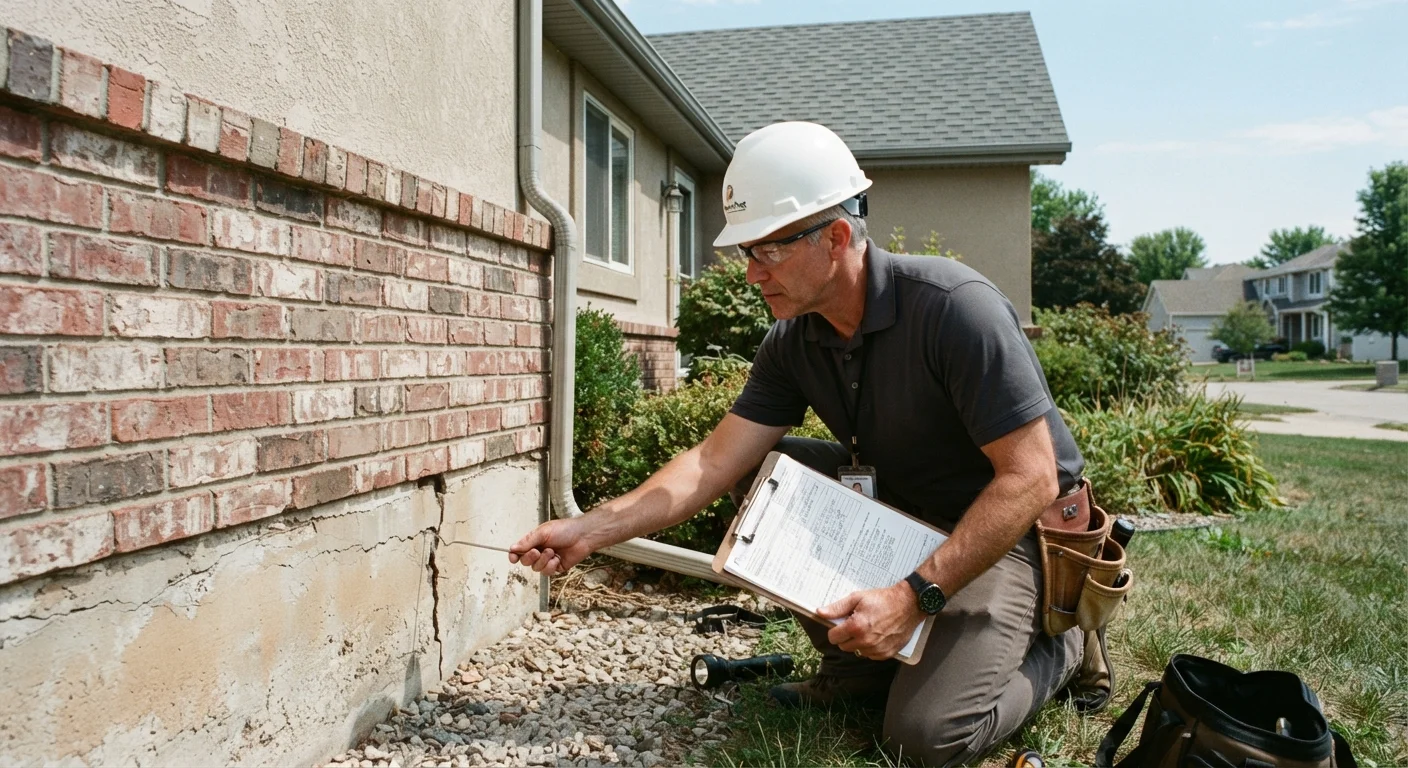
A licensed home inspector follows a systematic process, moving through the entire property and documenting the condition of its major components. Here is what a standard inspection typically includes:
- Structural elements: Foundation, framing, floors, walls, ceilings, and roof structure
- Roofing: Shingles, flashing, gutters, downspouts, and visible roof penetrations
- Exterior: Siding, grading, drainage, driveways, walkways, and attached structures like decks
- Plumbing: Visible pipes, water pressure, water heater, and drainage function
- Electrical: Panel box, wiring type, grounding, outlets, and visible fixtures
- HVAC: Heating and cooling equipment, ductwork, filters, and thermostats
- Interior: Windows, doors, stairs, insulation (where visible), and ventilation
- Attic and crawl space: Insulation, ventilation, and signs of moisture or pest activity
The inspection is visual — the inspector does not open walls, move furniture, or test every outlet. They document what they can observe on a single walkthrough, which typically takes two to four hours.
Attend the Inspection in Person
Reading a written inspection report is useful, but walking through the home with the inspector is far more valuable. You can ask questions about severity, typical repair costs, and maintenance best practices on the spot. Plan to clear two to four hours from your schedule on inspection day.
What a Standard Inspection Does Not Cover
Understanding the limits of a standard inspection is just as important as knowing what it includes. Common exclusions are:
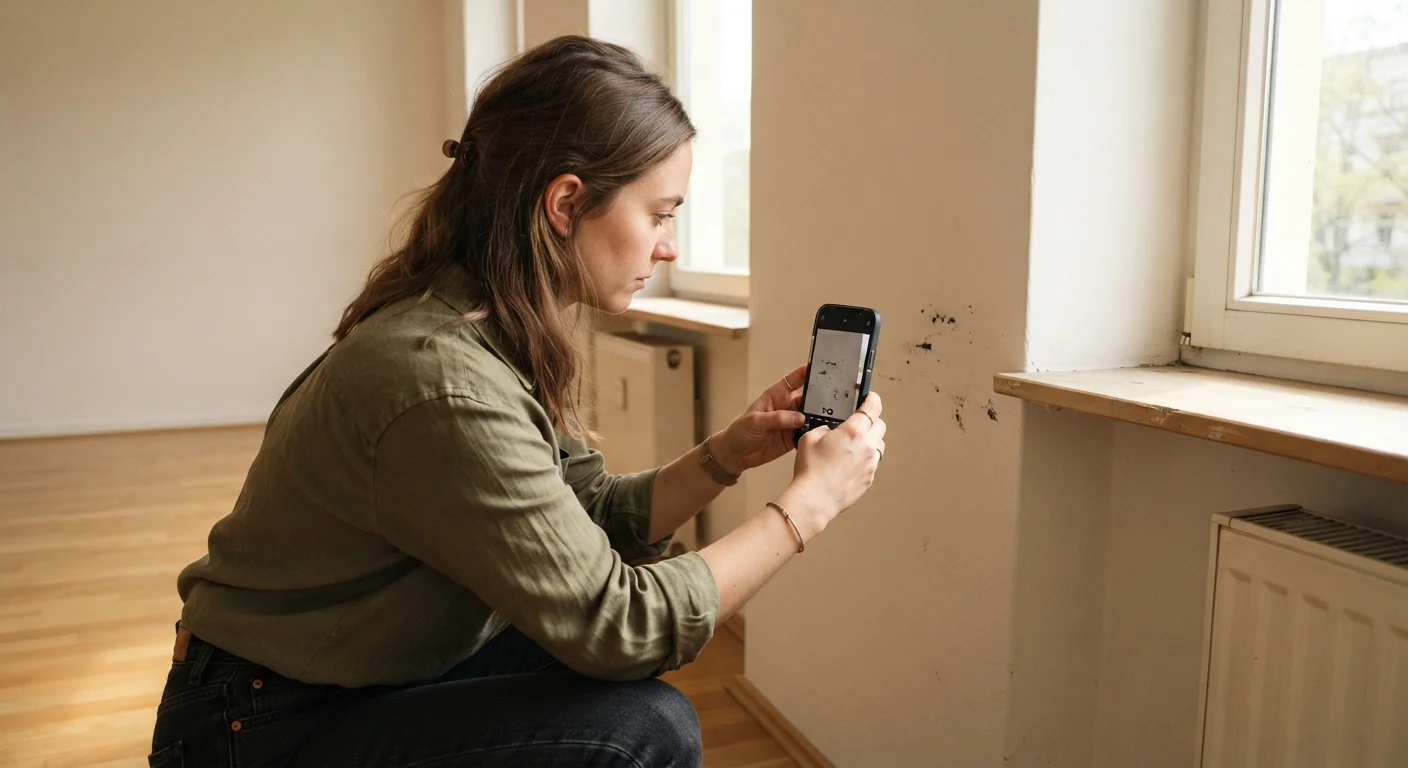
- Mold and air quality: Visible mold may be noted, but lab testing requires a separate specialist.
- Radon: This odorless gas is a leading cause of lung cancer and requires its own test kit or specialist — especially relevant in certain US regions.
- Pests and wood-destroying organisms: Termite and pest inspections are typically a separate service, often required by lenders in some states.
- Underground systems: Septic tanks, wells, and buried oil tanks need specialized evaluation.
- Chimney interiors: A general inspector may note visible concerns, but a certified chimney sweep provides a more complete evaluation.
- Swimming pools and outbuildings: These are often excluded unless specifically added to the scope.
Think of the standard inspection as a broad health check, not an exhaustive diagnosis. For older homes or properties in regions prone to particular risks, specialty inspections are often worth the additional investment. For a useful parallel, see how a pre-purchase vehicle inspection also has defined limits on what a mechanic can assess.
Specialty Inspections Add Cost — and Peace of Mind
Radon tests, mold assessments, sewer scope inspections, and pest evaluations each cost extra — typically $75 to $300 per specialty test. Whether to add them depends on the age of the home, local environmental risks, and what the standard inspection surfaces. Your real estate agent can advise on which are common practice in your market.
Why Skipping the Inspection Is Risky
In competitive housing markets, buyers sometimes waive the inspection contingency to make their offer more attractive to the seller. This strategy carries real financial risk. Major repairs — a failing roof, outdated electrical panel, cracked foundation, or failing HVAC system — can cost tens of thousands of dollars. Without an inspection report, you have no documented basis for negotiating those costs before closing.
Beyond the price tag, an inspection gives you a maintenance roadmap. Even if nothing is structurally alarming, the inspector's report will flag items that need attention in the next one to five years. That information is genuinely useful for planning routine home maintenance once you move in.
~86%
Buyers who get a home inspection
According to the National Association of Realtors, the large majority of home buyers include an inspection as part of their purchase process.
$14,000+
Average cost of a major roof repair or replacement
Industry estimates suggest roof work is among the most common costly surprises uncovered after purchase when no inspection was performed.
2–4 hours
Typical inspection duration
Most standard residential inspections take between two and four hours depending on the size and age of the property.
Before you are even in a position to schedule an inspection, it helps to have your finances in order. See our financial readiness checklist to make sure you are prepared before you tour a single property.
How to Use the Inspection Report After You Receive It
The inspection report is not a pass/fail grade — it is a detailed document you can act on. Here is how to approach it strategically:
- Prioritize by severity. Inspectors often categorize findings. Focus first on safety hazards and items that affect the home's structural integrity or major systems.
- Get repair estimates. Before asking the seller for a credit, get independent contractor quotes so your request is grounded in real numbers.
- Negotiate, don't panic. Most homes have inspection findings. Cosmetic issues are generally not worth fighting over; major mechanical or structural deficiencies are.
- Decide what you will handle yourself. Some items on the report will be reasonable DIY fixes after closing. Our guide on where DIY ends and a professional begins can help you draw that line.
- Keep the report after closing. It becomes a reference document for maintenance priorities and is useful if you ever sell the home.
Your buyer's agent is a critical ally at this stage. They can help you interpret findings and frame your negotiation requests effectively. If you have not engaged one yet, our article on what a buyer's agent does explains how they work and what to expect.
This article is for general informational and educational purposes only. It does not constitute legal, financial, or professional real estate advice. Consult qualified professionals for guidance specific to your situation.