
Why This Decision Is More Complicated Than It Looks
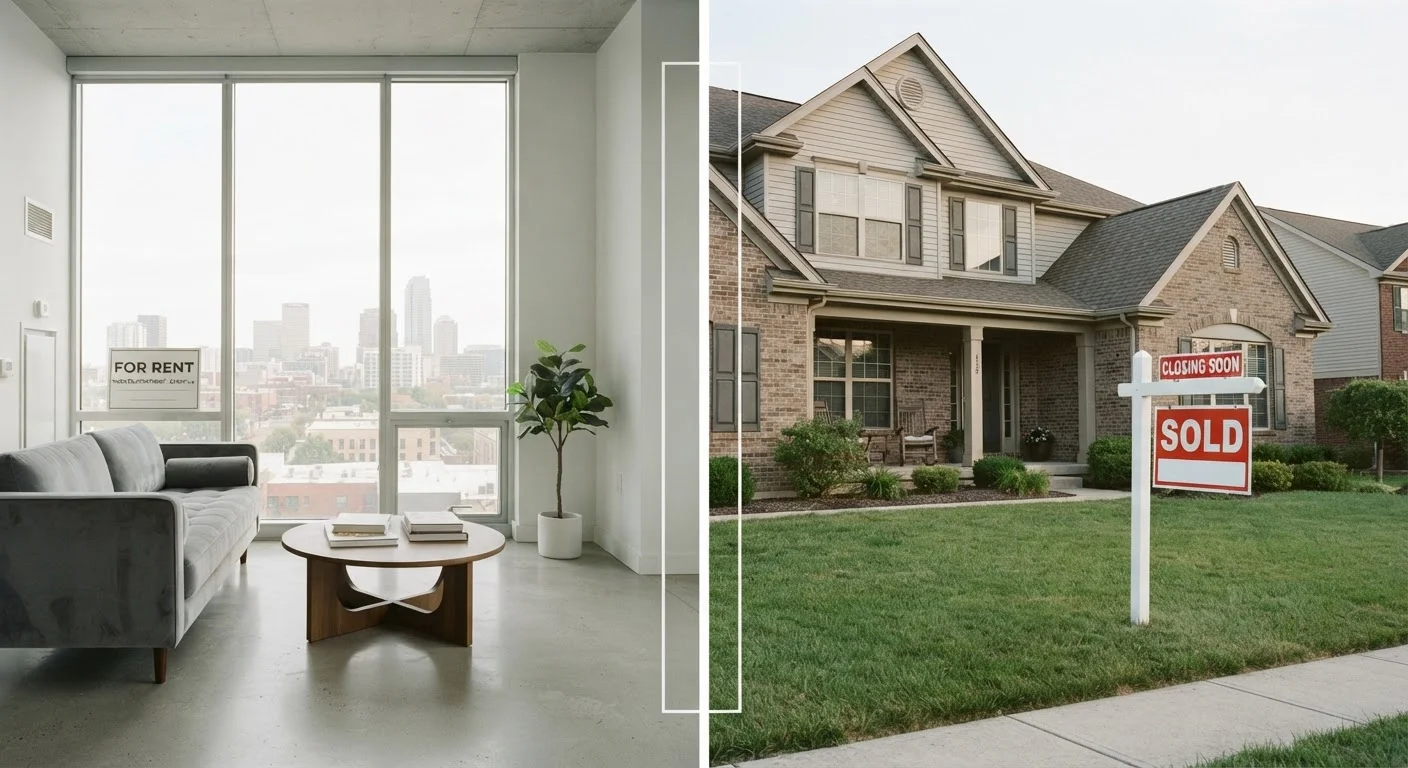
The idea that renting is "throwing money away" is one of the most persistent myths in personal finance. In reality, rent buys you something concrete: housing, flexibility, and the ability to avoid a long list of ownership costs. At the same time, buying isn't a guaranteed path to wealth — it depends heavily on how long you stay, what the market does, and how much you spend to maintain the property.
Understanding this decision means looking honestly at both sides. For a grounding framework on your overall finances before deciding, see the Budgeting Basics hub — knowing your cash flow is essential before making either choice.
What 'Equity' Actually Means
Equity is the portion of your home's value that you own outright — the difference between what the home is worth and what you still owe on your mortgage. Early mortgage payments are heavily weighted toward interest rather than principal, meaning equity builds slowly at first and accelerates over time. This is one reason the length of time you stay in a home matters so much to the financial math.
The Financial Case for Renting
Renting is often the lower-risk option in the short term, and it comes with real advantages that don't always get credit.
Flexibility to move without major financial penalty
Renters can relocate at lease end — typically with 30 to 60 days' notice — without the transaction costs and timeline of selling a home. This matters enormously early in a career or during life transitions.
No exposure to property value declines
If a neighborhood declines or a market corrects, renters simply leave. Owners can find themselves holding an asset worth less than their mortgage balance.
Predictable, capped monthly housing costs
A fixed-term lease locks in your rent for the term. Renters don't face unexpected repair bills, property tax increases, or HOA assessments.
Lower upfront capital required
Most rentals require first month's rent and a security deposit — typically one to two months' rent. Buying typically demands a down payment of 3–20% of the purchase price plus closing costs of 2–5%.
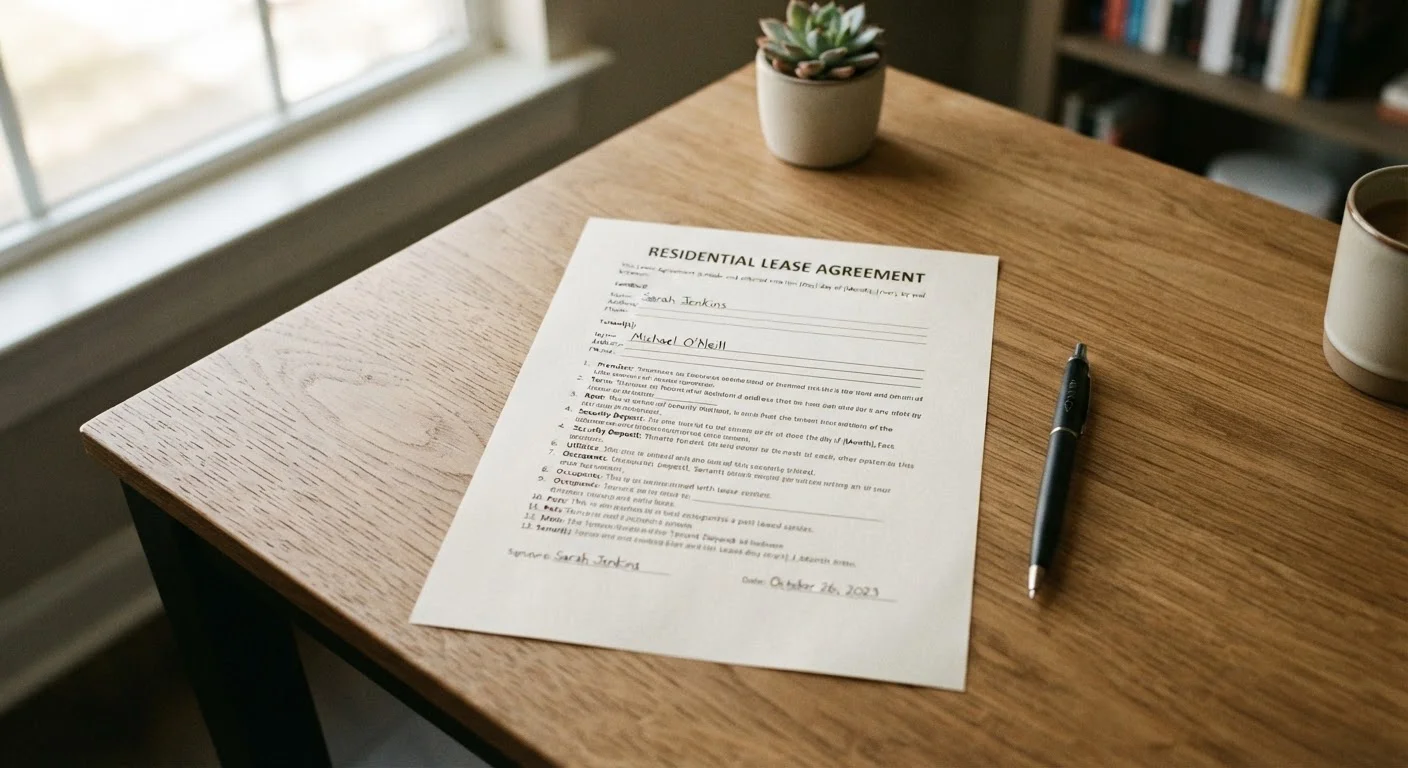
If you're renting and want to understand your lease terms more fully, the Renting Basics hub covers everything from security deposits to landlord responsibilities. And if you share a space, how leases and liability work with roommates is worth reading before you sign.
The Financial Case for Buying
Homeownership has historically been a meaningful wealth-building tool for American families — but it comes with real complexity and upfront costs.
Significant upfront costs before you move in
Closing costs alone — covering lender fees, title insurance, and prepaid expenses — typically run 2–5% of the purchase price on top of the down payment. On a $350,000 home, that can mean $7,000–$17,500 before you unpack a box.
Ongoing maintenance costs are your responsibility
Homeowners commonly budget 1–2% of their home's value annually for maintenance and repairs. That's $3,500–$7,000 per year on a $350,000 home — costs renters never face directly.
Limited flexibility if your circumstances change
Selling a home takes time and money — real estate agent commissions alone are typically a significant percentage of the sale price. If you need to move quickly, the costs can erase years of equity gains.
Property value is not guaranteed to rise
Home values can and do fall. Buyers who purchased at market peaks during previous downturns sometimes spent years underwater — owing more than their home was worth.
One of the biggest variables is your mortgage type. The difference between a fixed-rate and an adjustable-rate loan affects your payment stability for years. See our guide to fixed-rate vs. adjustable-rate mortgages for a clear breakdown of how each works.
5–7 years
Typical break-even timeline for buying over renting
Most financial analyses, including tools published by housing research organizations, suggest buyers need to stay put this long before transaction costs are recouped.
2–5%
Typical closing cost range as a share of home price
The Consumer Financial Protection Bureau (CFPB) notes that closing costs typically fall in this range, covering lender fees, title, appraisal, and prepaid expenses.
How to Think Through the Decision for Your Situation
No formula perfectly captures this decision, but a few key questions can help you think it through clearly:
- How long do you plan to stay? Most financial analyses suggest you need to stay in a purchased home for at least five to seven years before buying typically beats renting, once transaction costs are factored in.
- How stable is your income? A mortgage is a fixed obligation. If your income could shift significantly, the flexibility of renting has tangible financial value.
- What does your local market look like? In some cities, buying is within reach on a moderate income. In others, home prices mean renting may remain the practical choice for years.
- Do you have reserves beyond a down payment? Experts generally recommend keeping three to six months of expenses in savings — and those reserves shouldn't be depleted by a down payment.
Your lease structure also shapes how much flexibility you actually have. The month-to-month vs. fixed-term lease comparison can help you decide how to structure your current rental while you plan ahead.
This article is for general informational purposes only and does not constitute personalized financial, legal, or investment advice. Consult a qualified financial adviser or housing counselor before making decisions based on your individual circumstances.