
What Trade Schools and Vocational Colleges Actually Do
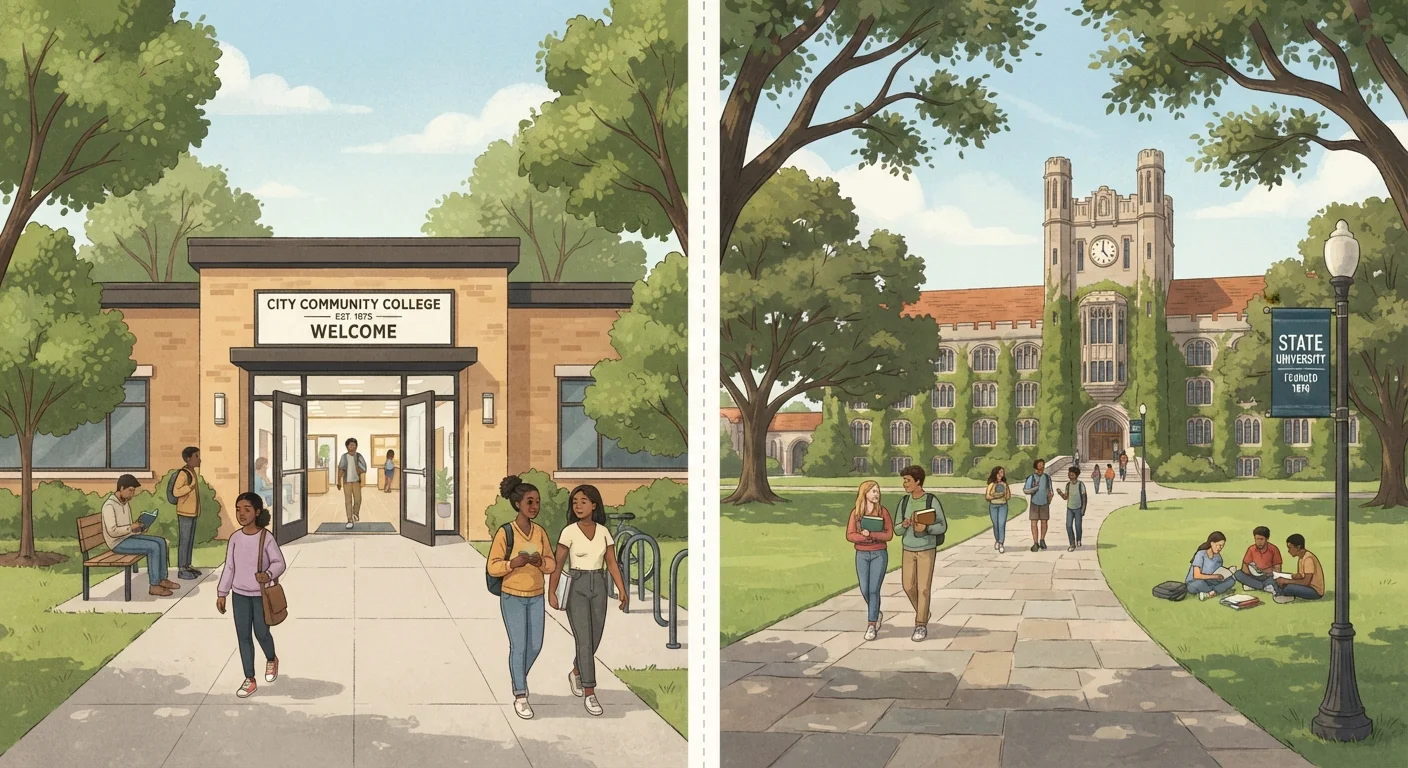
The simplest way to understand a trade or vocational school is this: it skips the general education model and goes straight to the job. Where a traditional four-year college might have you studying literature, history, and philosophy alongside your major, a vocational program focuses entirely on preparing you for one specific occupation.
That occupation could be in healthcare (dental assistant, pharmacy technician), the building trades (electrician, plumber, HVAC technician), technology (cybersecurity, IT support), creative fields (culinary arts, cosmetology), or transportation and logistics. The common thread is that every course, every lab hour, and every practicum is oriented around work-ready skills.
For a closer look at which fields these programs cover, see our overview of trade school and vocational programs.
~2 years
Typical maximum program length
Most certificate programs run under one year; associate degree programs at vocational colleges are generally two years, according to the U.S. Department of Education.
$57,000+
Median annual wage for skilled trades
The U.S. Bureau of Labor Statistics reports that many installation, maintenance, and repair occupations - common vocational pathways - have median annual wages above the national median for all workers.
16 million
Students enrolled in sub-baccalaureate programs
According to National Center for Education Statistics data, millions of Americans are enrolled in certificate or associate degree programs at any given time, reflecting the scale of vocational and community college education.
What You Earn: Credentials and Qualifications
Completing a vocational program earns you one of three main credential types, depending on the program's length and structure:
- Certificate or diploma: Typically awarded after programs lasting a few months to one year. These are the most narrowly focused credentials and are often the fastest route into a trade.
- Associate degree (A.A.S. or A.S.): A two-year credential that blends vocational training with some general education. In some states, these can be partially transferred toward a bachelor's degree, though transferability varies - check with specific institutions.
- Industry certifications: Many programs prepare you to sit for external licensing or certification exams (for example, the National Electrical Code exam for electricians, or the CNA state competency exam for nursing assistants). These certifications, rather than the school credential itself, are often what employers look for.
Understanding which credential an employer values in your target field should be one of your first research steps. Our guide for school leavers new to vocational training walks through exactly how to start that research.
Always Verify Accreditation Before Enrolling
Not all vocational schools carry the same weight with employers or qualify for the same financial aid. Before committing to a program, confirm the school is accredited by an agency recognized by the U.S. Department of Education. You can check the Department's online database at no cost. Accreditation affects your ability to access federal grants and loans, and it signals baseline quality standards.
How These Programs Are Structured
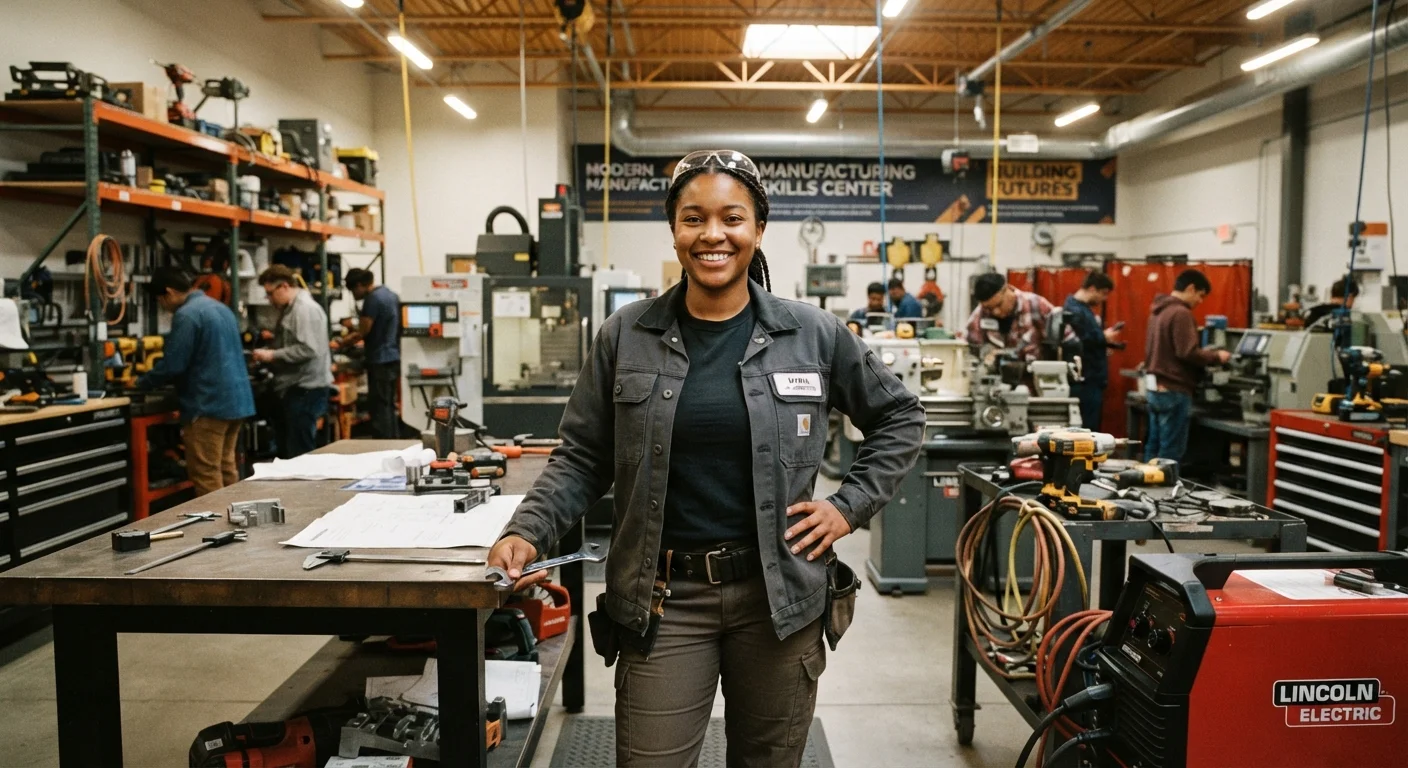
Vocational programs lean heavily on hands-on learning. A typical week might split time between classroom instruction (covering theory, safety regulations, and technical knowledge) and lab or shop sessions (where you practice actual tasks using real equipment). Many programs also include an externship or clinical placement, where students work in a real professional environment before graduating.
This structure is deliberate. Employers in skilled trades consistently report that new hires from vocational programs arrive more job-ready than those who learned only in a classroom. The ability to demonstrate a skill - not just describe it - is central to how these programs are built.
Apprenticeships Are a Related but Distinct Path
Apprenticeships - often sponsored by unions or employers - combine paid on-the-job training with classroom instruction over a multi-year period. They share DNA with vocational programs but are structured differently: you're typically employed from day one. Some vocational schools feed directly into apprenticeship programs, while others serve as standalone pathways. If you're exploring the trades, it's worth understanding both options side by side.
If you're ready to take the next step, our article on what the vocational application process actually looks like explains what to expect from start to finish.
Is This Path Right for You?
Trade and vocational routes suit a wide range of learners - not just those who struggled academically. Many students choose this path precisely because they want a clear, direct line between their education and their career. If you already know the field you want to work in, a vocational program may get you there faster and at lower cost than a four-year degree.
That said, the path has real trade-offs. Some careers remain gated behind a bachelor's degree for advancement. Switching fields later may require starting a new program. And not all vocational schools are equally reputable - accreditation and program quality vary considerably. For a balanced look at what you gain and give up, see our article on going the vocational route.
The most important question isn't whether trade school is better than college in the abstract - it's whether this specific program, at this specific school, leads to the career you want at a cost you can manage. That's a practical question, and it has a practical answer.