
Why Skipped Maintenance Snowballs Fast
New car owners often assume that if a vehicle is running and nothing obvious has broken, everything is fine. That assumption is the root of most preventable repair bills. Cars are systems - each component depends on others working correctly. When one part deteriorates without attention, it rarely fails in isolation.
The good news is that most of these problems are entirely avoidable. Understanding what goes wrong when maintenance slips - and why - is the first step toward building habits that protect both your car and your wallet. For a complete foundation, see our guide to car maintenance from day one.
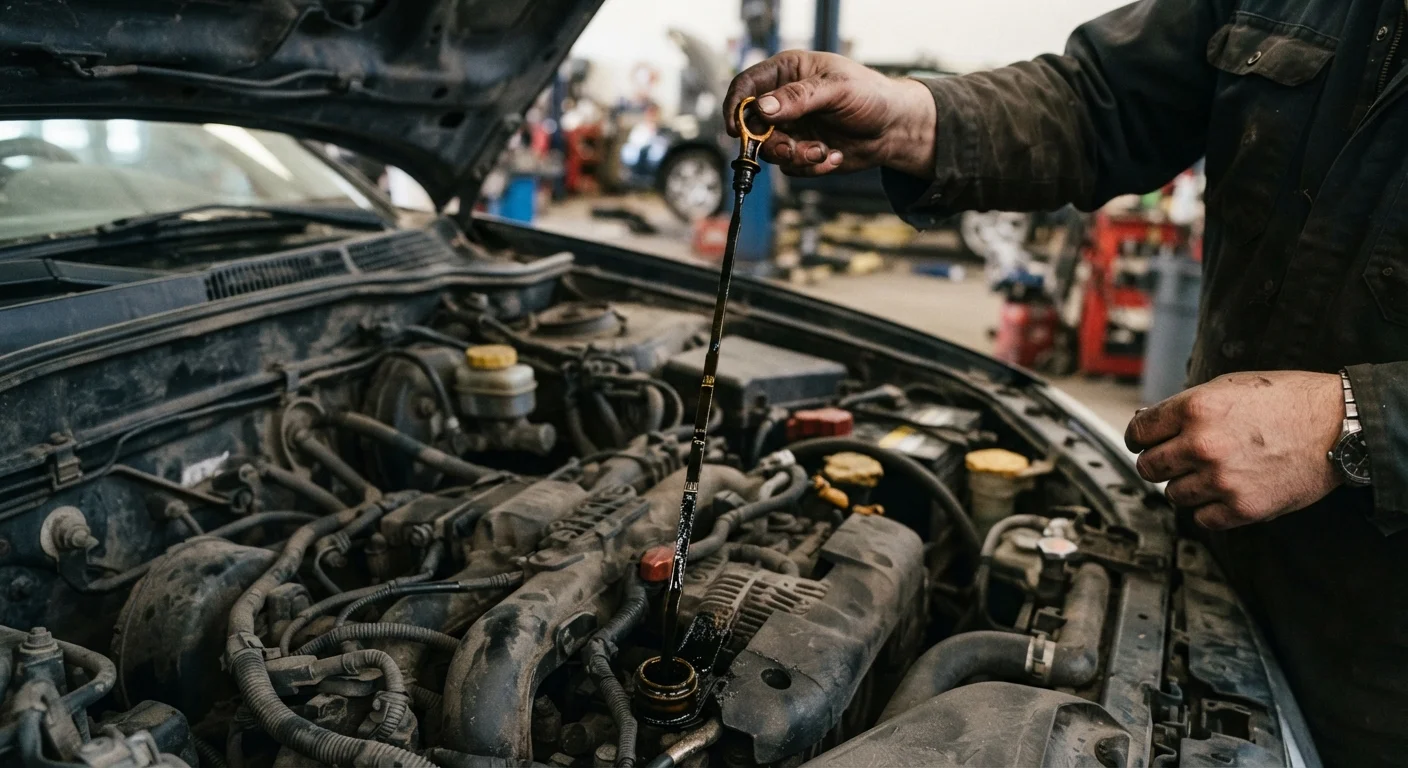
Skipping or delaying oil changes past the recommended interval.
Why it happens: Oil change reminders can feel easy to push off, especially when the car seems to be running fine. Many new owners aren't sure how serious the interval really is.
Ignoring tire pressure and tread wear until something goes wrong.
Why it happens: Tires look fine until they really don't, and pressure loss is invisible to the naked eye. Without a habit of checking, it's easy to drive on underinflated or worn tires for months.
Ignoring brake warning signs like squealing, grinding, or a soft pedal.
Why it happens: Brake noises often come and go, which makes it tempting to hope they'll resolve on their own. New owners may not recognize which sounds signal a real problem versus normal operation.
Neglecting coolant levels and never flushing the cooling system.
Why it happens: Coolant (also called antifreeze) isn't something most new owners think about unless a warning light appears. Because it doesn't need attention as frequently as oil, it's easy to forget entirely.
Replacing only one or two tires at a time without considering the full set.
Why it happens: Buying two tires instead of four feels like a money-saving move in the moment, especially when only two appear obviously worn.
The Real Cost of Waiting Too Long
Every one of the mistakes above follows a similar pattern: a small, inexpensive service gets delayed, and the delay transforms a routine expense into a major repair. Understanding this cost curve helps frame maintenance not as an inconvenience, but as a straightforward investment in avoiding bigger problems.
$1,200+
Average cost of a neglected engine repair
According to AAA, engine-related repairs are among the most expensive vehicle issues, often stemming from skipped oil changes and overheating incidents that went unaddressed.
25%
Vehicles with significantly underinflated tires
The National Highway Traffic Safety Administration (NHTSA) has found that a substantial portion of vehicles on US roads are driven with tires below the recommended pressure, increasing blowout and accident risk.
Budgeting for regular maintenance is far more manageable than absorbing surprise repair costs. If you're building out your monthly spending plan, the budgeting basics hub offers practical frameworks for tracking expenses including car upkeep.
Some maintenance tasks - like checking tire pressure or topping off windshield fluid - are straightforward enough to handle yourself. Others genuinely require a professional. Knowing the line between the two saves both time and money. Our article on DIY car maintenance vs. taking it to a mechanic helps you figure out exactly where that boundary sits.
Dashboard Warning Lights Are Not Optional Reading
A warning light that appears and then disappears does not mean the problem resolved itself. It often means a sensor is intermittently detecting an issue. Continuing to drive without having the code read by a mechanic or a diagnostic tool risks allowing a manageable problem to become a serious one. Most auto parts retailers will read diagnostic codes at no charge, which is a useful first step before visiting a mechanic.
The most reliable way to stay ahead of all of this is to use the schedule your manufacturer already created. Your owner's manual spells out exactly what needs attention and when - our guide to reading the maintenance schedule section walks you through how to find and use it. From there, building a maintenance habit that actually sticks is about making that schedule part of your regular routine.