

What a Purchase Offer Actually Is
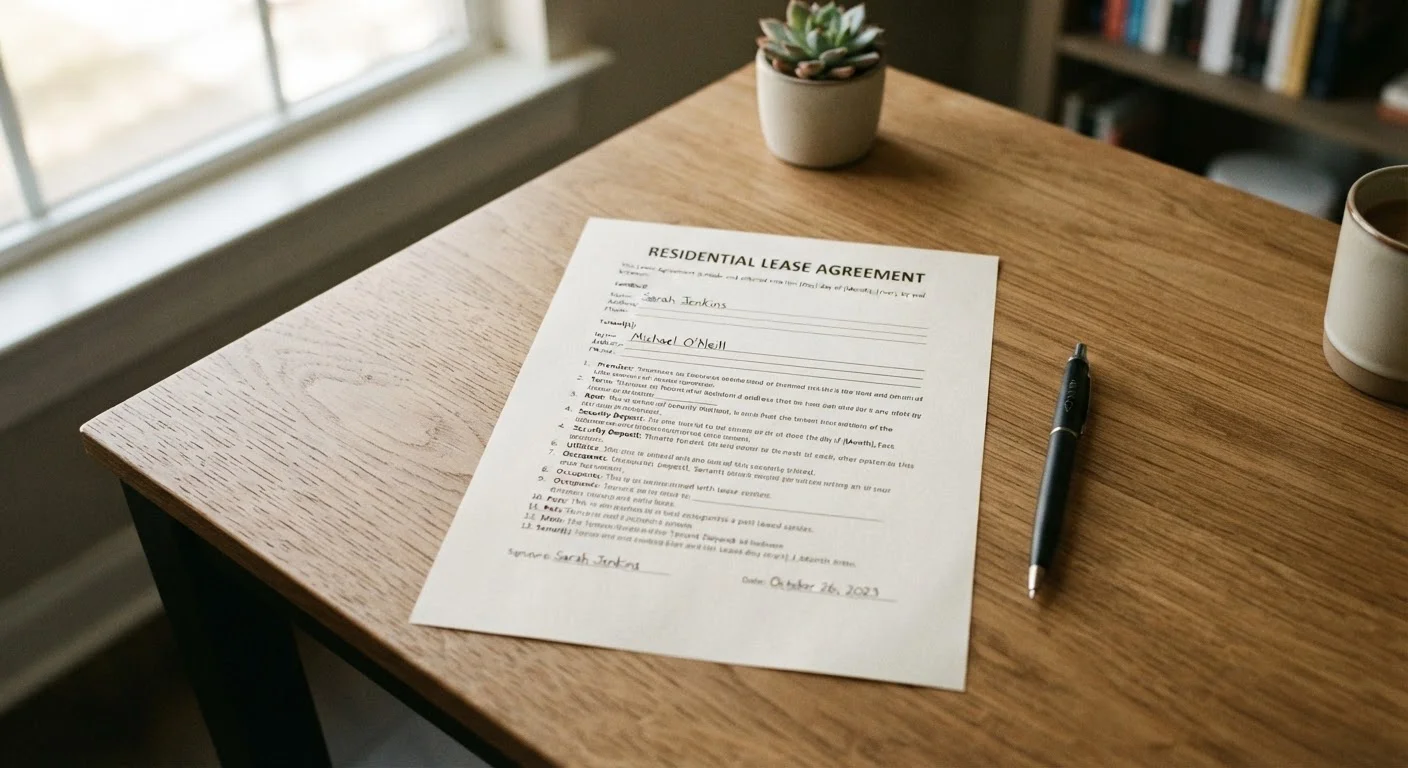
A purchase offer — also called a purchase agreement or sales contract — is a formal written proposal to buy a specific home at a specific price under specific conditions. Unlike browsing or touring, submitting an offer starts a legal process. If the seller accepts it as written, you have a binding contract.
Before you get here, you should already have a clear picture of your finances. If you haven't done that groundwork yet, our financial readiness checklist is a good place to start, and you'll want to understand how a mortgage works before you commit to a price.
Your real estate agent will typically draft the offer using a standard form recognized in your state, then customize it with the details you agree on together. Here's what's usually inside:
- Offered purchase price — what you're willing to pay
- Earnest money deposit — a good-faith payment (typically 1–3% of the purchase price) held in escrow
- Contingencies — conditions that must be met for the sale to proceed
- Closing date — when you expect to take ownership
- Personal property inclusions — appliances or fixtures you want included
- Offer expiration — a deadline for the seller to respond
Contingencies are one of the most important concepts for first-time buyers. Common ones include a financing contingency (the deal is void if you can't secure a mortgage), an inspection contingency (you can renegotiate or walk away after a home inspection), and an appraisal contingency (the sale requires the home to appraise at or near your offer price). These clauses protect you — removing them to look more competitive carries real financial risk.
Removing Contingencies Is a Serious Risk
In hot markets, some buyers waive contingencies to make their offer more attractive. This can mean accepting the property 'as-is,' taking on appraisal risk, or proceeding without guaranteed financing. If any of these scenarios materialize — a failed loan or a hidden structural problem — you could lose your deposit or be obligated to proceed anyway. Never waive a contingency without fully understanding what you're giving up. Discuss the risks in detail with your agent before doing so.
How to Submit Your Offer
Before writing the offer, make sure you have a mortgage pre-approval letter in hand. Sellers and their agents take pre-approved buyers far more seriously, and in competitive markets, an offer without one is often ignored.
What you will need
Discuss your offer strategy with your agent
Talk through the recent sales prices of comparable homes (called comps) in the neighborhood. Your agent can pull this data to help you determine whether the listing price is fair, high, or low. Decide together how much to offer, which contingencies to include, and how much earnest money to put down.
Review the offer document carefully before signing
Your agent will prepare the written offer using the appropriate state-approved form. Read every line before you sign. Pay particular attention to contingency deadlines (e.g., how many days you have to complete an inspection), what personal property is included, and the earnest money terms.
Submit the offer with your pre-approval letter
Your agent transmits the signed offer to the seller's agent, along with your mortgage pre-approval letter and any other requested documents. Set a response deadline of 24–48 hours to avoid being left in limbo while the seller shops for competing offers.
Respond to any counteroffer promptly
If the seller counters, review the changes with your agent. Identify what changed and decide whether to accept, counter back, or walk away. Each round of negotiation is time-sensitive — delays can signal disinterest and give the seller reason to move on.
Confirm acceptance and submit your earnest money deposit
Once both parties have signed the same version of the agreement, you're officially under contract. Within the timeframe specified in the contract (often 1–3 business days), you'll wire or deliver your earnest money deposit to the escrow account. Keep your receipt and written confirmation.
After Submission: What Sellers Can Do
Once your offer is in the seller's hands, you'll typically hear back within 24–72 hours — though the timeline depends on whatever deadline you set in the offer itself.
The seller has three options:
- Accept
- They sign the offer as written. You're now under contract. Congratulations — but stay focused. The work between contract and closing is significant. Our guide on what happens from offer to keys walks through every stage ahead.
- Counter
- The seller proposes different terms — a higher price, a different closing date, fewer contingencies. A counteroffer is essentially a new offer; you can accept, counter back, or decline. Multiple rounds of back-and-forth are normal.
- Reject
- The seller declines without a counter. This is disappointing but not uncommon. You're free to revise and resubmit if the seller is willing, or move on to another property entirely.
A Personal Letter Can Sometimes Help
In some situations, buyers write a brief personal letter to the seller explaining why they love the home. This approach is more common in non-competitive markets and is entirely optional. However, be aware that some sellers and agents avoid these letters due to fair housing concerns, as they can inadvertently introduce protected-class information into the decision. Ask your agent whether it's appropriate in your situation.
If your offer is accepted, one of the next priorities is scheduling a home inspection — a critical step that can surface problems giving you legitimate grounds to renegotiate or exit. Be aware that many deals fall apart between contract and closing due to preventable missteps, so stay organized and responsive during this window.
This article is for general informational purposes only and does not constitute legal or financial advice. Real estate contracts and regulations vary by state and locality. Consult a licensed real estate agent and, where appropriate, a real estate attorney before entering into any purchase agreement.