

Why Degree Programs Surprise So Many Students
Higher education has its own language, its own rules, and its own hidden architecture. For students who are the first in their families to navigate a four-year institution - or who are returning after time away - the gap between what a program appears to offer and what it actually requires can be jarring. Understanding what key terms like credit hours and accreditation really mean is a starting point, but structural surprises go deeper than vocabulary.
The mistakes below aren't about poor choices - they're about missing information. Colleges aren't always transparent about the full picture upfront, and students aren't always sure what questions to ask. This guide names the specific blind spots so you can look for them before they affect your timeline or your finances.
The Five Mistakes That Derail Degree Plans
Each of the errors below follows the same pattern: a reasonable assumption turns out to be only partially true. Recognizing where those assumptions break down is how you protect your time and money.
Assuming the published four-year plan is a realistic timeline for everyone.
Why it happens: Degree maps published in college brochures show the minimum path under ideal conditions - full-time enrollment, no failed courses, and immediate prerequisite completion.
Ignoring the prerequisite chain before choosing a major.
Why it happens: Prospective students typically focus on the degree title and career outcome, not the sequential course structure that supports it.
Treating the sticker tuition price as the real cost.
Why it happens: Colleges are required to publish tuition clearly, but lab fees, technology fees, program-specific fees, and materials costs are often listed separately or buried in enrollment paperwork.
Assuming all previously earned credits will transfer and count toward the new degree.
Why it happens: Transfer credit policies vary widely between institutions and even between departments within the same school. Students who took community college courses expecting smooth transfer often discover those credits satisfy only elective requirements - not core major requirements.
Overlooking licensure and accreditation requirements for professional programs.
Why it happens: Fields like nursing, education, social work, and engineering have external licensing or certification requirements that the degree alone does not guarantee. Students sometimes discover this only after graduation.
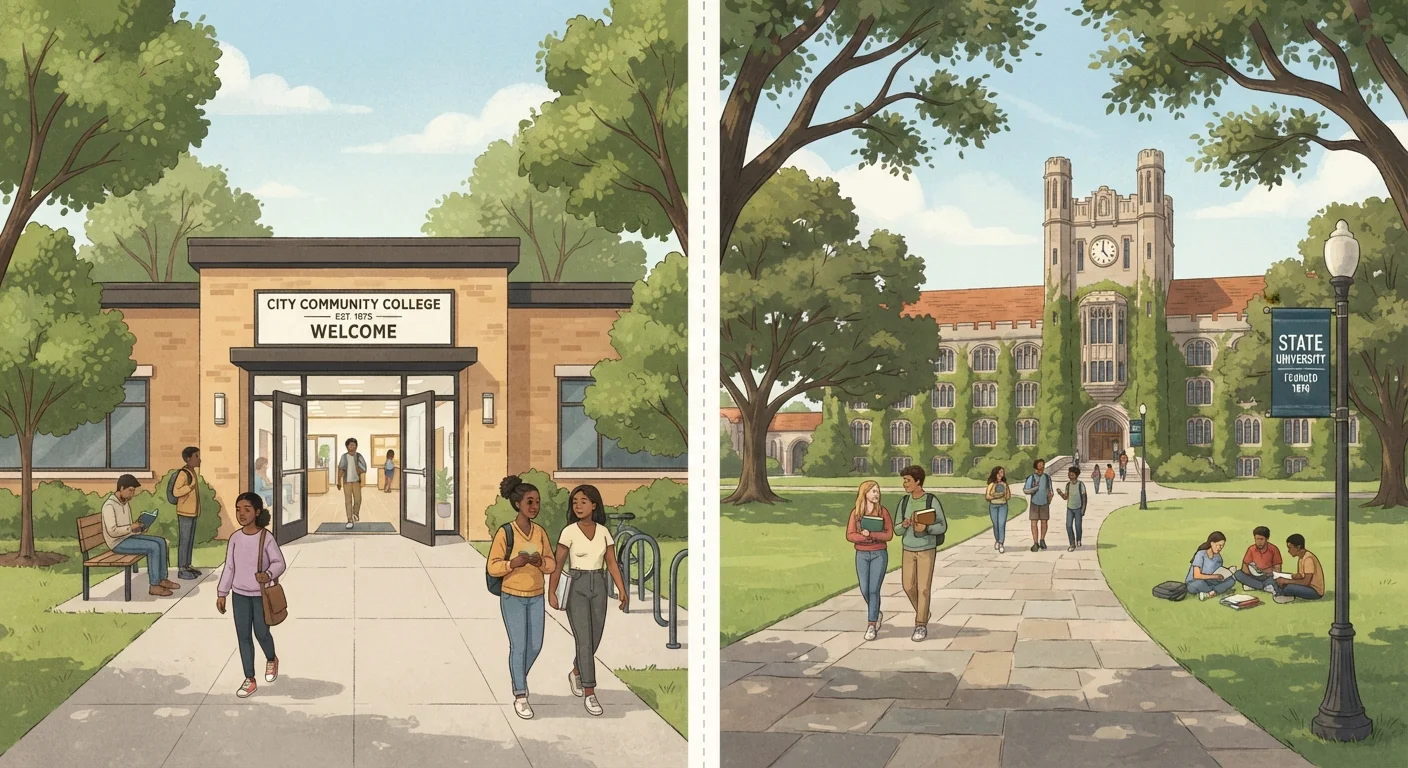
If you're still weighing whether a traditional four-year degree is the right structure for your goals, it's worth understanding how apprenticeships, trade programs, and community college differ from a bachelor's degree track. Different paths have different structures - and different kinds of surprises.
What to Do Before You Commit
Accreditation Affects More Than Prestige
Regional accreditation is the standard recognized by most employers, licensing boards, and graduate programs across the U.S. National accreditation, common at some vocational and for-profit schools, is often not accepted for credit transfer and may affect professional licensing eligibility. Always verify a program's accreditation status through the U.S. Department of Education's database before enrolling.
Avoiding these mistakes comes down to one habit: asking specific questions before you enroll, not after. Admissions sessions are designed to inform and attract - advisers and registrars are where you get the operational reality. Know exactly what to ask before committing to any college or program, including graduation rates, transfer policies, and financial aid timelines.
If online programs are part of your consideration, the structural surprises are similar but carry additional layers - accreditation type and employer recognition matter just as much online. See our overview of what to know about online learning before committing for a parallel breakdown. And if you've encountered common assumptions about college that you aren't sure are accurate, our piece on myths first-generation students hear most addresses several of them directly.
This article is for general educational informational purposes only. Enrollment requirements, transfer policies, accreditation statuses, and costs vary by institution and change over time. Always verify current details directly with the institution's registrar, financial aid office, and the relevant licensing body for your field.