

Why Optional Coverages Exist
When you shop for auto insurance, the core coverages - liability, collision, and comprehensive - handle most major scenarios. But a handful of common situations fall into gaps those coverages don't fill. That's where optional add-ons come in. They're not mandatory, and they're not always necessary, but for certain drivers in certain situations, they can prevent a serious financial headache.
If you're still building your understanding of the core policy types, the breakdown of liability, collision, and comprehensive coverage is a good starting point before diving into the extras.
The three optional coverages most commonly offered - and most commonly misunderstood - are GAP insurance, roadside assistance, and rental reimbursement. Here's what each one actually does.
GAP Insurance: When You Owe More Than Your Car Is Worth
GAP stands for Guaranteed Asset Protection. It covers the difference - the "gap" - between what your car is currently worth (its actual cash value, or ACV) and what you still owe on your auto loan or lease if the car is totaled or stolen.
Here's why that matters: new vehicles depreciate quickly, sometimes losing 15-20% of their value in the first year. If you financed with a small down payment or took a long loan term, your loan balance may exceed your car's market value for the first few years of ownership. If your car is declared a total loss during that window, a standard collision or comprehensive claim pays only the ACV - leaving you responsible for the remaining loan balance out of pocket.
When it's worth considering: If you financed or leased a new or newer vehicle with little money down, GAP insurance is worth looking into seriously. It's generally less relevant if you paid cash, made a large down payment, or your loan balance is already close to the vehicle's value.
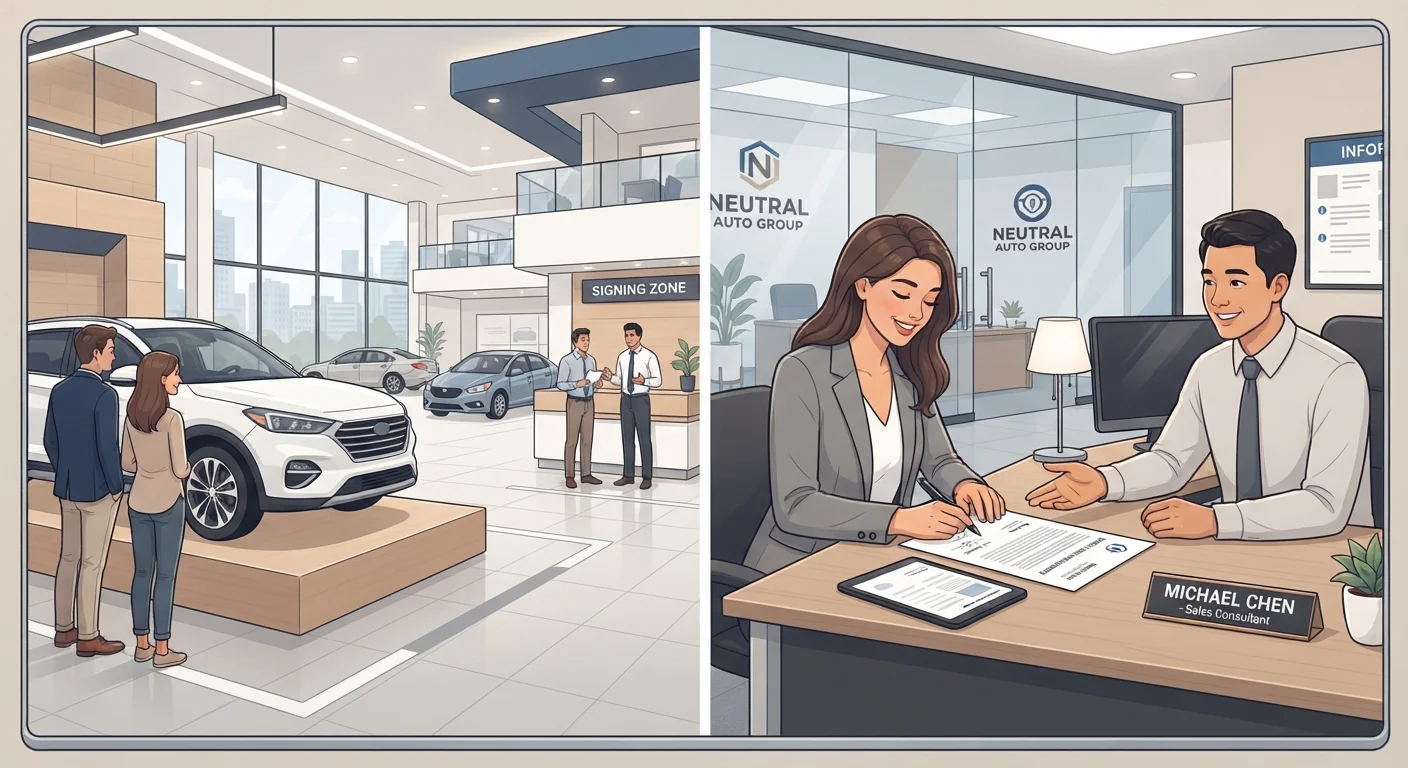
Where to get it: GAP can be added through your auto insurer (often the more affordable route) or purchased through a dealership at signing. If offered through a dealer, compare the cost carefully - dealer-bundled GAP can be significantly more expensive than an insurer's version.
GAP insurance protects you from owing money on a car you no longer have.
Roadside Assistance: Help When You're Stranded
Roadside assistance coverage pays for emergency services when your car breaks down or you're otherwise stuck - think towing, flat tire changes, jump-starts, lockout service, and fuel delivery. When added through an auto insurance policy, it's typically one of the least expensive add-ons available.
What it doesn't do: Roadside assistance covers getting you and your car to safety or a repair shop. It doesn't pay for the actual repair once you arrive. Also check your policy's limits - many plans cap the towing distance or the dollar amount per service call.
When it's worth considering: If you don't already have a standalone roadside membership (available through several auto clubs), don't have a credit card that includes this benefit, and wouldn't easily absorb a $100-$200 towing bill from your emergency fund, adding it to your policy is a low-cost safety net. If you do have coverage elsewhere, you may be paying twice for the same service.
Building a small emergency fund alongside your auto budget is always a good parallel goal - the saving and banking basics hub is a useful place to start if that's new territory for you.
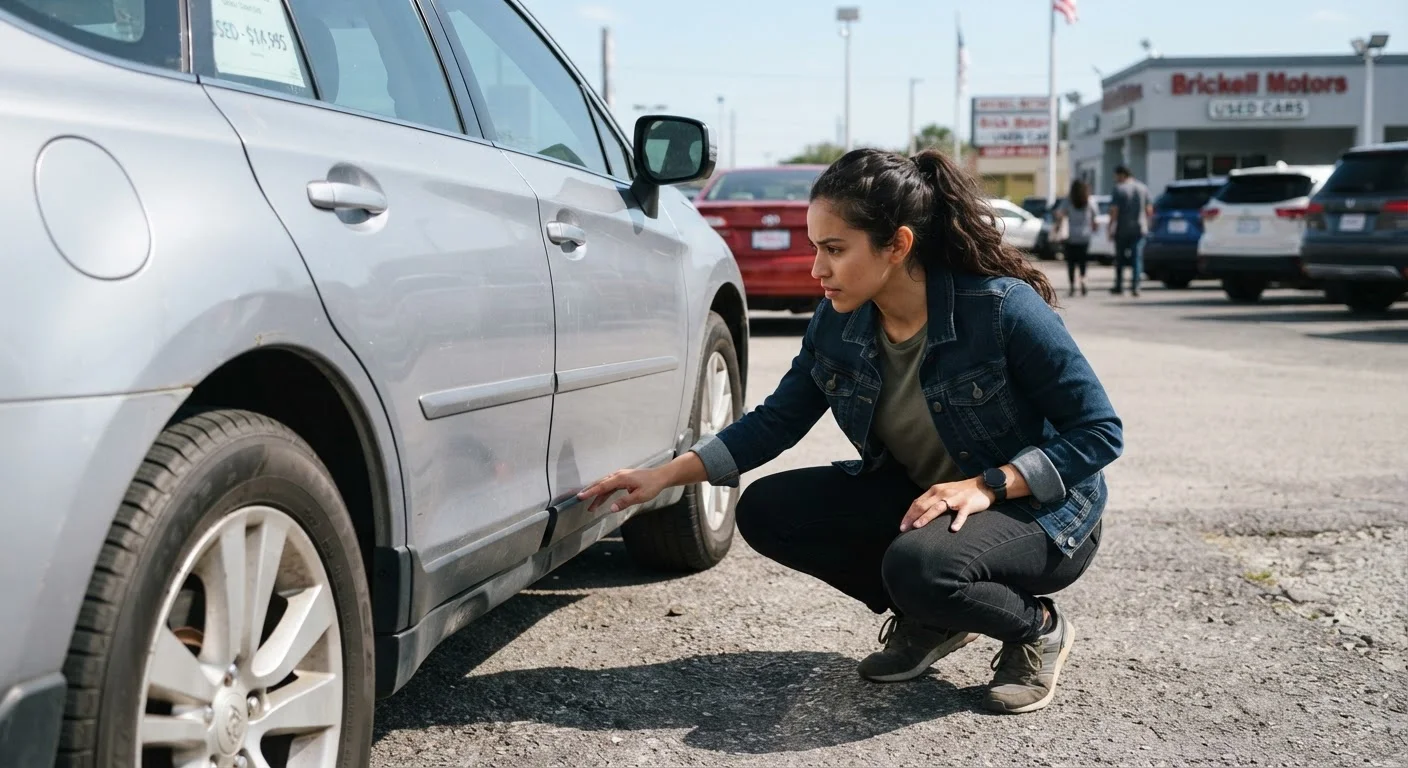
Check whether you already have roadside coverage before paying for it twice.
Rental Reimbursement: Staying Mobile After a Claim
Rental reimbursement coverage pays for a temporary rental vehicle while your car is being repaired following a covered insurance claim - typically a collision or comprehensive event. Without it, you're paying for that rental yourself while your car sits in the shop.
How it works: Policies set a daily dollar limit (commonly $30-$50 per day) and a maximum total payout per claim. If your repair takes a week and your rental costs $45 a day, you're looking at $315 - rental reimbursement would cover that up to your policy's limits. If the daily rental rate exceeds your limit, you pay the difference.
What it doesn't cover: Rental reimbursement generally applies only when the rental is needed because of a covered claim on your own policy. It usually doesn't apply if your car breaks down from a mechanical issue, or if you're simply traveling and want a rental car for convenience. Also, it typically doesn't kick in if the other driver's liability coverage is paying for your rental after an accident they caused.
When it's worth considering: If you rely heavily on your car and don't have a reliable backup - a second vehicle or easy access to transit - this add-on can make a frustrating repair period much more manageable. It tends to cost only a few dollars per month on most policies, which makes the math straightforward for many drivers.
For situations where your policy might not cover what you assumed, coverage gaps that catch first-time policyholders off guard covers several scenarios worth knowing about before you file a claim.
Rental reimbursement only applies to covered claims - not mechanical breakdowns or routine rentals.
How to Decide What's Right for You
None of these add-ons are universally necessary. The right combination depends on your loan situation, your savings cushion, and how dependent you are on your vehicle day-to-day.
Check for Duplicate Coverage First
Before adding any optional coverage to your policy, verify whether you already have it through another source. Credit cards, auto club memberships, and even some financing agreements may include roadside assistance or rental benefits. Paying for the same protection twice is a common and avoidable mistake for first-time policyholders.
A good rule of thumb: before adding any optional coverage, ask your insurer for the exact premium increase, then compare it to what you'd pay out of pocket if the covered scenario actually happened. Also check whether you already have the coverage elsewhere - some credit cards include roadside assistance, and some dealerships bundle GAP into financing. Reading your full policy matters, too; the car insurance glossary can help you decode the fine print before you commit.
For a structured way to evaluate your total policy before signing, see the pre-purchase checklist for young drivers. And if you're weighing whether full coverage even makes sense for your vehicle, liability-only vs. full coverage walks through that decision clearly.
This article is for general informational purposes only and is not personalized insurance or financial advice. Coverage terms, costs, and availability vary by insurer, state, and individual policy. Always read your policy documents carefully and consult a licensed insurance agent for guidance specific to your situation.