

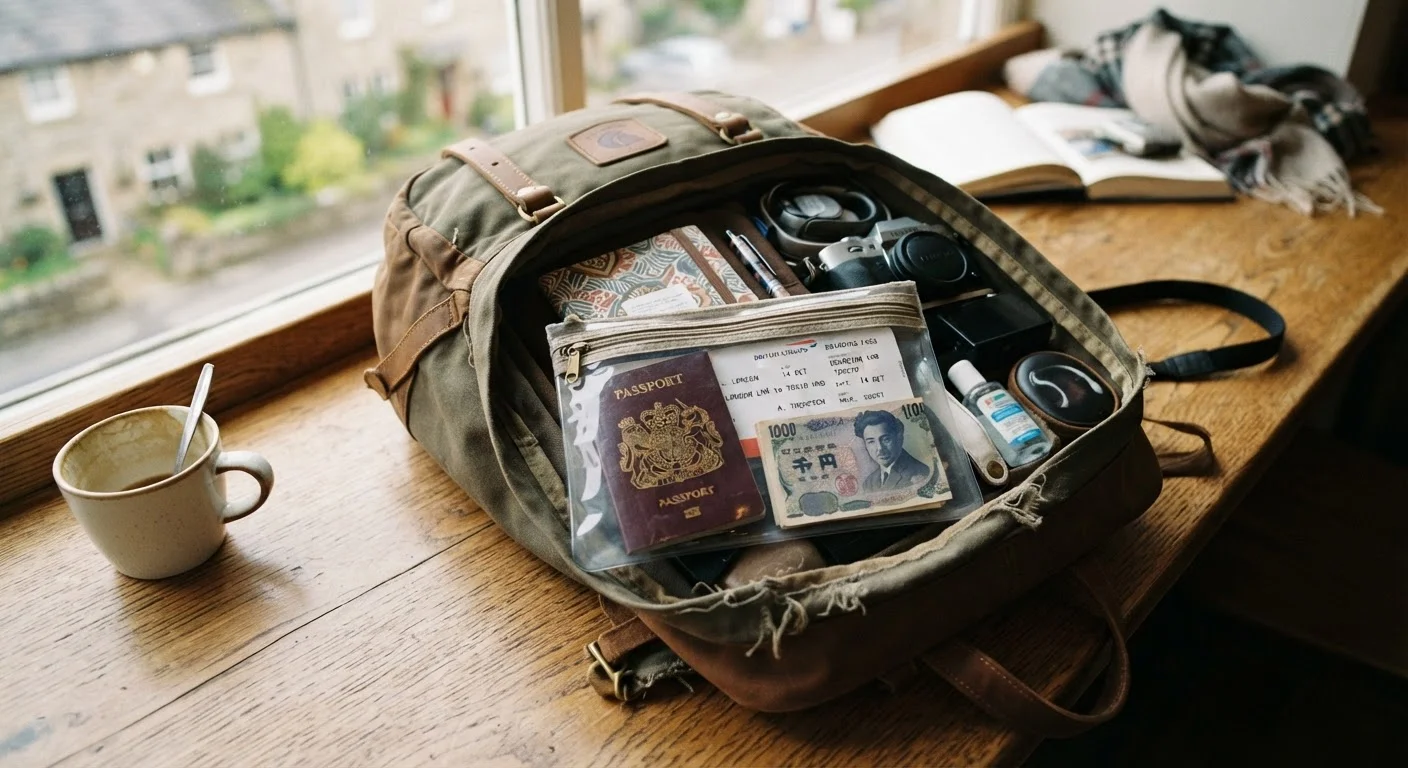
Why Document Security Deserves Its Own Pre-Trip Plan
Losing your passport in an unfamiliar city is one of those travel emergencies that sounds hypothetical until it happens. Without proper preparation, a missing document can derail your entire trip — costing time, money, and significant stress. The good news: most document-related disasters are preventable with a few deliberate habits before and during travel.
Before you focus on security, make sure your paperwork is complete. The pre-departure paperwork checklist is a useful starting point for confirming everything is in order before you reach the airport. Once you know you have the right documents, the next step is protecting them.
Original vs. Copy: Know the Rules
Some countries and border officials require original documents, not photocopies. Always research entry requirements for your specific destination before deciding what to carry day-to-day. Official government travel advisory sites for your home country are the most reliable source for up-to-date entry rules.
The Physical Copy Rule — and How to Apply It
Make two printed copies of every critical document: your passport bio page, visa, travel insurance policy, flight itinerary, hotel confirmations, and any entry forms. Store one set in a separate bag from the originals — ideally a bag that stays at your accommodation — and give the second set to a trusted contact at home who can email them to you if needed.
Split your documents across at least two physically separate bags or locations.
If one bag is lost, stolen, or left behind, you still have access to critical information. Concentrating everything in one place is the single biggest document-security mistake travelers make.
Photograph every document the day you pack, before leaving home.
High-quality images taken at home in good lighting are far clearer than rushed snaps at an airport. Clear images are what embassies and insurers need if you have to replace something.
Record emergency contact numbers separately from your phone.
If your phone is lost or stolen, a digital-only list of contacts is useless. A handwritten card with your insurer's emergency line, your embassy's number, and a home contact takes up no space and could save hours.
Register your trip with your home country's embassy or consulate before departure.
Registration means officials can contact you during emergencies, natural disasters, or political disruptions — and it makes emergency document issuance faster because your information is already on file.
Review your travel insurance policy's document-loss provisions before you leave.
Coverage terms for document replacement vary widely. Knowing your policy's requirements — report timelines, required documentation, covered costs — means you can act correctly the moment something goes wrong.
For your passport specifically, it also helps to understand what the document actually contains. The passport validity and information guide explains how validity works and why some countries require extra blank pages — knowledge that matters when crossing borders.
Digital Backups: Where and How to Store Them
A photo on your phone is a start, but it's not enough — if your phone is stolen, you lose access to both. Instead, upload scans or clear photos of your documents to a cloud storage service you can log into from any device using a browser. Use a strong, unique password and enable two-factor authentication on that account.
Email yourself a single organized message with all document scans attached. It's low-tech, but it works — your inbox is typically accessible anywhere, even from a hotel lobby computer. Just make sure the email account itself is secured properly.
Day-to-Day Habits That Reduce Your Exposure
Once you're traveling, your biggest risk isn't theft from your room — it's casual loss in transit. Developing consistent daily habits significantly reduces that risk.
~50,000
U.S. passports reported lost or stolen annually
According to U.S. State Department data, tens of thousands of passports are lost or stolen each year, underscoring how common — and manageable — this risk is with preparation.
3–5 days
Typical emergency passport processing time at embassies
Processing times for emergency travel documents vary by embassy, destination, and circumstance; having copies of your original documents on hand can significantly speed up the process.
One reliable approach: carry a certified photocopy (or a high-quality color copy) for routine situations like checking into accommodation or showing ID at a venue, and keep the original passport locked away. Many countries allow photocopies for basic identification purposes, though you should always verify local requirements before relying on this — official rules vary. For financial safety while moving, the guide to managing money abroad covers how to separate and protect your payment methods using a similar split-storage logic.
If Something Goes Missing: A Clear Response Plan
Acting quickly and methodically is the difference between a setback and a full trip collapse. If your passport is lost or stolen:
- File a police report immediately — you'll need this for your insurance claim and for the embassy.
- Contact your country's nearest embassy or consulate — they can issue an emergency travel document, though processing times vary.
- Notify your travel insurer — document replacement costs may be covered, but you typically need to report quickly. Review your policy in advance so you know the requirements.
Registering with your embassy before you travel (the U.S. State Department's STEP program, for example) means they already have your contact information if something goes wrong. This takes about five minutes and is especially worth doing for remote or higher-risk destinations.
Set a Document Check Reminder Each Morning
Before leaving any accommodation, do a quick 30-second check: passport, copies, insurance card, cards, phone. Building this as a non-negotiable habit — like checking your keys — catches losses before you're too far away to recover them easily. Many experienced travelers keep all documents in one consistent pouch so the check is fast and reliable.
Travel insurance can cover emergency document replacement, but only if you understand your policy. The article on travel insurance myths breaks down common misconceptions that leave travelers underprotected precisely when they need coverage most. Before you depart, the pre-arrival country checklist is also worth reviewing — it covers visa requirements, health documentation, and other entry essentials that vary by destination.