
Why Pre-Arrival Prep Matters More Than Most First-Timers Expect
Arriving in a country you've never visited is exciting — and disorienting. The biggest mistakes first-time international travelers make aren't packing errors or flight choices. They're the overlooked logistics: the visa that required an application weeks earlier, the currency that isn't accepted anywhere near the airport, or the SIM card that doesn't work on local networks.
This checklist is designed to close those gaps. Work through it at least two to four weeks before departure so you have time to act on anything you're missing. For a broader orientation to international travel logistics, see our complete logistics primer for first-time international travelers.
Documents & Entry Requirements
Health & Vaccinations
Money & Banking
Connectivity & Navigation
Safety & Emergency Contacts
Cultural & Practical Orientation
Tools That Make Pre-Arrival Research Easier
You don't need to memorize everything — you need reliable sources to check things against. The tools below help you verify requirements, plan connectivity, and stay organized.
Your country's official government travel advisory site
Check current safety advisories, entry requirements, and registration options for your destination.
Destination country's official embassy or consulate website
Verify visa requirements, processing times, and any required documentation directly from the source.
Travel health clinic or your primary care provider
Get personalized vaccination recommendations and any required health documentation for your destination.
Google Maps (offline mode)
Download offline maps for your destination so you can navigate without a data connection.
Cloud storage service (Google Drive, iCloud, etc.)
Store digital backups of your passport, visa, insurance, and itinerary where you can access them from any device.
International eSIM provider
Set up data connectivity before you land so you're connected the moment you arrive.
Keep in mind that entry requirements, health regulations, and local conditions can change. Always verify critical details — visas, vaccinations, border rules — directly with official government sources or your country's embassy website before you travel. No third-party app or article (including this one) should be your final word on entry requirements.
Don't Rely on Outdated Information
Visa rules, vaccination requirements, and border procedures can change with little notice. Always cross-check what you read — including in this article — against the official embassy website of your destination country and your own government's travel advisory. What was accurate when an article was written may not reflect current requirements.
A Few Things First-Timers Often Discover Too Late
Even thorough planners sometimes hit surprises. Currency exchange at airports is almost universally poor value — research in-country ATM availability before you go, and carry a small amount of local currency for immediate needs like transit or a meal. Power outlets vary by country, and your devices may need an adapter or a voltage converter.
Tipping norms, pharmacy hours, and basic etiquette also vary more than most travelers expect. Our guide on common surprises for first-time international travelers covers those practical cultural differences in detail. If you're heading to Southeast Asia specifically, this regional overview is worth a read before you land.
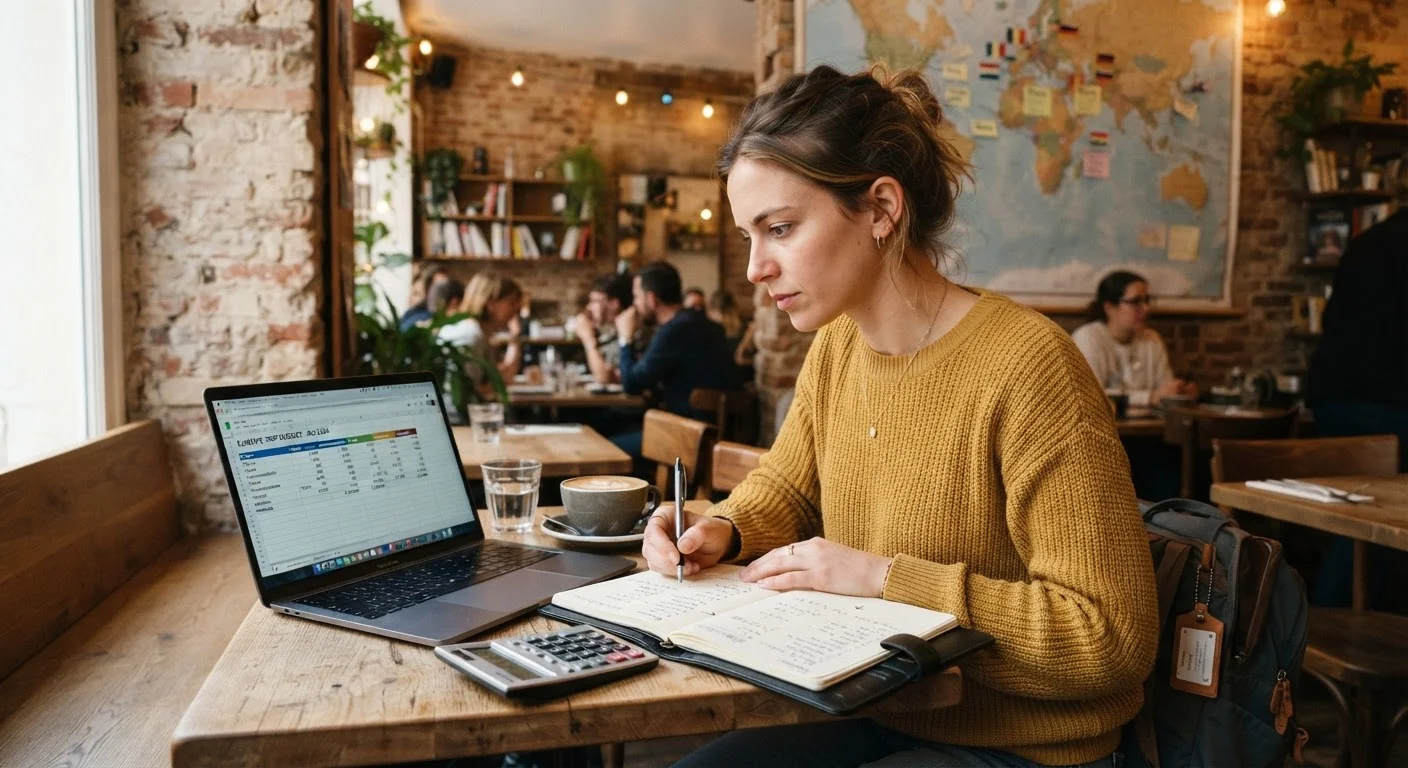
Finally, budget for the hidden costs. Visas, travel insurance, airport transfers, and local transit add up in ways that aren't obvious when you're booking flights. Run the numbers using our breakdown of what first-time travelers forget to budget for so you arrive financially prepared, not caught short.
This article provides general travel information and education. Entry requirements, health regulations, and travel conditions change frequently. Always verify visa, vaccination, and safety requirements with official government sources and your destination country's embassy or consulate before traveling.