
Why Southeast Asia Works for First-Time Travelers
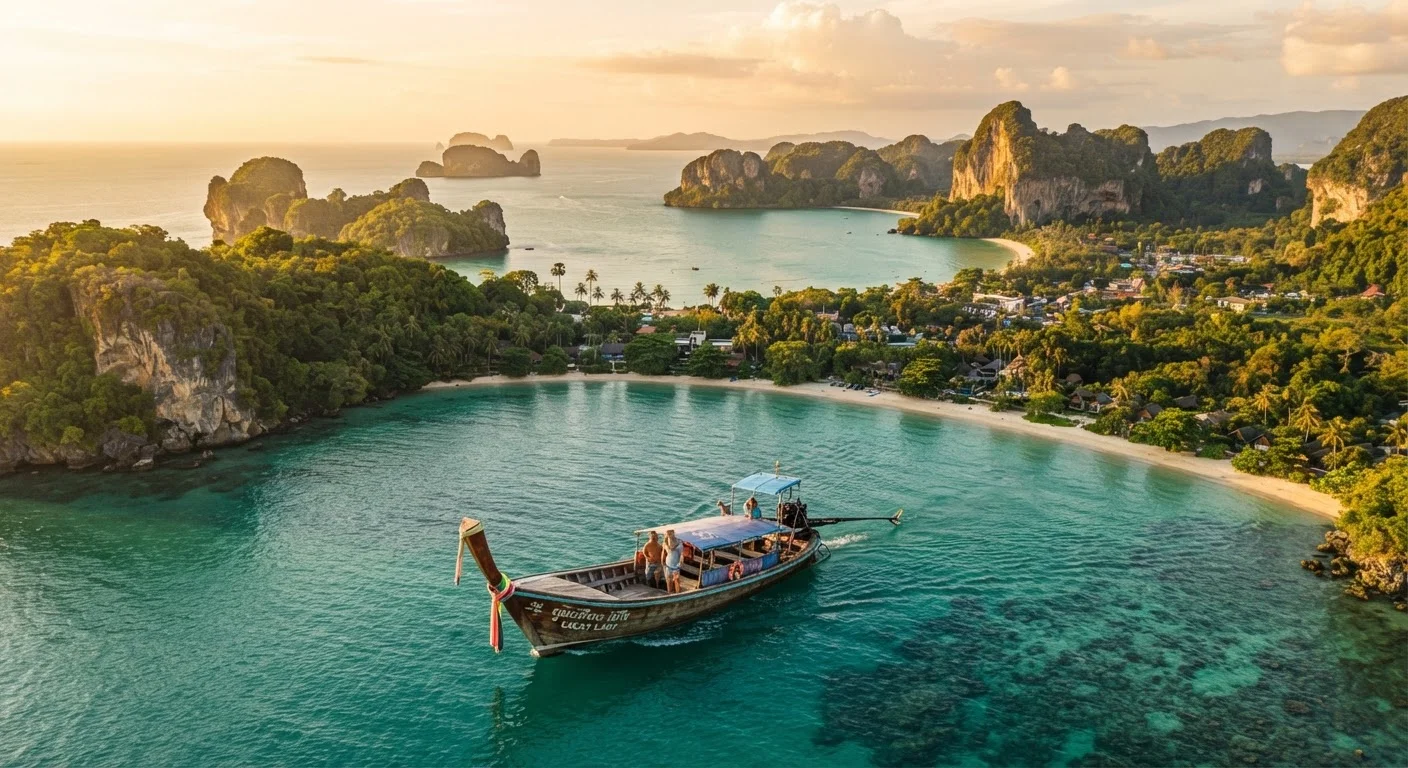
There's a reason Thailand, Vietnam, Bali, and their neighbors consistently appear on first-time international travel lists. The region offers a combination that's hard to find elsewhere: well-developed tourist infrastructure, a wide range of budgets, genuinely varied landscapes — beaches, mountains, ancient temples — and a travel circuit that other first-timers have worn into a reliable path.
That said, "popular" doesn't mean "easy." Southeast Asia is still international travel, with all the preparation that requires. Before you book flights, read our complete logistics primer for first-time international travelers — it covers the foundational mechanics of getting there and back.
Start by picking one or two countries rather than trying to cover five in two weeks. Overloaded itineraries are one of the most common first-timer mistakes, and Southeast Asia's distances and border-crossing logistics can surprise people who underestimate them.
Visa-on-arrival
A visa you obtain at the airport or border when you arrive in a country, rather than applying in advance. Eligibility depends on your passport and the destination's current rules.
Travel advisory
An official government assessment of safety and travel conditions in a foreign country, published to help citizens make informed decisions before visiting.
Travel health clinic
A medical clinic that specializes in travel-related health needs, including vaccines and destination-specific health advice. Recommended before international travel to higher-risk regions.
Visa validity vs. allowed stay
Visa validity is the window during which you can enter a country. Allowed stay is how long you can remain once you've entered — these are two different limits that can cause confusion.
Budget airline
A carrier that offers lower base fares but typically charges separately for checked bags, seat selection, and meals. Common in Southeast Asia for short inter-country routes.
Passport validity requirement
Many countries require your passport to remain valid for at least six months beyond your planned departure date. Failing to meet this can result in denied boarding or entry.
Visas and Entry: What You Need to Know First
Entry requirements in Southeast Asia are not uniform. Each country sets its own rules, and those rules change. As a US passport holder, you may qualify for visa-free or visa-on-arrival entry in several countries, but never assume — always verify directly with the destination country's official embassy or consulate and the US State Department before booking.
Key points to check for each country on your itinerary:
- Allowed length of stay without a visa or on a visa-on-arrival
- Passport validity requirements — many countries require six months of validity beyond your travel dates
- Whether you need to apply in advance or can obtain entry at the border
- Entry and exit fees, which exist at some land border crossings
Our guide on what to check before landing in any new country includes a full pre-arrival checklist that covers visas, currency, and more.
Visa Rules Change — Never Assume
Visa-free agreements between countries are renegotiated, and policy shifts can happen with limited advance notice. Do not rely on travel blogs or forum posts for visa requirements — these go out of date quickly. Always check the official embassy website of each destination country and the US State Department's entry requirements page close to your travel date.
Health, Safety, and On-the-Ground Realities
Visit a travel health clinic — ideally 4–6 weeks before departure — to discuss your specific itinerary and health history. A qualified provider can advise whether any destination-specific vaccines or medications are appropriate for you. This article provides general information only and is not medical advice; always consult a healthcare professional for personal health decisions.
Practical health habits matter too: drink bottled or purified water in most areas, be cautious with raw foods from street stalls if your stomach is sensitive, and carry a small kit with basic supplies. Mosquito-borne illnesses are a real consideration in parts of the region — protective clothing and repellent are commonly recommended.
For safety, the US State Department publishes country-specific travel advisories that are worth reading before finalizing your plans. These advisories cover crime patterns, health risks, regional instability, and other factors that vary significantly across the region.
Pack a Basic Health and Documents Kit
Keep photocopies of your passport, visa documents, and travel insurance information stored separately from the originals — both in your bag and digitally. A small pouch with rehydration salts, pain relievers, and any prescription medications (in original packaging) can save a lot of hassle if you get sick away from a major city.
Money, Transport, and Getting Around
Southeast Asia uses multiple currencies — Thai baht, Vietnamese dong, Indonesian rupiah, and so on — and they are not interchangeable. Plan to exchange currency or use ATMs when you arrive. Cash is still king in many local transactions: street food, markets, small guesthouses, and local transport often don't accept cards.
Notify your bank before leaving, check your card's international fees, and carry some backup cash in US dollars, which can be exchanged widely. Don't rely solely on digital payment apps — infrastructure and connectivity vary.
For getting around within countries, options include domestic flights, trains, long-distance buses, ferries, and ride-hailing apps (which are available in most major cities). Between countries, budget airlines are the most time-efficient option for longer distances. Research current conditions for any overland border crossings you're considering — they can involve multiple steps and varying wait times.
Common things that catch first-time international travelers off guard — like transport logistics and payment realities — are worth reviewing before you finalize your plans.
US State Department Travel Advisories
Official US government safety and entry information for every country. The most reliable source for current visa, health, and security conditions before you travel.
CDC Travelers' Health
The US Centers for Disease Control and Prevention publishes destination-specific health notices, vaccine recommendations, and outbreak alerts relevant to international travelers.
IATA Travel Centre
An industry-maintained database of passport and visa requirements by nationality and destination — useful for a quick reference check, though always verify with official embassy sources.
Cultural Norms Every Visitor Should Respect
Southeast Asia encompasses an enormous diversity of cultures, religions, and customs. Treating that diversity with genuine respect — not just as a backdrop for photos — is both the right approach and the one that leads to better travel experiences.
A few widely applicable principles:
- Temple and religious site etiquette: Dress modestly (shoulders and knees covered) when visiting temples, remove shoes when asked, and follow posted signage. Many sites are active places of worship, not just tourist attractions.
- Gestures and greetings: The traditional greeting varies by country — the Thai wai, for example — and learning even a few words of local language is widely appreciated.
- Bargaining: It's common in markets but should be done respectfully and without aggressive behavior. Understand that for many vendors, these transactions are their livelihood.
- Photography: Always ask permission before photographing people, especially in rural areas or religious contexts. Some sites restrict photography entirely.
Researching the specific customs of each country you plan to visit — not just the region broadly — will set you up for interactions that are respectful and genuinely rewarding.
This article is for general informational and educational purposes only. Entry requirements, health advisories, and travel conditions change frequently. Always verify current visa, health, and safety information with official government and healthcare sources before traveling.