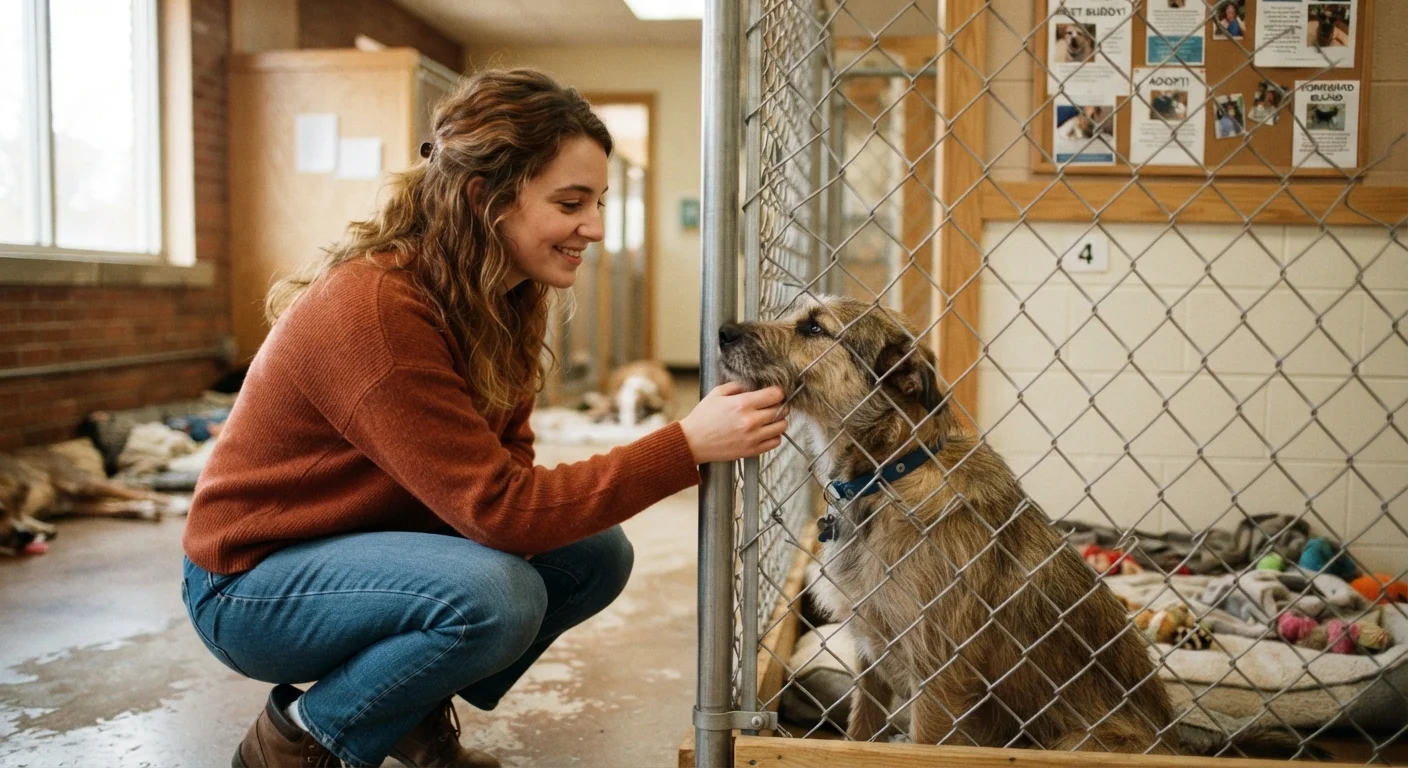


When Does a Pet Become 'Senior'?
The line between adult and senior isn't fixed — it shifts depending on species, breed, and size. Large and giant-breed dogs age faster than small breeds; a Great Dane may be considered senior at 6 or 7, while a Chihuahua may not reach that threshold until 10 or 11. Cats are generally classified as senior around age 10–11, with 'geriatric' applying from about 15 onward.
| Senior threshold for large-breed dogs | Around age 7 (American Veterinary Medical Association general guidelines) |
| Senior threshold for cats | Around age 10–11 (American Association of Feline Practitioners staging guidelines) |
| Recommended vet visit frequency for senior pets | Every 6 months (General veterinary consensus) |
| Proportion of dogs over age 8 affected by osteoarthritis | Estimated 4 in 5 (Commonly cited in veterinary geriatric literature; exact figures vary by study) |
| Most common senior cat condition | Chronic kidney disease (CKD) (American Association of Feline Practitioners) |
| Dental disease prevalence in adult pets | Affects most adult dogs and cats by age 3 (American Veterinary Dental College general estimates) |
The practical takeaway: don't wait for visible decline before adjusting your pet's care routine. Many vets recommend starting more frequent check-ins and routine bloodwork around the senior threshold — well before problems become obvious. See what vets assess at wellness exams to understand what these appointments actually involve.
Health Conditions That Become More Common With Age
Ageing brings a higher likelihood of certain conditions — not inevitably, but often enough that vets screen for them routinely in senior patients.
Joints and Mobility
Osteoarthritis is among the most common and most missed problems in older dogs and cats. Because animals instinctively conceal pain, the signs are often subtle: hesitation before jumping, stiffness after rest, or a general slowing down. If your senior dog seems less enthusiastic about walks, don't assume it's just a mood — it may reflect real physical discomfort. Our article on exercise needs by age and health can help you adjust activity appropriately.
Kidney and Organ Function
Chronic kidney disease (CKD) is especially prevalent in older cats and is frequently detected through routine bloodwork before outward signs appear. Liver function, thyroid levels (particularly in cats), and heart health are also monitored more closely as pets age. This is a key reason why baseline bloodwork — taken while your pet is still healthy — is valuable: it gives your vet a reference point for comparison.
Cognitive Changes
Cognitive Dysfunction Syndrome can affect dogs and cats in their later years. Signs include appearing lost in familiar spaces, vocalising at night, changes in sleep patterns, and less interest in interaction. These can be mistaken for normal ageing but are worth discussing with your vet, as management strategies exist.
Dental Disease
Dental problems accumulate over a lifetime. By senior years, many pets have significant tartar buildup, gum disease, or tooth loss that causes ongoing pain and can affect organ health. Dental health in pets is frequently underestimated — and worth revisiting as your pet ages.
This Article Is General Information, Not Veterinary Advice
The guidance here is educational and intended to help you have better conversations with your vet. Every pet ages differently, and only a qualified veterinarian who knows your individual animal can advise on their specific health needs. If you have concerns about your pet's wellbeing, contact your vet promptly.
Pain Hiding Is Instinctive — Not a Sign Everything Is Fine
Many owners miss early arthritis or illness because their pet doesn't visibly cry out. Animals evolved to conceal vulnerability. Subtle shifts — reluctance to jump, slower rising, increased sleeping — are often the real signals. See why pets hide pain for a deeper look at this behaviour.
How Veterinary Care Should Shift
The standard once-a-year wellness visit is generally designed for healthy adult pets. Once your animal enters their senior years, most vets recommend moving to biannual (every six months) check-ins. This matters because six months represents a significant proportion of a senior pet's lifespan, and conditions like CKD or thyroid disease can progress rapidly.
Every 6 months
Recommended vet check frequency for senior pets
Most veterinary associations recommend biannual wellness exams for animals in their senior years, compared to once yearly for younger adults.
~80%
Estimated dogs over 8 with some degree of osteoarthritis
Arthritis is widely underdiagnosed in senior dogs because animals instinctively mask pain — a gradual slowdown may be the only visible sign.
30%+
Cats over 15 estimated to show signs of CDS
Cognitive Dysfunction Syndrome is thought to affect a significant proportion of very old cats, though it often goes unrecognised as 'just ageing.'
At senior wellness visits, vets typically add or expand:
- Comprehensive bloodwork — assessing kidney and liver function, blood cell counts, and organ markers
- Urinalysis — particularly useful for early kidney disease detection in cats
- Blood pressure measurement — hypertension is common in older cats, especially those with CKD or hyperthyroidism
- Joint and mobility assessment — watching for stiffness, muscle loss, or pain responses
- Weight tracking — both unexplained weight loss and gain can signal underlying issues
Preparing thoughtful questions before each appointment helps you get more from limited consultation time. See questions worth asking your vet for a practical starting list. Knowing which symptoms warrant same-day attention versus careful monitoring at home is equally important — this guide on urgent vs. watchful signs breaks it down clearly.
Geriatric threshold
The age at which a vet considers a pet to be a senior or geriatric animal. This varies significantly by species and breed — large-breed dogs may reach it at age 7, while cats often aren't considered senior until age 10–11.
Baseline bloodwork
A panel of blood tests run when a pet is healthy to establish normal values specific to that individual. Later tests are compared against this baseline to spot meaningful changes.
Cognitive Dysfunction Syndrome (CDS)
A neurological condition in older dogs and cats similar to dementia in humans. Signs include disorientation, disrupted sleep, house-soiling, and reduced interaction with family members.
Chronic kidney disease (CKD)
A progressive loss of kidney function seen commonly in older cats and dogs. Early detection through routine bloodwork and urinalysis allows for management that can slow progression.
Osteoarthritis
A degenerative joint disease causing pain, stiffness, and reduced mobility. It is one of the most underdiagnosed conditions in senior pets because animals often hide discomfort.
Palliative care
Veterinary care focused on managing pain and maintaining quality of life rather than curing a disease. It becomes relevant for pets with chronic or terminal conditions.
This article provides general educational information about senior pet care and is not a substitute for professional veterinary advice. Consult a licensed veterinarian for guidance specific to your pet's individual health needs.