

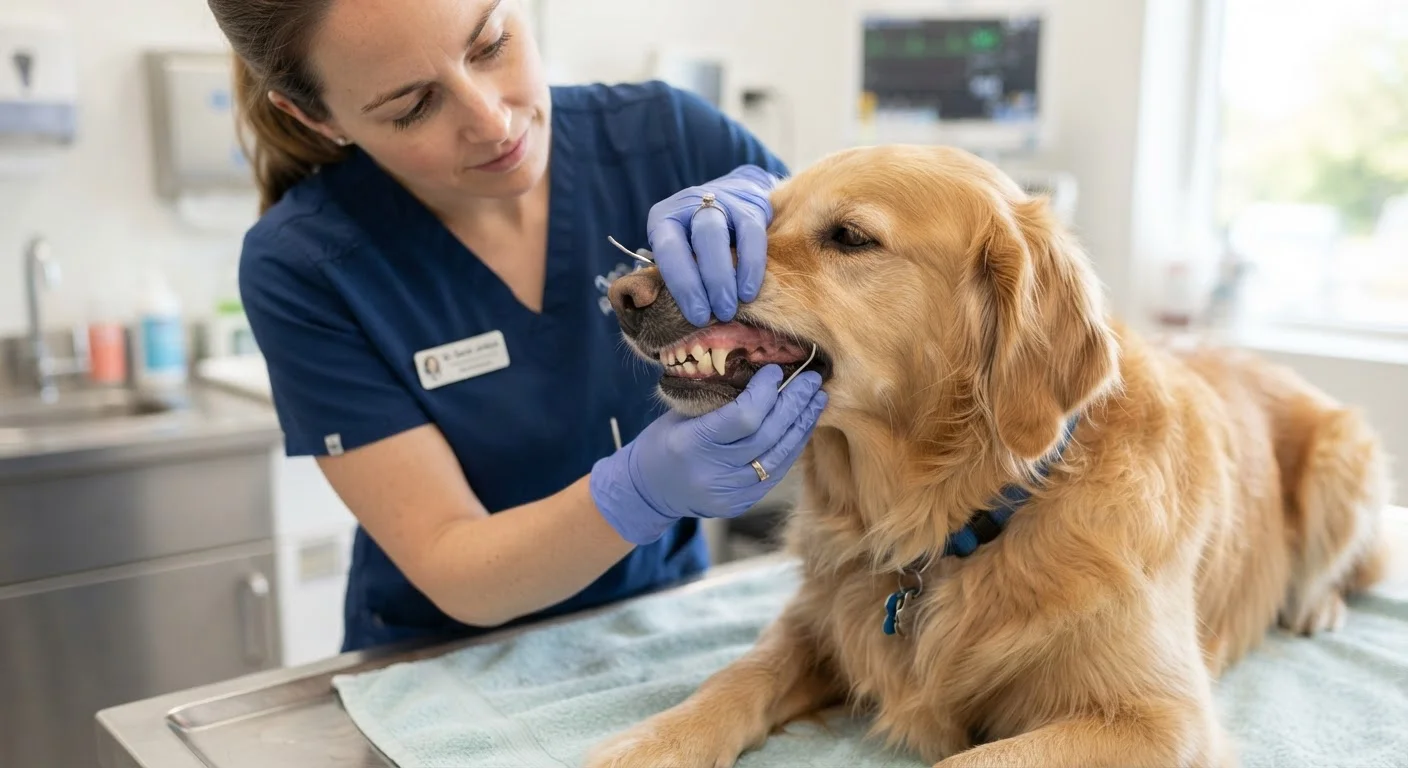
Why Pet Dental Health Gets Ignored
Most new pet owners focus on vaccines, nutrition, and spaying or neutering — all important. But oral health rarely makes the mental checklist. Partly this is because dental problems in pets are largely invisible: animals don't open their mouths to complain, and early disease produces few dramatic symptoms.
There's also a widely held misconception that bad breath is just a normal pet smell. It isn't. Persistent odor from your pet's mouth is almost always a sign of bacterial activity — and worth discussing with a vet. You can learn more about this and similar misunderstandings in our guide to common pet health myths.
Dental Disease Affects Most Adult Pets
Veterinary organizations estimate that a significant majority of dogs and cats show signs of periodontal disease by age three. Because animals instinctively hide discomfort, many owners are genuinely unaware their pet is affected. Regular oral exams — both at home and at the vet — are the best way to catch problems early.
How Dental Disease Develops — and Why It Matters
Plaque — a sticky layer of bacteria — forms on tooth surfaces within hours of eating. Left undisturbed, it mineralizes into tartar (also called calculus) within days. Tartar is rough-surfaced, harbors more bacteria, and cannot be brushed away once it has hardened. The bacteria then work under the gum line, causing periodontal disease: inflammation and infection of the gum tissue and the bone that anchors the teeth.
Beyond tooth loss, advanced oral infection has been associated with changes in kidney, liver, and heart tissue in some animals, though research into the exact mechanisms is ongoing. The key takeaway is that the mouth is not an isolated system.
“The mouth is the gateway to the body. Bacteria from periodontal disease don't stay local — they can enter the bloodstream and affect distant organs. Oral health is whole-body health.”
— American Veterinary Medical Association, National veterinary professional organization
Oral disease is also graded on a 0–4 scale by veterinarians — most pets that owners think of as "fine" are already at stage 1 or 2 by early adulthood. Understanding what vets look for during check-ups is covered in our article on your pet's annual wellness exam.
Best Practices for Home and Professional Dental Care
The good news is that dental disease is largely preventable with consistent habits. The practices below are grounded in veterinary guidance and apply to both dogs and cats, though individual needs vary by species, breed, age, and diet. Always confirm any care routine with your own vet.
Brush your pet's teeth daily using a pet-safe toothpaste.
Daily brushing physically removes plaque — the soft bacterial film that hardens into tartar within days. Human toothpaste contains ingredients such as fluoride and xylitol that are toxic to animals, so species-appropriate toothpaste is essential. Consistency matters far more than technique; even gentle brushing done regularly makes a measurable difference.
Schedule annual veterinary oral exams and follow professional cleaning recommendations.
Tartar below the gum line cannot be removed by brushing alone and requires a professional cleaning performed under general anesthesia. Skipping recommended cleanings allows bacterial infection to advance, potentially affecting the jaw bone and surrounding tissue. Your vet can assess what interval is appropriate for your individual pet.
Learn to recognize the early warning signs of dental disease at home.
Pets rarely stop eating even when experiencing significant oral pain, so behavioral changes can be subtle. Noticing problems early gives your vet more options and typically means less complex treatment. A monthly home mouth check takes less than a minute once your pet is comfortable with it.
Use vet-approved dental supplements as an adjunct — not a replacement — to brushing.
Products like water additives, dental chews, and certain diets can modestly reduce plaque if your pet resists brushing, but none replicate the mechanical cleaning of a brush on the gum line. The Veterinary Oral Health Council (VOHC) awards a seal to products that meet evidence-based standards for plaque or tartar reduction — looking for that seal is a reasonable starting point.
Introduce oral care routines during puppyhood or kittenhood whenever possible.
Young animals are generally more adaptable and can learn to accept mouth handling as a normal, unremarkable interaction. Pets adopted as adults can still be trained, but the process typically takes longer and requires more patience. Positive reinforcement — treats, praise, and short sessions — makes acceptance far more likely.
Getting Started: Quick Wins for Today
If you've never thought much about your pet's teeth before, that's okay — it's genuinely easy to get started. The following actions require no equipment and take only a few minutes.
Dental health is one component of the broader preventive care picture. For a full overview of what routine preventive steps involve, see our guide on vaccinations, desexing, and microchipping. And if your pet is getting older, note that dental disease often worsens with age — our article on senior pet health needs addresses what to watch for as animals age.
This article provides general educational information about pet dental health and is not a substitute for professional veterinary advice. Always consult a licensed veterinarian regarding your pet's individual health needs.