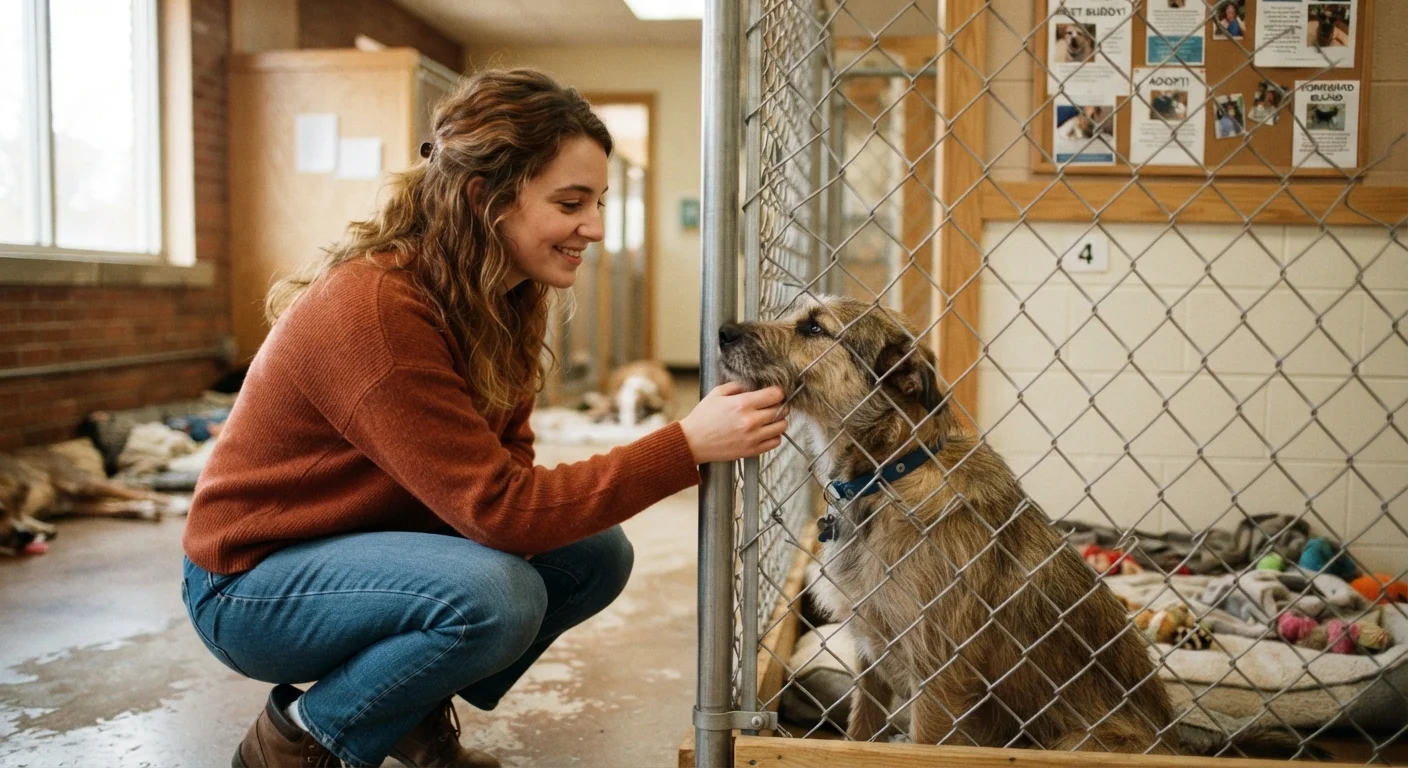


Why Body Language Is Your Pet's Primary Health Signal
Pets experience pain and illness just as people do — they just can't describe it. Instead, they communicate distress through physical posture, facial expressions, movement changes, and altered social behaviour. For new owners, recognising these signals early can mean the difference between catching a problem quickly and missing it entirely.
Understanding what normal looks like for your specific pet is the starting point. Baseline behaviour varies between species, breeds, and individual animals. Once you know your pet's typical energy level, posture, eating habits, and social tendencies, deviations become much easier to spot.
Many animals are also instinctively motivated to conceal signs of weakness. Learn more about why pets hide pain and how that instinct can delay your awareness of a problem. This makes regular, attentive observation an essential part of responsible ownership.
| Most common pain signal in dogs | Postural changes (hunching, limping, guarding) (General veterinary behavioural consensus) |
| Most common pain signal in cats | Hiding, reduced grooming, or changes in facial expression (Feline grimace scale research, veterinary literature) |
| Appetite change threshold | Missing more than 1–2 meals warrants veterinary contact (General small animal care guidelines) |
| Gum colour in healthy pets | Pink and moist (dogs and cats) (Standard veterinary physical exam criteria) |
| Key observation habit | Daily hands-on check of coat, posture, and energy level (Preventive care recommendations, general practice) |
Common Physical and Behavioural Cues by Body System
Rather than looking for a single dramatic sign, focus on clusters of changes across different body systems. The following cues — across posture, face, movement, and behaviour — are among the most reliable indicators that something may be wrong.
Posture and Movement
- Hunched or tucked posture: A cat or dog holding their back arched, belly drawn up, or standing unusually still may be guarding an area of pain.
- Reluctance to move, jump, or use stairs: Particularly in pets that were previously active; this often signals joint discomfort, injury, or internal pain.
- Limping or uneven gait: Any change in how your pet walks or bears weight warrants attention. Even intermittent limping shouldn't be dismissed.
- Restlessness or inability to get comfortable: Circling, repeatedly lying down and getting back up, or pacing can indicate abdominal pain or discomfort.
Facial and Vocal Cues
- Squinted or partially closed eyes: Often a sign of pain or eye irritation; a healthy, comfortable pet typically holds their eyes open and alert.
- Ears flattened or pulled back: Context matters — this can also signal fear — but combined with other cues, it may indicate discomfort.
- Vocalising without clear cause: Whimpering, growling when touched, or unusual vocalisation during normal handling can signal pain at a specific location.
- Excessive licking or chewing a specific area: Pets frequently target a painful or irritated spot; persistent self-directed grooming can reveal a hidden wound or internal issue.
Social and Appetite Changes
- Withdrawal from family or hiding: A social pet that suddenly retreats or hides is showing a classic pain-avoidance behaviour.
- Reduced appetite or water intake: Skipping one meal isn't always alarming, but consistent disinterest in food is a meaningful signal.
- Aggression when touched in a specific area: If a normally gentle pet snaps or growls when you touch a particular body part, that area likely hurts.
Behavioural changes like hiding or aggression are often messages about physical discomfort, not disobedience.
Guarding behaviour
When a pet protectively holds a specific body part tense, still, or away from contact to avoid pain. Common examples include a dog holding one paw off the ground or a cat keeping its belly low to the floor.
Pain posture
A distinctive body position adopted to minimise discomfort, such as a hunched back, tucked abdomen, or stiff, weight-shifted stance. It signals an animal is experiencing discomfort somewhere in its body.
Baseline behaviour
Your individual pet's normal patterns of activity, appetite, posture, and social engagement. Knowing your pet's baseline makes it easier to notice when something has changed.
Vocalisation
Any sound a pet makes — whimpering, growling, yowling, or yelping. Unexpected vocalisation, especially during touch or movement, is a common indicator of pain.
Withdrawal
When a normally social pet avoids contact, hides, or stops engaging with family members. This is a classic stress or pain-avoidance response and should not be ignored.
When to Act — and How Urgently
Not every change in behaviour is a veterinary emergency, but some combinations of signs warrant same-day attention. Understanding which signs need urgent care versus monitoring at home is a skill every owner should develop.
Contact your veterinarian promptly if your pet shows any of the following:
- Difficulty breathing, open-mouth breathing in cats, or laboured panting in dogs at rest
- Collapse, extreme weakness, or inability to stand
- Pale, white, blue, or grey gums
- Suspected ingestion of a toxic substance
- Seizures or prolonged disorientation
- Inability to urinate, especially in male cats
For subtler or gradual changes — mild appetite reduction, slight lethargy, minor limping — monitor closely for 24 hours. If the behaviour persists or worsens, call your vet. Older animals deserve extra attention; senior pets often show health changes more quietly and may need more frequent check-ins.
When in doubt, a call to your veterinary clinic is always appropriate. You don't need to be certain something is wrong to ask a professional opinion. Review the full list of warning signs and when to call a vet for a comprehensive reference.
This article is for general informational purposes only and is not a substitute for professional veterinary advice. Always consult a licensed veterinarian if you are concerned about your pet's health.