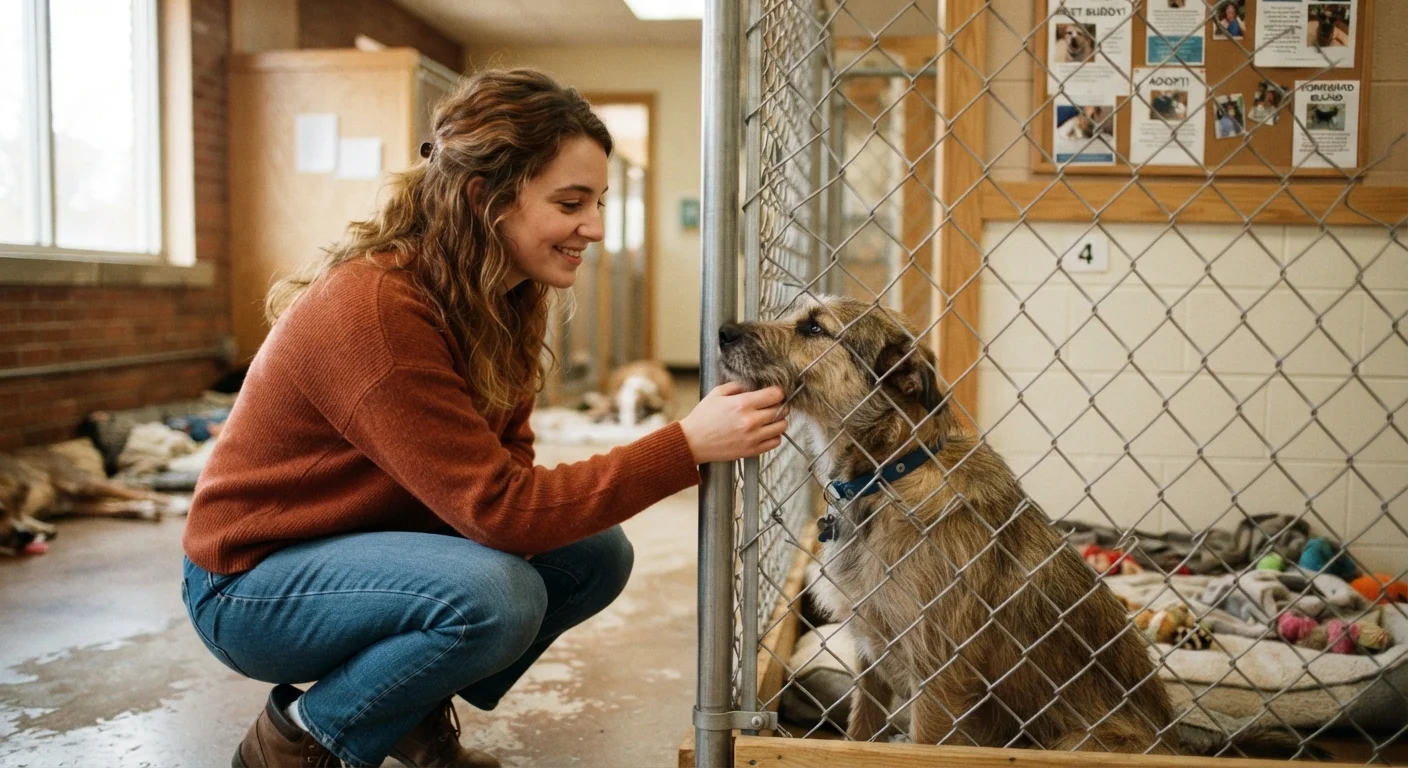


Behaviour Is Language
Pets cannot tell you they are bored, scared, in pain, or overwhelmed. What they can do is show you — through chewing, hiding, excessive noise, aggression, or changes in elimination habits. The mistake many new owners make is interpreting these signals as "bad behaviour" and responding with frustration rather than curiosity.
The more useful question is not how do I stop this? but what is this behaviour telling me? That shift in perspective is the foundation of good pet ownership. For a deeper look at physical cues that accompany behavioural changes, see our guide on reading your pet's body language when they're unwell.
Common Myths Can Mislead Owners
Some popular ideas about why pets misbehave — such as the notion that they act out for revenge or to assert dominance — are not supported by current animal behaviour science. Acting on these misconceptions can make behaviour worse. For a broader look at evidence-based pet care, our article on pet health myths that new owners often believe separates fact from fiction.
The Most Common Behaviours — and Their Likely Messages
Destructive Chewing or Scratching
In dogs, chewing is often a response to boredom, anxiety, teething in puppies, or insufficient exercise. In cats, scratching furniture is a normal territorial and physical need — the absence of appropriate scratching surfaces redirects it to your couch. Ask: is my pet getting enough mental and physical stimulation each day?
Hiding or Withdrawal
When a normally social pet retreats and avoids contact, it frequently signals fear, illness, or pain. Animals instinctively conceal vulnerability, which means hiding can be one of the earliest indicators that something is wrong. Learn more in our article on why pets hide pain and what owners miss because of it.
Excessive Vocalization
Persistent barking, meowing, or whining points to unmet needs: hunger, attention, discomfort, or anxiety. In senior pets, increased vocalization can signal cognitive decline or sensory loss. New or escalating noise warrants a vet visit, not just a training plan.
Aggression
Aggression is almost always rooted in fear, pain, resource guarding, or a past negative experience — not dominance or malice. Biting or growling from a previously gentle pet is a red flag that something has changed internally or environmentally. Do not attempt to physically correct an aggressive animal; consult a veterinarian or certified animal behaviourist.
#1
Reason pets are surrendered to shelters
Behavioural issues are consistently cited as a leading cause of pet relinquishment, according to shelter intake surveys — most of which are addressable with early intervention.
~30%
Dogs affected by separation anxiety
Research estimates that roughly 20–40% of dogs seen by veterinary behaviourists show signs of separation anxiety, one of the most common triggers for destructive behaviour.
Early
When intervention is most effective
Animal behaviour specialists consistently note that addressing problem behaviours at first appearance — rather than waiting — leads to better outcomes for both pet and owner.
Health First — Why Ruling Out Medical Causes Matters
Behavioural changes are one of the clearest indicators that a pet may be unwell. A dog that suddenly snaps when touched may be protecting a painful area. A cat that stops using its litter box may have a urinary tract issue. A rabbit that thumps repeatedly may be experiencing physical discomfort it cannot otherwise communicate.
Before assuming a behaviour is a training problem, eliminate medical causes. Our article on signs your pet may be unwell and when to call a vet outlines what to watch for and when to act. Treating a medical issue won't just resolve the symptom — it will often resolve the behaviour alongside it.
Build a Behavioural Baseline Early
In the first weeks with a new pet, take note of what 'normal' looks like — eating habits, sleep patterns, energy levels, and social behaviour. When something shifts, you'll have a clear reference point. This makes it much easier to describe changes accurately to your vet and catch problems before they escalate.
Environmental and Routine Triggers
Many acting-out behaviours trace back to changes in the home: a new baby, a move, a new pet, or even a shift in your work schedule. Animals thrive on predictability. When their routine is disrupted, anxiety rises — and anxiety expresses itself through behaviour.
Common environmental triggers include:
- Insufficient daily exercise or mental stimulation
- Inconsistent feeding or sleep schedules
- Lack of appropriate outlets (scratching posts, chew toys, enrichment puzzles)
- Overcrowding or lack of safe retreat spaces
- Loud noise, unfamiliar visitors, or household conflict
Identifying what changed before the behaviour started is often the fastest route to a solution. Keep a simple log of when and where the behaviour occurs — patterns usually emerge within a week.