

Why the Distinction Matters
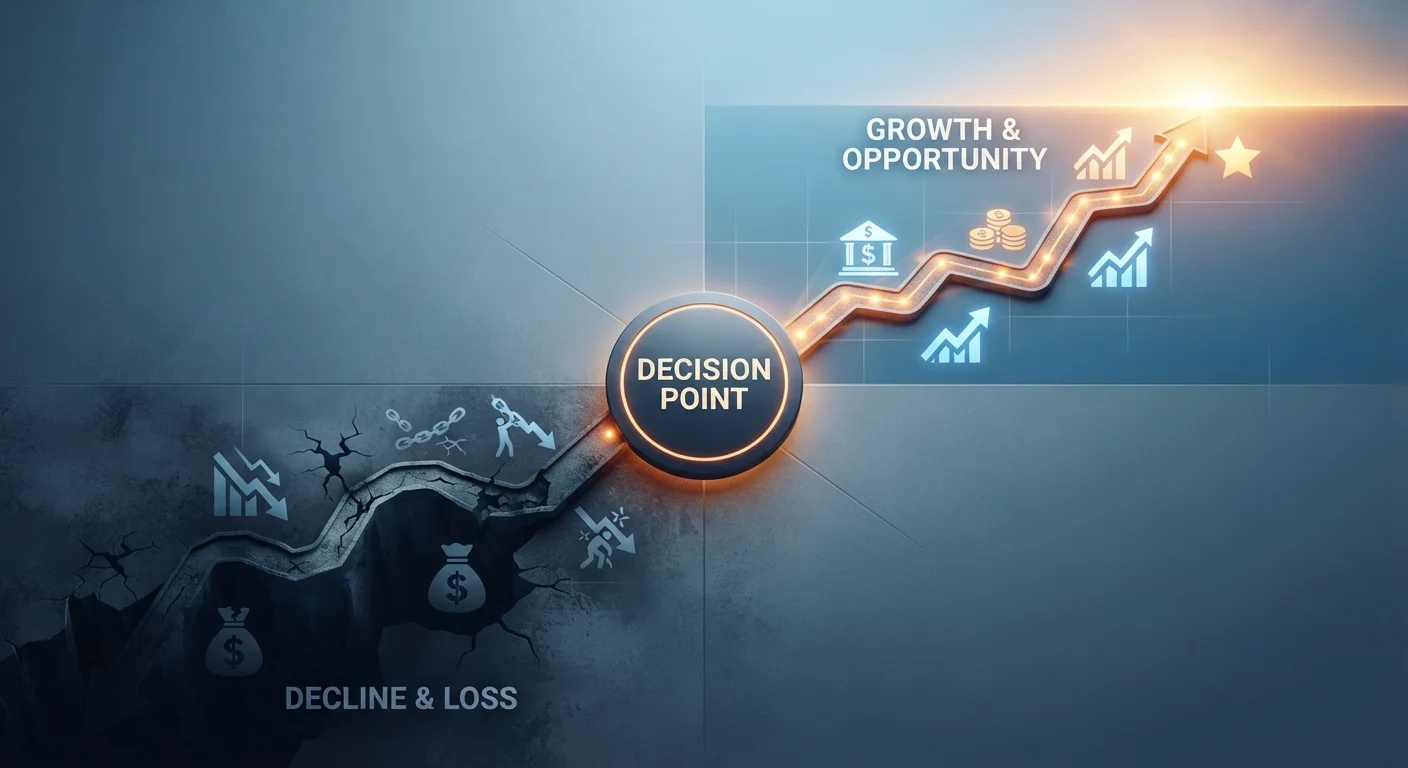
Many young adults grow up hearing one simple message about debt: avoid it. That instinct is understandable, but it can lead to confusion when real life arrives — student loans, car payments, and eventually mortgages are all forms of debt, yet they work very differently from a maxed-out credit card.
Understanding the difference between debt that can work for you and debt that works against you is one of the most practical financial skills you can develop. It helps you make borrowing decisions with clarity instead of anxiety, and it prevents you from treating all debt as equally harmful — or equally harmless.
Good Debt Still Has to Be Repaid
Even borrowing with a clear purpose carries real obligations. Missing payments on any type of debt — including student loans and mortgages — damages your credit history and can have serious financial consequences. The 'good' label reflects potential, not a guarantee. Early credit habits matter more than many people realize; see which early credit habits are hardest to reverse.
This article provides general financial education and is not personalised financial advice. For decisions specific to your situation, consider speaking with a qualified financial professional.
What Makes Debt 'Good'
Good debt is generally borrowing that funds something likely to increase in value or improve your ability to earn over time. A few common examples:
- Student loans: Education can expand your career options and income potential. Federal student loans often carry lower interest rates and flexible repayment options compared to other forms of borrowing.
- Mortgages: Borrowing to buy a home gives you an asset that may appreciate over decades, and mortgage interest rates are typically much lower than consumer debt.
- Small business loans: Borrowing to start or grow a business can generate income that far exceeds the cost of the loan — though this also carries risk.
The key pattern is a reasonable interest rate combined with a clear return on the borrowing — whether that return is financial, professional, or in the form of a long-term asset.
Look at the Total Cost, Not Just the Monthly Payment
A low monthly payment can hide a high total cost if the loan runs for many years. Before agreeing to any debt, calculate the total amount you will repay — principal plus all interest. Many lenders are required to disclose this figure, so ask for it if it is not clearly shown.
What Makes Debt 'Bad'
Bad debt is typically borrowing to pay for things that lose value quickly and come with high interest rates. The most common example is carrying a revolving balance on a credit card.
When you buy a new television, a round of restaurant meals, or a vacation on credit and don't pay the balance off in full, the cost of those purchases grows every month through interest. You end up paying significantly more than the original price — for something that provided no financial return.
High-interest personal loans used for non-essential spending follow the same logic. The faster the purchased item loses value and the higher the interest rate, the more clearly the debt falls into the 'bad' category. If you want to understand how credit products differ at a foundational level, see our guide to debit vs. credit cards.
The Gray Area: Context Changes Everything
The good/bad framework is a useful starting point, but it is not a rigid rule. A car loan is a common example of debt that sits in the middle: a car loses value the moment you drive it off the lot, yet most people need reliable transportation to earn an income. The question shifts from 'is this good or bad?' to 'is this necessary, and is the cost manageable?'
Similarly, student debt that would be reasonable for one career path might be excessive for another. The amount borrowed, the interest rate, and your realistic repayment timeline all shape whether a loan helps or hurts your financial picture. You can read more about common credit misconceptions that affect how people think about borrowing.
~43M
Americans with federal student loan debt
According to Federal Student Aid data, tens of millions of borrowers carry federal student loans — making it one of the most common forms of debt in the US.
20%+
Typical annual credit card interest rate
The Consumer Financial Protection Bureau has reported that average credit card interest rates have risen well above 20% APR, making unpaid balances expensive to carry.
Before You Borrow: Questions Worth Asking
Regardless of whether a debt might be categorized as 'good' or 'bad,' applying a basic checklist before signing anything protects you from overextending yourself. Ask:
- What is the total cost of this debt, including all interest and fees?
- Does this purchase or investment have a realistic chance of returning value — financial or otherwise?
- Can I comfortably make the monthly payments without straining my budget?
- Are there lower-interest alternatives available?
Our self-assessment checklist before taking on debt walks through these questions in more detail. And if you already carry debt and want a plan for paying it down, see our comparison of the snowball and avalanche repayment methods.
This article is for general informational and educational purposes only. It is not personalised financial, legal, or tax advice. Please consult a qualified financial professional before making borrowing or repayment decisions.