
Why Coverage Gaps Surprise New Policyholders
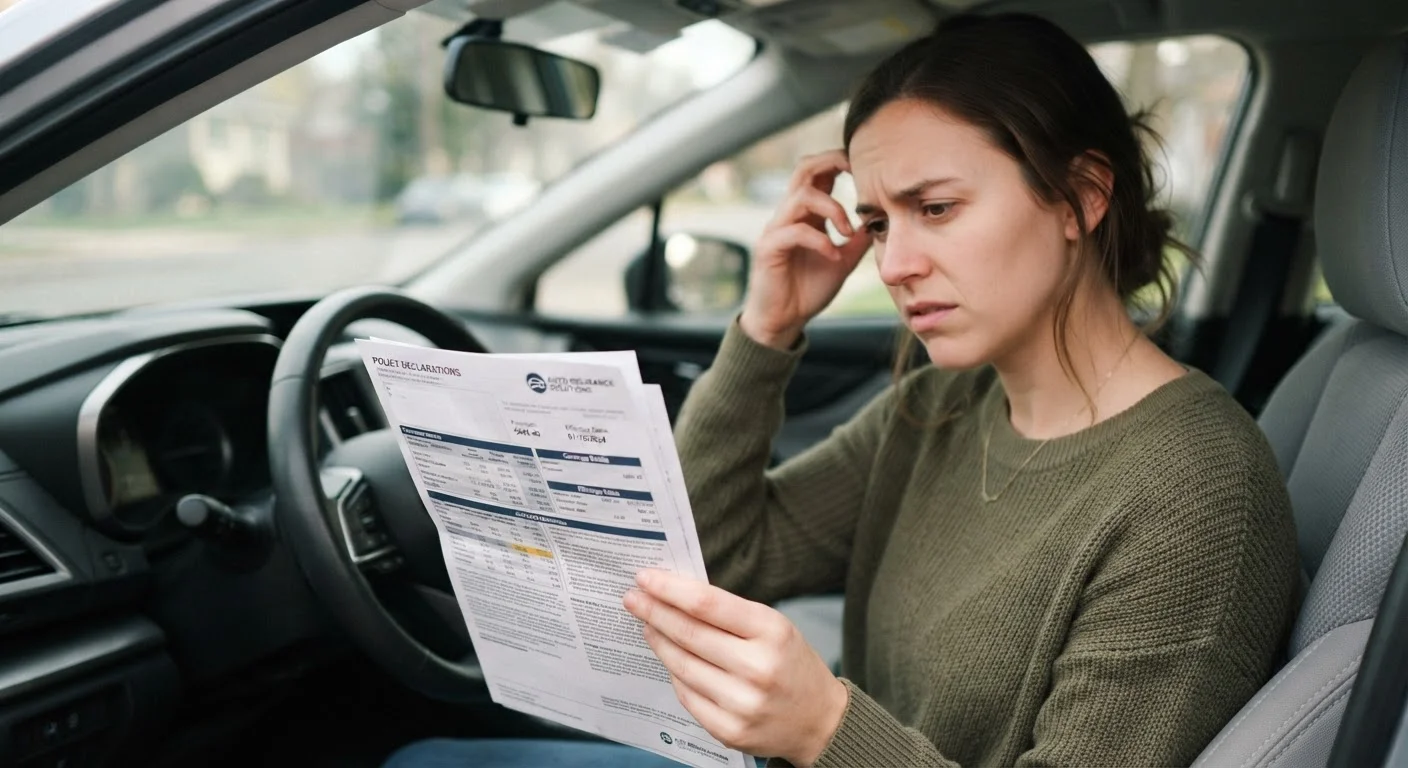
Shopping for auto insurance for the first time often feels like a checkbox exercise: pick a plan, pay the premium, move on. But the fine print in a policy defines not just what's covered - it defines what isn't. And for most first-time buyers, those exclusions only become visible after something goes wrong.
The frustrating reality is that auto insurance is highly specific in scope. It's designed to cover vehicle-related liability and physical damage - under conditions that your policy spells out. Many of the scenarios new drivers worry about fall outside that scope entirely. Understanding where the edges are before you need coverage is the whole point of reading your policy now, not later.
Before you finalize any policy, the pre-purchase checklist for young drivers can help you ask the right questions about exclusions and limits before you sign.
Your Policy Covers the Car, Not Your Stuff
Auto insurance is designed to cover vehicle-related losses and liability - not the laptop, camera, or cash sitting in your back seat. If personal items are stolen from your car, you'll generally need to file a claim under renters or homeowners insurance instead. If you don't have either of those policies, you could be entirely uncompensated. This is one of the most common surprises first-time policyholders face after a break-in.
The Most Common Coverage Assumptions That Don't Hold Up
The mistakes below aren't unusual or careless - they reflect what most new policyholders genuinely believe about how insurance works. Each one has a straightforward fix once you know what to look for.
Assuming your policy automatically covers whoever drives your car.
Why it happens: New policyholders often think insurance follows the driver, but in most states, coverage follows the vehicle - with important conditions attached.
Expecting auto insurance to replace personal items stolen from the vehicle.
Why it happens: It's a natural assumption: your car was broken into, so the car insurance should handle it. Most policies explicitly exclude personal property from auto coverage.
Using a personal vehicle for rideshare or delivery without additional coverage.
Why it happens: The line between personal and commercial use feels blurry when you're just 'giving rides' or 'dropping off packages,' but insurers draw a clear distinction.
Skipping uninsured or underinsured motorist coverage to save on premiums.
Why it happens: When premiums feel tight, optional-seeming coverages look like easy cuts - but uninsured motorist (UM) coverage is one of the highest-value protections available.
Assuming a rental car is covered under your existing personal policy.
Why it happens: Sometimes it is - and sometimes it isn't. Coverage for rental cars depends on your specific policy terms and which coverages you carry.
Minimum Coverage Isn't the Same as Full Protection
State-minimum liability coverage fulfills your legal obligation to drive, but it only pays for damage and injuries you cause to others. It does nothing for your own vehicle if you're at fault or if an uninsured driver hits you. If you're financing or leasing a car, your lender almost certainly requires comprehensive and collision coverage anyway - dropping to minimum-only mid-term could violate your loan agreement.
If you're weighing whether to stay on a parent's policy or get your own, that decision also affects which gaps apply to you. See what changes either way for a full breakdown.
Filling the Gaps: Add-Ons and Next Steps
Several of the gaps above can be addressed with optional coverage add-ons, sometimes called endorsements or riders. These include things like rental reimbursement (which pays for a loaner while your car is repaired), rideshare endorsements, and GAP insurance if you're financing a newer vehicle. None of these are automatically included - each has to be selected deliberately.
1 in 8
Drivers on U.S. roads are uninsured
According to the Insurance Research Council, roughly one in eight U.S. drivers carries no insurance, making uninsured motorist coverage a meaningful consideration.
~$3,000
Average out-of-pocket cost after an at-fault crash without collision coverage
Industry estimates suggest repair costs for a moderate collision frequently exceed several thousand dollars, an amount that can blindside drivers who assumed liability-only was sufficient.
For a plain-language explanation of what optional coverages do and when they're worth considering, the guide to GAP, roadside, and rental coverage walks through each one clearly.
And if something has already happened - if you're now dealing with a claim - what happens after a claim explains how the process typically works, step by step.
This article is for general informational purposes only and does not constitute personalized insurance, legal, or financial advice. Coverage terms, exclusions, and regulations vary by provider and by state. Always read your actual policy documents carefully and consult a licensed insurance agent for guidance specific to your situation.