
Why Home Grooming Matters — and Where It Gets Complicated
Regular grooming isn't just about keeping your pet looking tidy. It supports skin health, reduces shedding, lets you spot lumps or parasites early, and builds trust between you and your animal. For new pet owners, that sounds straightforward — until you're holding a squirming cat or a dog who'd rather be anywhere else.
The honest truth is that most routine grooming is beginner-friendly, but a handful of tasks carry real injury risk if done incorrectly. Knowing which is which helps you build a confident home care routine without accidentally causing harm. If you're also figuring out similar limits elsewhere, the same principle applies: our guide on DIY home maintenance limits covers how to think about that line in a different context.
Safe to Do at Home: Building Your Routine
The following tasks are well within reach for most new owners, provided you use appropriate tools and go at your pet's pace.
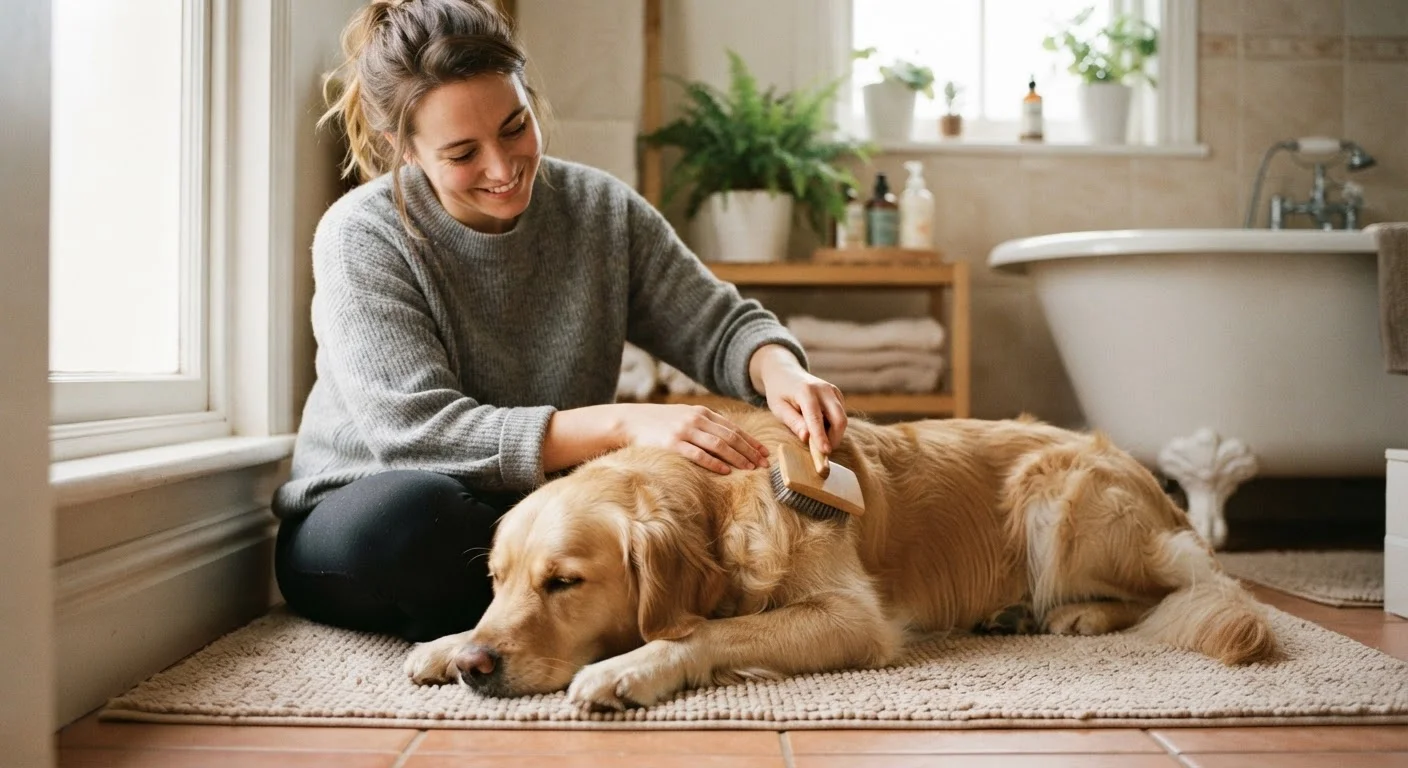
Brush your pet regularly using a tool suited to their coat type
Regular brushing removes loose fur, distributes natural oils, and gives you a chance to check for lumps, ticks, or skin irritation early. Using the wrong brush can scratch the skin or pull painfully, so matching tool to coat matters.
Bathe your pet at a frequency appropriate to their species and lifestyle
Over-bathing strips protective oils from the skin and coat, leading to dryness and irritation. Most dogs need a bath every four to six weeks, though this varies; cats typically self-groom and rarely need baths unless they've gotten into something harmful.
Trim nails incrementally, taking only the curved tip each time
Cutting too far back reaches the quick — the blood vessel inside the nail — which is painful and causes bleeding. Trimming small amounts more frequently is safer than infrequent deep cuts, and keeps your pet comfortable with the process.
Clean ears gently using a vet-approved cleaner and cotton balls
Routine ear cleaning removes surface wax and debris, reducing the chance of infection, particularly in floppy-eared breeds. Inserting cotton swabs into the ear canal can compact debris and cause damage.
Use positive reinforcement throughout every grooming session
Associating grooming with treats and calm praise reduces resistance over time, making the process less stressful for both of you. Forcing a frightened pet through grooming can create lasting negative associations that are hard to reverse.
Before you dive in, a quick note: common myths about pet health can trip up even well-meaning owners, so it's worth separating fact from habit as you build your routine.
Start Grooming Early in Your Pet's Life
Introducing grooming when a pet is young — or in the first weeks after adoption — makes a significant difference in long-term tolerance. Even if your puppy or kitten doesn't need much grooming yet, brief, positive handling sessions teach them that brushes, nail clippers, and being touched are normal and safe. Go slowly, reward generously, and stop before your pet becomes overwhelmed.
Where to Stop: Tasks That Belong With a Professional
Some grooming tasks look simple on video but carry meaningful risk of pain, infection, or injury — especially for a pet that isn't fully cooperative.
- Anal gland expression: These small scent glands near your pet's rear can become impacted or infected. Expressing them incorrectly can cause rupture or introduce bacteria. A vet or trained groomer should handle this unless you've received hands-on instruction.
- Dental scaling: Scraping tartar from teeth with metal tools requires anesthesia in a clinical setting to be done safely and thoroughly. At-home dental scaling tools sold online are not a substitute and can damage enamel.
- Removing deep mats: Matted fur close to the skin can hide wounds or irritated tissue underneath. Cutting blindly risks cutting your pet. A groomer with proper equipment and experience is far safer.
- Ear problems beyond routine cleaning: If you see redness, dark discharge, or your pet is scratching at their ears persistently, that's a vet visit — not a cleaning job. Pushing debris deeper with a cotton swab can worsen an infection.
For an overview of when to escalate grooming-related concerns to a veterinary professional, the Pet Health & Vet hub is a useful starting point.
When Grooming Resistance Is a Red Flag
Most pets will resist grooming to some degree, especially early on. But sudden or intense resistance — particularly around a specific body part — can indicate pain or a health issue rather than just stubbornness. If your pet yelps, snaps, or seems unusually distressed when you touch a certain area, pause the session and schedule a vet check before continuing. Don't push through resistance that seems out of character.
Quick Wins to Start Today
You don't need to tackle everything at once. Start small, build positive associations, and expand your routine gradually.
~65%
Pet owners who groom at home regularly
Industry surveys consistently find that a majority of dog and cat owners perform at least some grooming tasks themselves between professional appointments.
4–6 weeks
Typical nail trim interval for dogs
Veterinary guidance generally recommends trimming dog nails every four to six weeks to prevent overgrowth affecting posture and joint health.
Setting Up for Success
The environment you groom in matters almost as much as technique. A non-slip surface, good lighting, and having everything within arm's reach before you start will reduce fumbling and keep your pet calmer. Keep sessions short at first — five minutes of positive experience beats thirty minutes of stress.
If your pet is particularly reactive during grooming, it's worth ruling out a physical cause. Pain from arthritis, skin conditions, or ear infections can make normally tolerable handling feel unbearable. Your vet is the right person to consult if behavior suddenly changes. You can also review how to create a safe home environment for a new pet to make sure your grooming setup doesn't introduce new hazards.
This article provides general pet care information and is not a substitute for advice from a licensed veterinarian. If you have concerns about your pet's health or behavior during grooming, consult a qualified vet.