

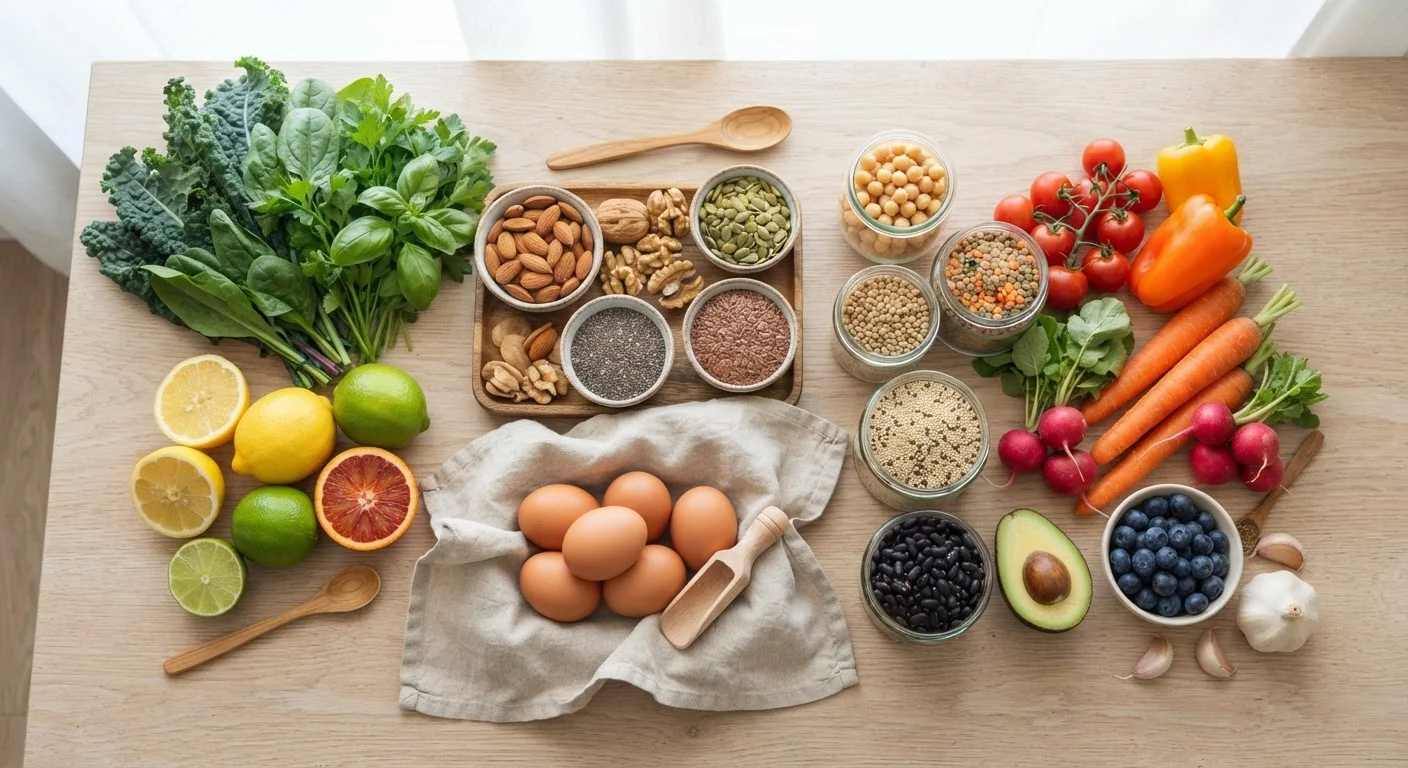
What Are Micronutrients and Why Do They Matter?
If you've ever wondered why nutrition labels list vitamins and minerals alongside calories, this guide is for you. Unlike macronutrients like carbs, protein, and fat, micronutrients don't provide energy directly - but your body absolutely depends on them to function. They drive hundreds of biological processes: building bones, converting food into usable fuel, supporting immune defenses, and keeping your nervous system firing correctly.
The term micronutrients simply means nutrients your body needs in relatively small amounts - measured in milligrams or micrograms rather than grams. Two main categories exist: vitamins (organic compounds made by living things) and minerals (inorganic elements that come from the earth and water). Neither category replaces the other; your body needs both, and they often work together.
This article is part of a broader beginner's guide to eating well - a useful companion if you're building nutrition knowledge from scratch.
Micronutrients
Vitamins and minerals needed by the body in small quantities to support essential biological functions. They do not provide energy (calories) but are critical for processes like immune defense, bone health, and metabolism.
Fat-soluble vitamins
Vitamins A, D, E, and K, which are absorbed alongside dietary fat and stored in the body's fat tissue and liver. Because they accumulate, both deficiency and excessive intake can have health implications.
Water-soluble vitamins
Vitamin C and the B vitamins, which dissolve in water and are not stored in significant amounts. Excess is excreted in urine, so consistent dietary intake is important.
Trace minerals
Minerals required in very small amounts - such as iron, zinc, iodine, and selenium - that are nonetheless essential for specific physiological functions like oxygen transport and thyroid regulation.
Antioxidant
A compound that helps protect cells from damage caused by unstable molecules called free radicals. Several vitamins (C, E) and minerals (selenium) act as antioxidants in the body.
Bioavailability
The proportion of a nutrient that the body is actually able to absorb and use. Factors like food preparation, gut health, and other nutrients eaten at the same time can affect bioavailability.
This article is for general informational purposes only and is not medical or dietary advice. Consult a qualified healthcare professional for guidance specific to your health needs.
Key Vitamins: What They Do and Where to Find Them
Vitamins fall into two groups based on how the body stores them:
- Fat-soluble vitamins (A, D, E, K) - stored in body fat and the liver; they accumulate over time, so both deficiency and excess matter.
- Water-soluble vitamins (C and all B vitamins) - not stored in large amounts; excess is excreted, but regular intake through food is still essential.
| Total essential vitamins | 13 (4 fat-soluble, 9 water-soluble) (USDA Dietary Reference Intakes framework) |
| Essential dietary minerals | At least 16 recognized as essential for humans (National Institutes of Health, Office of Dietary Supplements) |
| Most common US deficiency | Vitamin D, followed by iron and vitamin B12 (CDC National Health and Nutrition Examination Survey data) |
| B12 - plant-based diet risk | High; supplementation or fortified foods often needed (Academy of Nutrition and Dietetics position paper on vegetarian diets) |
| Iron absorption tip | Pair plant-based iron with vitamin C to enhance uptake (National Institutes of Health, Office of Dietary Supplements) |
| Best dietary strategy | Eat a varied whole-food diet across all food groups (Dietary Guidelines for Americans) |
Fat-Soluble Vitamins at a Glance
- Vitamin A
- Supports vision (especially in low light), skin integrity, and immune function. Found in liver, dairy, eggs, and orange or yellow produce like sweet potatoes and carrots.
- Vitamin D
- Critical for calcium absorption and bone health; also involved in immune regulation. Primary source is sun exposure; dietary sources include fatty fish, egg yolks, and fortified foods.
- Vitamin E
- An antioxidant that helps protect cells from oxidative damage. Found in nuts, seeds, and vegetable oils.
- Vitamin K
- Essential for blood clotting and bone metabolism. Leafy greens like kale and spinach are among the richest sources.
Water-Soluble Vitamins at a Glance
- Vitamin C
- Supports immune function, wound healing, and the absorption of plant-based iron. Found in citrus fruits, bell peppers, broccoli, and strawberries.
- B Vitamins (B1, B2, B3, B5, B6, B7, B9, B12)
- This family helps convert food into energy, supports red blood cell production, and maintains nervous system health. Sources vary: whole grains, legumes, meat, dairy, eggs, and leafy greens cover most of the group. B12 is found almost exclusively in animal products, making it a key consideration for those following plant-based diets.
Vitamin D and Sun Exposure: A Nuanced Source
Sunlight triggers vitamin D synthesis in the skin, but how much you produce depends on factors like skin tone, geographic latitude, season, and sunscreen use. Food alone rarely provides optimal amounts for many people. If you're concerned about your vitamin D status, a blood test ordered by your healthcare provider is the most reliable way to check - don't self-diagnose or self-supplement without professional input.
Essential Minerals: Building Blocks Your Body Can't Make
Minerals are inorganic elements absorbed from soil and water - meaning they enter the food supply through plants, animals, and water rather than being synthesized by living organisms. Like vitamins, they each serve distinct roles.
300+
Reactions magnesium supports in the body
According to the NIH Office of Dietary Supplements, magnesium is a cofactor in more than 300 enzymatic reactions involved in energy production and protein synthesis.
~40%
US adults with insufficient vitamin D levels
Data from the CDC's National Health and Nutrition Examination Survey suggests a substantial portion of American adults have blood vitamin D levels below recommended thresholds.
1 in 5
Women of reproductive age with low iron stores
Iron deficiency is among the most prevalent nutrient deficiencies globally, with young women at particular risk according to WHO nutritional data.
Major Minerals
- Calcium
- The most abundant mineral in the body, vital for bone and tooth structure, muscle contraction, and nerve signaling. Found in dairy products, fortified plant milks, tofu, and leafy greens like bok choy.
- Magnesium
- Involved in over 300 enzymatic reactions, including energy production and muscle relaxation. Nuts, seeds, legumes, and whole grains are reliable sources.
- Potassium
- Helps regulate fluid balance and blood pressure, and supports proper muscle and nerve function. Bananas, potatoes, beans, and avocado are good sources.
- Sodium
- Regulates fluid balance and is necessary for nerve and muscle function. Most people get adequate (or excess) sodium through everyday food; whole-food sources include dairy and vegetables.
Trace Minerals
- Iron
- Carries oxygen in the blood via hemoglobin. Found in red meat, poultry, legumes, and fortified cereals. Pairing plant-based iron sources with vitamin C improves absorption.
- Zinc
- Supports immune function, wound healing, and DNA synthesis. Found in meat, shellfish, legumes, and pumpkin seeds.
- Iodine
- Needed for thyroid hormone production. Iodized salt and seafood are common sources in the US diet.
- Selenium
- An antioxidant mineral that supports thyroid function. Brazil nuts, fish, and whole grains are good sources.
Getting a wide variety of whole foods - vegetables, fruits, legumes, whole grains, and proteins - is the most practical strategy for covering your mineral needs. If you're curious whether supplements might fill a gap, read our guide on what to understand before starting any supplement.
For a broader look at how nutrition fits into everyday wellness, our daily health habits guide covers sleep, movement, and more alongside nutrition.