

What Nutrition Actually Means
Nutrition is the science of how food provides the substances your body needs to function, grow, and repair itself. It is not a collection of rules about "good" and "bad" foods. It is about patterns - what you eat across days and weeks, not just at a single meal.
For beginners, the most important shift is moving away from all-or-nothing thinking. No individual food makes or breaks your health. What matters is the overall quality and variety of your diet over time. This framing makes eating well feel far less overwhelming - and far more achievable.
If nutrition advice has ever felt contradictory or exhausting, you are not alone. Our guide on where nutrition advice goes wrong for beginners walks through the most frequent early missteps and how to avoid them.
Macronutrient
One of the three main nutrients - carbohydrates, protein, and fat - that your body needs in relatively large amounts for energy and basic functions.
Micronutrient
Vitamins and minerals your body needs in small amounts to support processes like immunity, bone health, and energy production.
Whole food
A food that is minimally processed and close to its natural state - such as an apple, a handful of oats, or a piece of fish - retaining most of its original nutrients.
Dietary fiber
A type of carbohydrate found in plant foods that your body cannot fully digest; it supports digestive health and helps you feel fuller for longer.
Unsaturated fat
A type of fat found in foods like olive oil, nuts, and avocados that is generally associated with heart health when consumed in appropriate amounts.
Nutrient density
A measure of how many beneficial nutrients a food provides relative to its calorie content - foods like leafy greens and beans are considered highly nutrient-dense.
The Three Macronutrients Explained
Macronutrients are the three main categories of nutrients your body uses for energy and structure. Every food you eat contains some combination of them.
- Carbohydrates are your body's preferred energy source. Found in grains, fruits, vegetables, and legumes, carbohydrates break down into glucose, which fuels your brain and muscles. Choosing whole-food sources - like oats, brown rice, and lentils - provides fiber alongside energy, which supports digestion and helps you feel full.
- Protein is essential for building and repairing tissues, producing enzymes, and supporting immune function. Sources include meat, poultry, fish, eggs, dairy, beans, tofu, and nuts. Most adults in the US consume adequate protein, but the quality and variety of sources matters.
- Fat supports brain health, hormone production, and the absorption of fat-soluble vitamins (A, D, E, and K). Unsaturated fats - found in olive oil, avocados, nuts, and fatty fish - are widely regarded by nutrition researchers as beneficial when consumed as part of a balanced diet.
None of these macronutrients is inherently harmful. Cutting any one of them dramatically without medical guidance is rarely necessary and can make eating both difficult and less enjoyable.
A Simple Way to Think About Macros
You do not need to weigh or calculate grams of macronutrients to eat well. Instead, aim to include at least one protein source, one complex carbohydrate, and a small amount of healthy fat at most meals. This rough framework covers your bases without turning every meal into a math problem.
Micronutrients: Small but Essential
Micronutrients - vitamins and minerals - are needed only in small amounts, but their effects are significant. They support everything from bone density and immune response to energy metabolism and wound healing.
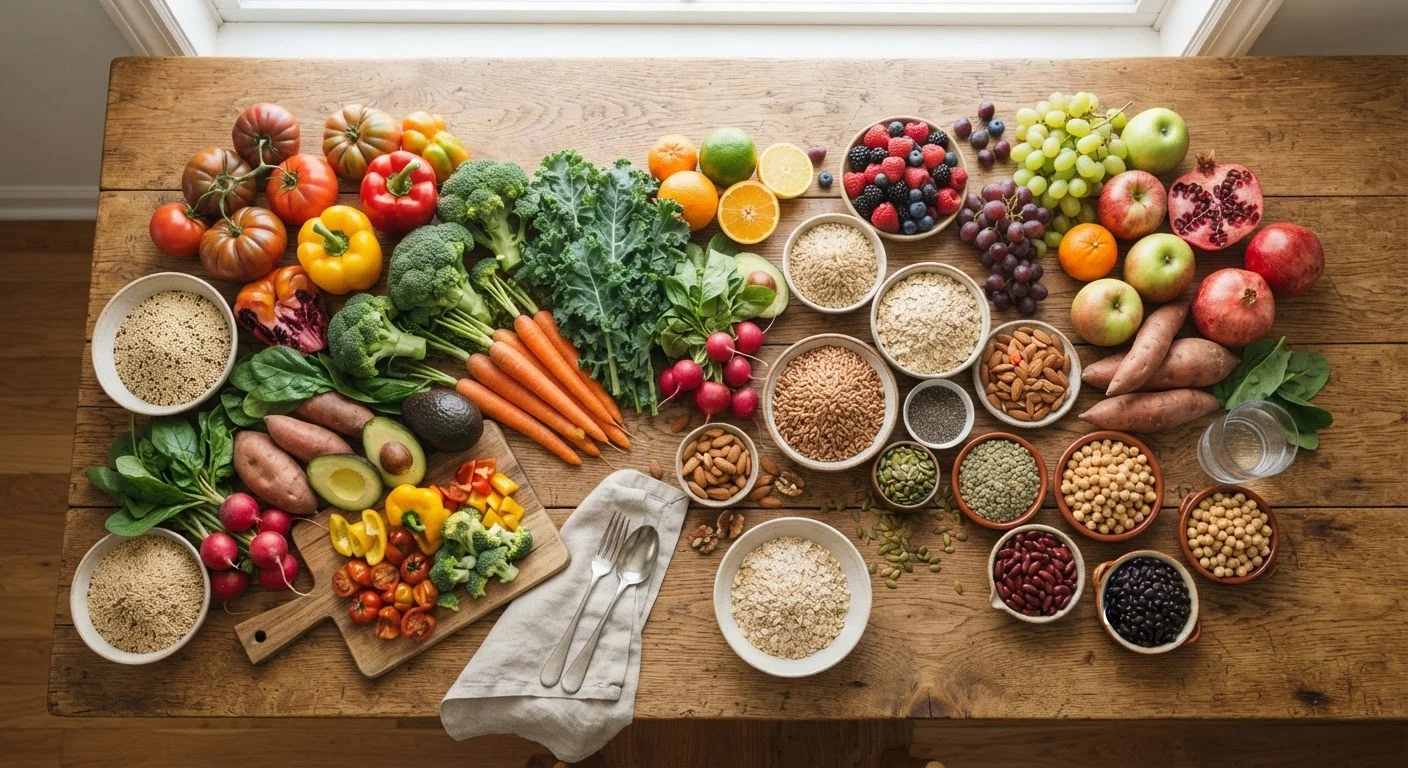
Rather than memorizing a long list, a practical approach is to eat a wide variety of colorful whole foods. Different colors in fruits and vegetables generally signal different nutrient profiles - leafy greens provide folate and iron, orange vegetables provide beta-carotene (a precursor to vitamin A), and citrus fruits provide vitamin C.
Common micronutrient gaps in the US diet include vitamin D, calcium, potassium, and dietary fiber, according to the Dietary Guidelines for Americans. Eating a varied diet that includes dairy or fortified alternatives, leafy greens, legumes, and whole grains addresses many of these without the need for supplements in most healthy adults. If you suspect a deficiency, speak with a healthcare provider before adding supplements - more is not always better, and some vitamins can be harmful in excess.
Supplements Are Not a Substitute for Food
Whole foods contain combinations of nutrients, fiber, and compounds that work together in ways supplements cannot fully replicate. Supplements may be appropriate in certain situations - such as vitamin D in low-sunlight climates or folate during pregnancy - but these decisions should be made with a healthcare provider, not based on general health trends.
Building a Balanced Plate
The USDA's MyPlate model is a straightforward visual tool for structuring meals: roughly half your plate filled with vegetables and fruit, one quarter with whole grains, and one quarter with protein - alongside a serving of dairy or a fortified alternative. It is a guide, not a rigid formula, and works as a mental anchor when planning meals.
In practical terms, a balanced plate might look like:
- A base of leafy greens or roasted vegetables
- A palm-sized portion of chicken, fish, eggs, or beans
- A serving of whole grains like brown rice, quinoa, or whole-wheat bread
- A small amount of healthy fat - a drizzle of olive oil or a quarter of an avocado
Variety across the week matters more than hitting every category at every meal. Eating well is cumulative. Building nutrition into your daily health habits alongside sleep and movement creates a foundation that supports wellbeing in a way that no single food ever could.
Practical Habits That Make Eating Well Easier
Knowledge about nutrition only helps if it translates into action. These habits help bridge the gap between understanding and doing - without requiring perfection.
- Plan before you shop. Deciding what to eat before you reach the store reduces impulse purchases and makes it easier to have nutritious ingredients on hand. Our guide to grocery shopping habits offers a practical checklist for building this routine.
- Cook more at home, even simply. Home-cooked meals tend to contain less sodium and added sugar than restaurant or packaged foods. Simple meals - a grain, a protein, and a vegetable - count.
- Eat slowly and without distraction when possible. Research consistently links mindful eating with better satiety awareness, meaning you are more likely to notice when you are full.
- Make incremental changes. Adding one vegetable to a meal you already enjoy is more sustainable than overhauling your entire diet. Your first week of healthy habits is a great place to begin putting this into practice.
This article is for general informational and educational purposes only and is not a substitute for professional medical or dietary advice. Always consult a qualified healthcare provider or registered dietitian for guidance specific to your health needs.