
How Tokyo Actually Works
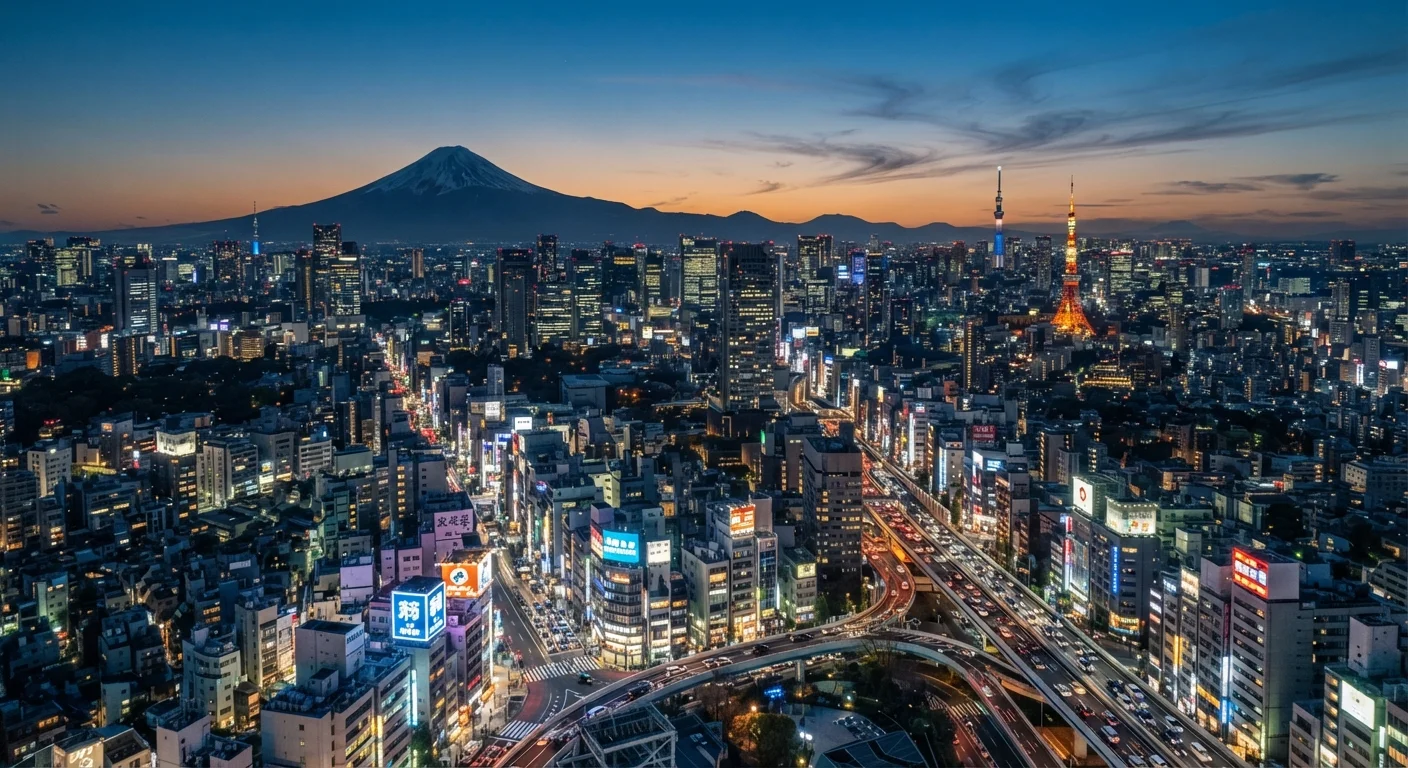
Tokyo is one of the world's largest metropolitan areas, home to over 13 million people within the city proper and more than 37 million in the greater metro region. That scale sounds intimidating, but the city is structured in a way that rewards first-timers who arrive with even a basic mental map.
Think of Tokyo less as a single city and more as a network of interlocking urban villages, each connected by one of the most reliable transit systems on the planet. Once you understand this structure—neighborhoods linked by trains, not cars—the city becomes far more navigable. Most of what visitors want to see clusters around a handful of central and inner-ring areas, all reachable without a taxi or rideshare.
Before you leave home, read through our complete international trip logistics primer to handle the fundamentals: passport validity, customs forms, and what to expect at immigration. Tokyo's Narita and Haneda airports are well-organized, but arriving informed makes everything smoother.
37M+
People in Greater Tokyo Metro Area
Tokyo's greater metropolitan region is consistently ranked as the world's most populous urban area by the United Nations.
~40
Train Lines Serving Central Tokyo
Tokyo's rail network combines JR, Tokyo Metro, Toei Subway, and multiple private railways, making it one of the densest transit grids globally.
~30 min
Haneda to Central Tokyo by Rail
Haneda Airport's proximity to the city center makes it the faster arrival option for most travelers staying in central districts.
Getting Around: Transit Cards and the Train System
Tokyo's train system—a mix of JR lines, Tokyo Metro, Toei Subway, and private railways—covers virtually every part of the city. The key to using it without stress is a rechargeable IC card. Suica and Pasmo are the two most common options; both work across almost all rail, subway, and many bus lines, and can also be used at convenience stores and vending machines.
You can load an IC card at station kiosks with cash or, in some cases, link one to a digital wallet before you arrive. Fares are deducted automatically when you tap in and out at station gates. There's no need to buy individual tickets for each journey.
Load Your IC Card Before Leaving the Airport
Suica cards can now be added to Apple Wallet and some other digital wallets before you land, depending on your device and region. If you prefer a physical card, purchase and load one at any JR kiosk in the airport arrivals area before heading to the platform. Starting with ¥2,000–¥3,000 loaded is typically enough for the first day.
For longer distances—say, day trips to Kyoto or Nikko—a separate rail pass may be worth considering. These passes are typically purchased before arrival and have specific eligibility rules. Check Japan Railways' official site for current options and terms.
For more on navigating transit systems in unfamiliar cities, see our guide to getting around a new city on a budget.
Neighborhoods to Know Before You Plan
Rather than memorizing the entire city, focus on a handful of districts that anchor most first-timer itineraries:
- Shinjuku — A major transit hub with department stores, izakayas, the famous Golden Gai bar alley, and the vast Shinjuku Gyoen garden.
- Shibuya — Home to the iconic scramble crossing, youth fashion, and a dense concentration of restaurants and nightlife.
- Asakusa — Tokyo's most visible traditional neighborhood, centered on Senso-ji temple and Nakamise shopping street.
- Akihabara — Electronics, gaming, and anime culture, all in one concentrated stretch.
- Harajuku / Omotesando — Street fashion, independent cafes, and high-end retail along a leafy boulevard.
- Yanaka — A quieter, older neighborhood that survived wartime bombing and offers a glimpse of pre-modern Tokyo street patterns.
Staying in or near one of these areas keeps you close to transit. Where you stay shapes your experience significantly—choose based on what you want to do most, not just price.
When choosing where to stay, prioritize proximity to a major train station over proximity to a specific sight—Tokyo's rail network makes station access far more valuable than being near any one attraction.
In a city this well-connected, a 5-minute walk to a hub station is worth more than a 20-minute walk to a famous landmark, since the train gets you everywhere else in minutes.
Download the Jorudan or HyperDia app before you arrive to look up train routes offline—Google Maps works well for transit in Tokyo, but having a dedicated rail app as a backup prevents confusion when directions seem contradictory.
Tokyo's overlapping rail systems sometimes show multiple confusing route options; dedicated transit apps display fare breakdowns and platform numbers in a cleaner format.
Cultural Customs That Matter
Japan has a well-earned reputation for social consideration, and a few simple customs go a long way toward respectful travel.
- No tipping. Tipping is not part of Japanese service culture and can be awkward or even offensive. Leave nothing extra at restaurants, hotels, or taxis.
- Quiet on transit. Talking on the phone on trains is discouraged. Keep voices low, set phones to silent, and don't eat on most train lines.
- Shoes off indoors. Many traditional restaurants, some accommodation types, and most private homes require removing shoes at the entrance. Wear easy-to-remove footwear.
- Queue strictly. Lines are orderly and respected. At train platforms, marked waiting zones indicate exactly where to stand.
- Handle food and cards with two hands. Presenting a business card, payment, or a gift with both hands—or at least a slight bow—signals respect.
These aren't rules enforced by law, but following them means you're engaging with local norms rather than brushing past them. For a broader list of customs that catch international travelers off guard, see our article on common surprises for first-time international travelers.
Verify Entry Requirements Before You Travel
Japan's entry rules—including visa requirements, documentation, and any health-related conditions—can change and vary by nationality. Do not rely on traveler forums or third-party sites as your primary source. Check the official Japanese government immigration portal and your own government's travel advisory before booking and again before departure.
Practical Logistics: Cash, Data, and Getting from the Airport
Cash: Japan remains more cash-dependent than many travelers expect. While IC cards and credit cards work at chain restaurants and major retailers, smaller restaurants, temples, and local shops often accept cash only. Withdraw yen from 7-Eleven or Japan Post ATMs, which reliably accept foreign cards.
Data: A pocket Wi-Fi device or a Japan-compatible SIM card provides reliable connectivity. These can be ordered in advance and picked up at the airport on arrival. Don't count on finding free Wi-Fi in all areas.
Airport to city: Both Narita (NRT) and Haneda (HND) have direct rail links into central Tokyo. Haneda is closer; the monorail or Keikyu Line reaches the city center in roughly 30 minutes. Narita is further; the Narita Express (N'EX) or Limousine Bus are the standard options, taking 60–90 minutes depending on destination. Confirm current schedules and fares before traveling—timetables can change.
Our guide to navigating city arrivals for the first time covers exactly what to do in that disorienting first hour after you land.
IC Cards Have a Deposit Fee
Physical Suica and Pasmo cards carry a ¥500 refundable deposit. You can return the card at most JR station windows before departing Japan to reclaim the deposit along with any remaining balance. Keep this in mind when deciding how much to load before your last travel day.
What to Expect Day-to-Day
Tokyo's day-to-day experience is generally clean, punctual, and low-hassle compared to many large cities. Convenience stores (konbini)—7-Eleven, Lawson, FamilyMart—are open 24 hours and stock prepared meals, snacks, toiletries, and basic medications at reasonable prices. They're a practical resource throughout any visit.
Food is one of Tokyo's most discussed attractions, and for good reason. From ramen shops to sushi counters to department basement food halls (depachika), eating well at almost any budget is genuinely achievable. Plastic food displays outside many restaurants let you point to what you want even without a shared language.
Language is rarely an insurmountable barrier in tourist-heavy areas, though learning a handful of Japanese phrases—greetings, thank-you, excuse me—is appreciated and practically useful. Google Translate's camera function handles menus and signage well.
Curious how Tokyo compares to another complex, first-timer-unfriendly city? Our guide to first-time visitors in New York City walks through a very different urban experience with similar prep logic.
Finally, always verify current entry requirements, visa conditions, and any travel advisories directly with your government's official travel advisory service and Japan's immigration authorities before you book or depart. Requirements can change without notice.
This article is for general informational purposes only. Travel conditions, entry requirements, transit fares, and local customs are subject to change. Always verify critical details through official government and provider sources before traveling.