
Why Mexico City Surprises So Many First-Time Visitors
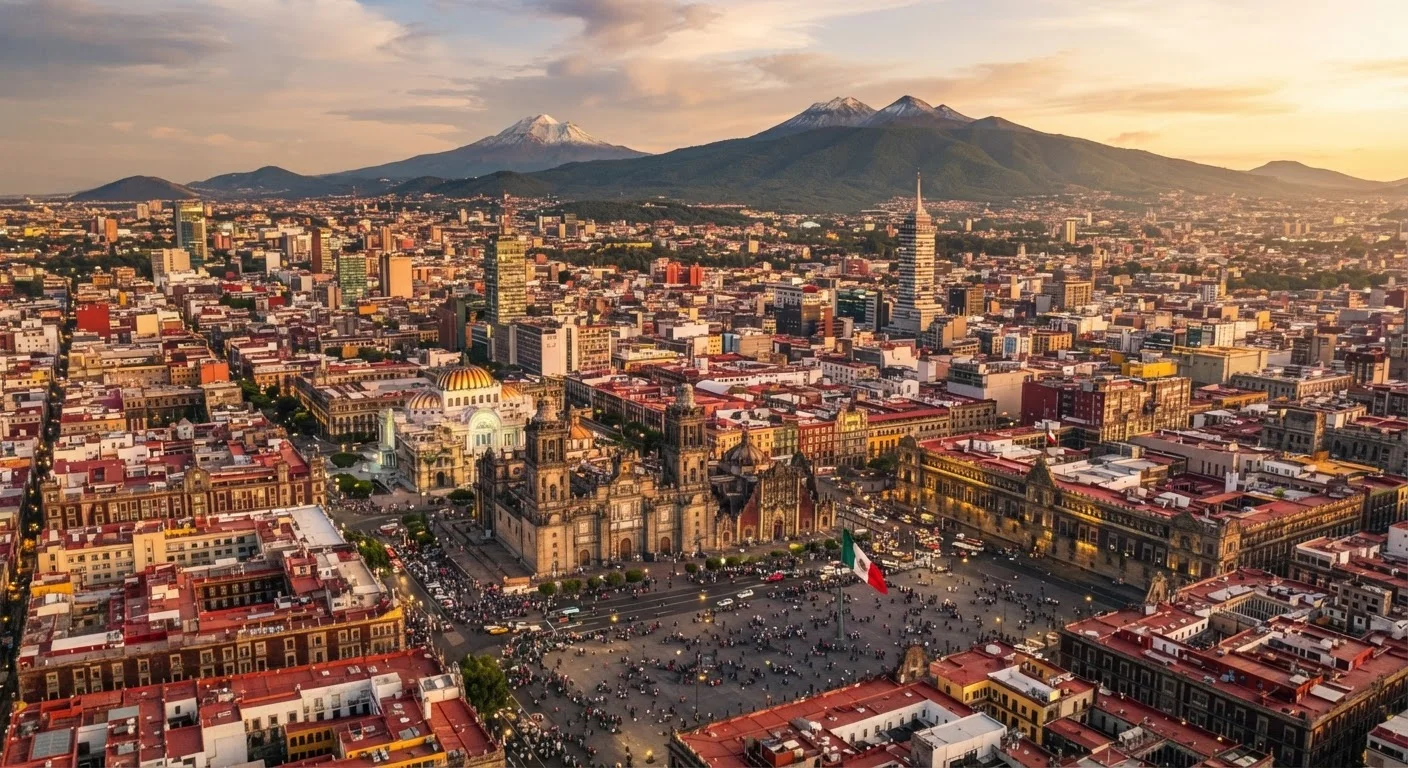
Most travelers arrive expecting one version of Mexico City and find several others layered on top of it. The city — known locally as CDMX — is one of the largest urban areas in the Western Hemisphere, home to more than 20 million people across the greater metro area. It is also one of the most culturally dense cities in the Americas, with world-class museums, a thriving contemporary arts scene, and some of the continent's most respected culinary traditions.
The gap between perception and reality tends to close quickly. Visitors who arrive braced for chaos often find elegant tree-lined neighborhoods, a functioning rapid transit network, and a food culture that runs deep into daily life. Those who arrive assuming it will feel like a beach resort town encounter a full-scale cosmopolitan capital instead.
Coming in informed makes all the difference. If you've found this kind of preparation useful, the same approach applies to cities like New York — see our guide for first-time NYC visitors for a comparable rundown.
21M+
People in the greater metro area
Mexico City's metropolitan area is one of the largest in the Western Hemisphere, according to UN urban population estimates.
7,350 ft
Elevation above sea level
CDMX sits significantly higher than most North American cities, making altitude adjustment a genuine first-day consideration.
12 lines
Mexico City Metro network
The Metro covers most major districts and carries millions of passengers daily, making it one of the most-used systems in the Americas.
Neighborhoods Worth Knowing Before You Arrive
CDMX is not one neighborhood — it's dozens, each with a distinct character. Most first-time visitors base themselves in one of four central areas:
- Roma and Condesa: Walkable, leafy, and lined with cafés, restaurants, and mid-century architecture. A natural starting point for first-timers who want accessibility and variety.
- Polanco: Upscale, quieter, and home to major museums including the Museo Nacional de Antropología. Higher price points than Roma/Condesa.
- Centro Histórico: The historic core — the Zócalo, the Metropolitan Cathedral, Palacio de Bellas Artes. More tourist-facing but historically essential. Can feel busier and more crowded.
- Coyoacán: South of the center, with a village-like atmosphere, the Frida Kahlo Museum, and excellent weekend markets. Worth a day trip even if you're not staying there.
Choosing where to stay based on your interests — not just price — will shape how the city feels day to day.
Anchor your first two nights in Roma Norte or Condesa rather than optimizing purely for price. Walkability and neighborhood safety at street level are worth the premium when you're still orienting.
First-time visitors in unfamiliar cities spend significant cognitive energy on navigation and basic logistics. Starting in a walkable, low-stress area reduces that burden and helps you build confidence faster.
Download an offline map of CDMX before you land — mobile data connections inside the Metro can be unreliable, and GPS works without a signal.
Transit and navigation apps are helpful, but underground Metro stations often have limited connectivity. Offline maps eliminate the moment of confusion when you most need directions.
Getting Around: Transit, Ride-Hailing, and Walking
Mexico City's Metro covers 12 lines and connects most major areas of the city at a very low fare (roughly a few pesos per ride, though fares are subject to change — verify current rates locally). It is reliable and fast during off-peak hours, but becomes extremely congested during morning and evening rush periods. Dedicated women-and-children-only cars operate on each train.
Ride-hailing apps (including locally popular options) are widely used and generally straightforward. Many visitors use them for late-night travel or when carrying luggage. For a broader look at low-cost urban transit strategies, see our guide on getting around a new city affordably.
Walking is realistic within neighborhoods like Roma, Condesa, and Polanco, but distances between major sights are larger than they appear on a map. A Metro-plus-walking combination is usually the most practical approach. Ecobici, the city's bike-share program, is another option worth exploring in flatter central areas.
Use the Metro Off-Peak When Possible
If your schedule is flexible, aim for Metro travel before 7:30 a.m. or after 8:00 p.m. on weekdays. Rush-hour cars can be genuinely overwhelming for first-time visitors — not unsafe, but very crowded and disorienting. Off-peak travel is calmer and gives you time to track stops without pressure.
Food Culture: What to Eat and How It Works
Mexico City's food culture is not incidental to the experience — it is the experience for many visitors. The city has a long-established street food tradition built around tacos, tlayudas, tortas, tamales, and elotes, among many others. Sit-down restaurants range from neighborhood fondas (casual, home-style lunch spots) to internationally recognized fine dining.
Street food is eaten by millions of residents daily. Thoughtful choices — busy stalls with visible turnover, freshly cooked items, and proper handling — are standard traveler wisdom. Bottled or purified water is generally recommended for visitors whose systems aren't accustomed to local tap water, and most restaurants serving tourists use filtered ice. Carry a small amount of cash; many street vendors and markets are cash-only.
“Mexican cuisine is one of the world's great culinary traditions — not a single cuisine but a collection of regional traditions with deep indigenous and historical roots. Experiencing it at street level, in markets and fondas, is where that depth becomes tangible.”
— UNESCO Intangible Cultural Heritage Programme, International body recognizing Mexico's culinary traditions as Intangible Cultural Heritage of Humanity (inscribed 2010)
Mercado de Medellín, Mercado Jamaica, and the Mercado de San Juan all offer different windows into how the city shops and eats. Spending time at a market is one of the better ways to understand CDMX at street level.
Safety: A Realistic Picture for First-Time Visitors
Safety in Mexico City is a topic that deserves nuance rather than either dismissal or alarm. Like any large city, risks vary significantly by location, time of day, and behavior. The neighborhoods most frequented by visitors — Roma, Condesa, Polanco, Centro Histórico — are generally considered safe for daytime exploration and have active street life throughout the evening.
Practical precautions that apply in most large cities apply here too: use ATMs inside banks or shopping centers rather than on the street, avoid displaying expensive gear conspicuously, and use ride-hailing apps rather than hailing unregistered taxis. Pickpocketing in crowded Metro cars is the most commonly reported issue for visitors.
Check Official Travel Advisories Before Booking
Mexico's safety landscape varies considerably by state and region. Advisory ratings issued by the U.S. Department of State distinguish between areas with different risk profiles — Mexico City carries a different designation than some other parts of the country. Reading the current advisory carefully, not just the headline rating, gives you a clearer and more accurate picture than general media coverage.
Before traveling, check your government's current travel advisory for Mexico. The U.S. Department of State, for example, issues destination-specific advisories that distinguish between regions and risk levels. Conditions change, and official sources are the most reliable reference point. Also consult your healthcare provider about recommended vaccinations and altitude-related precautions well ahead of departure.
For a broader look at the practical surprises international travel can bring, our article on things that catch first-time international travelers off guard covers common oversights from tipping norms to pharmacy access.
Practical Logistics Before You Go
Altitude: Mexico City sits at approximately 7,350 feet (2,240 meters) above sea level. Altitude-related symptoms — mild headaches, fatigue, shortness of breath — are common during the first day or two, especially for visitors coming from sea level. Hydrating well and limiting strenuous activity on arrival day helps. Consult a healthcare provider if you have underlying respiratory or cardiovascular conditions before booking.
Currency: The Mexican peso (MXN) is the local currency. Exchange rates fluctuate; using a debit card with low foreign transaction fees at a bank ATM is a common approach. Having some cash on hand is useful, particularly outside of central neighborhoods.
Language: Spanish is the primary language. English is widely spoken in hotels and tourist-facing businesses in central neighborhoods, but less so elsewhere. Learning a few basic phrases goes a long way and is generally appreciated.
Arrival: Benito Juárez International Airport (MEX) is close to the city center. The Metro (Line 5 to Terminal Aérea station) connects to the broader network, and authorized taxi and ride-hailing options are available outside the terminal. For a full walkthrough of navigating unfamiliar arrival points, see our guide on city arrivals for first-time travelers.
Entry Requirements Change — Always Verify
Visa requirements, health documentation, and border conditions for Mexico can change. U.S. citizens do not currently require a visa for tourist visits, but requirements vary by nationality. Check the official website of Mexico's immigration authority (INM) and your own government's travel portal for current, accurate entry requirements before booking.
Mexico City rewards travelers who approach it with curiosity and preparation in equal measure. The city is genuinely vast and layered — no single trip covers all of it, and that's part of what makes it worth returning to.
This article is for general informational and educational purposes only. Travel conditions, entry requirements, health recommendations, and safety advisories change over time. Always verify current information through official government sources and consult qualified professionals for health or safety decisions specific to your circumstances.