

Why Your Credit Score Is Built the Way It Is
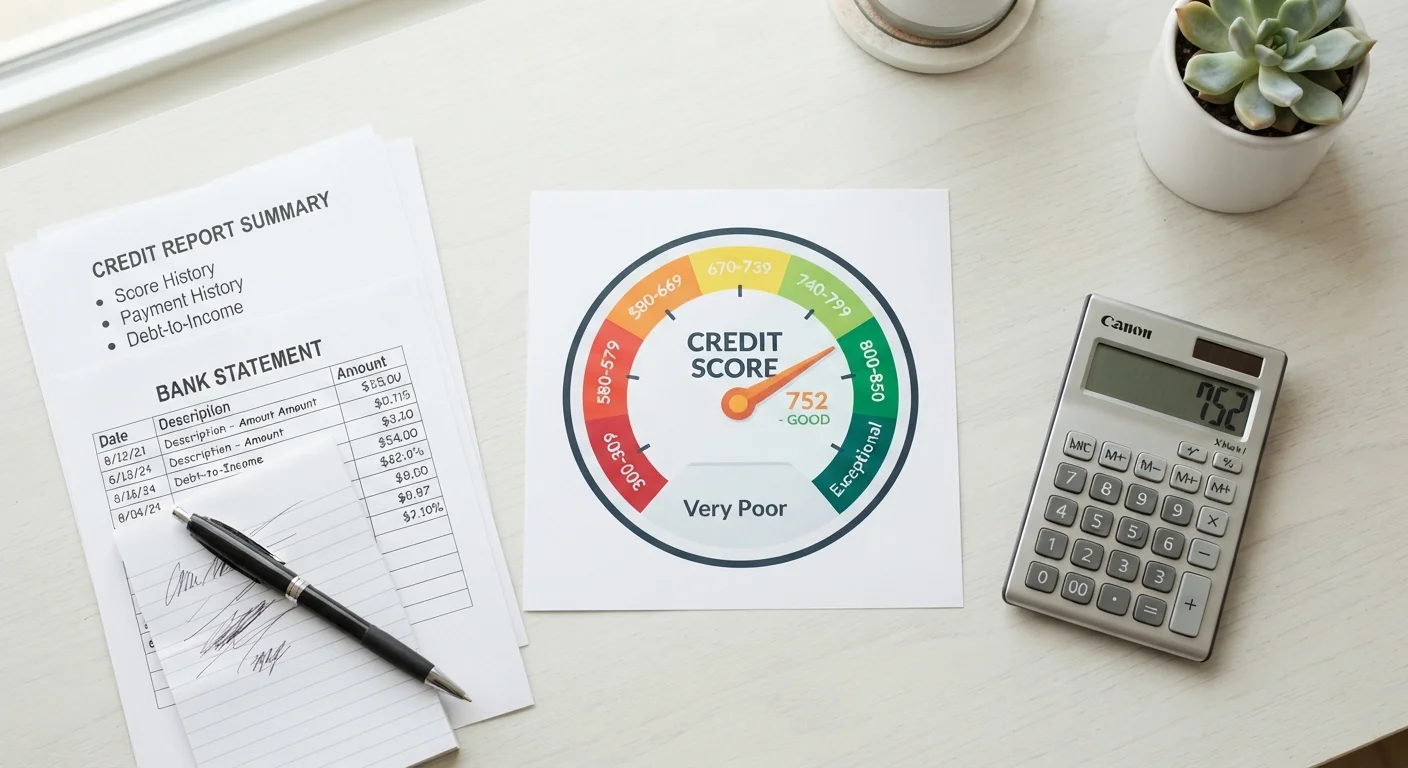
Your credit score is not a mystery — it follows a defined formula. The most widely used model, the FICO Score, breaks your score into five distinct factors, each carrying a specific weight. Knowing those weights helps you focus your energy where it actually counts.
| Payment History Weight | 35% (FICO Score model) |
| Credit Utilisation Weight | 30% (FICO Score model) |
| Length of Credit History Weight | 15% (FICO Score model) |
| Credit Mix Weight | 10% (FICO Score model) |
| New Credit (Inquiries) Weight | 10% (FICO Score model) |
| Score Range (FICO) | 300–850 (myFICO.com) |
Two factors — payment history and credit utilisation — together account for 65% of your score. That means the most impactful habits are also the most straightforward: pay on time, and don't borrow up to your limit. The remaining three factors matter too, but they move more slowly and require less active management for most people.
Keep in mind that this article covers general financial education, not personalized advice. For guidance tailored to your situation, consider speaking with a certified financial counselor or credit advisor.
Breaking Down Each Factor
1. Payment History (35%)
This is the single biggest factor. It tracks whether you pay your bills on time — credit cards, loans, and any other accounts that report to the credit bureaus. A single missed payment can have a noticeable negative impact, and the later a payment is (30, 60, or 90+ days overdue), the more damage it does. Setting up autopay for at least the minimum payment is a simple way to protect this factor.
2. Credit Utilisation (30%)
Utilisation measures how much of your revolving credit limit you're using. If your card has a $1,000 limit and your balance is $400, your utilisation is 40%. Financial educators commonly suggest staying below 30%, though lower is generally better. Paying down balances before your statement closing date — when balances are typically reported to bureaus — can help keep this number down.
FICO vs. VantageScore: Two Common Models
Most lenders use the FICO Score, but VantageScore — developed by the three major credit bureaus — is also widely used and considers similar factors with slightly different weights. The five categories covered in this article apply broadly to both models. Always check which model a lender uses when you're preparing to apply for credit.
3. Length of Credit History (15%)
Older accounts improve this factor. It considers the age of your oldest account, your newest account, and the average age of all your accounts. This is why closing an old credit card can sometimes lower your score — it may shorten your average account age. Opening new accounts too frequently has the same effect.
4. Credit Mix (10%)
Having a variety of account types — such as a credit card and an installment loan — can modestly boost your score. You don't need to open accounts just to diversify; this factor rewards natural variety that builds over time.
5. New Credit (10%)
Applying for new credit generates a hard inquiry on your report. One inquiry typically has only a small, short-term impact. However, applying for several credit products in a short window can signal financial stress to lenders and add up. Note that checking your own score is a soft inquiry and has no impact — a common misconception addressed in our breakdown of credit score myths.
Where to Focus Your Energy
If you're building credit from scratch or repairing a damaged score, the math points clearly to priorities. Protect your payment history first — one on-time payment at a time. Then work on reducing your utilisation by paying down balances or, if appropriate, requesting a credit limit increase without adding new spending.
The factors weighted at 10% each (credit mix and new credit) tend to improve naturally as your credit life develops. Chasing them by opening unnecessary accounts can actually backfire. Patience and consistency with the big two factors will do more over time than any shortcut.
35%
Payment history's share of your FICO score
According to the FICO scoring model, on-time payments carry more weight than any other single factor.
30%
Credit utilisation's share of your FICO score
The FICO model treats how much of your available credit you use as the second most influential factor.
Below 30%
Commonly cited utilisation guideline
Financial educators generally suggest keeping credit card balances below 30% of your credit limit to support a healthy score.
This article is for general informational and educational purposes only and does not constitute personalized financial or credit advice. Consult a licensed financial professional for guidance specific to your situation.