
Defining the Terms Clearly
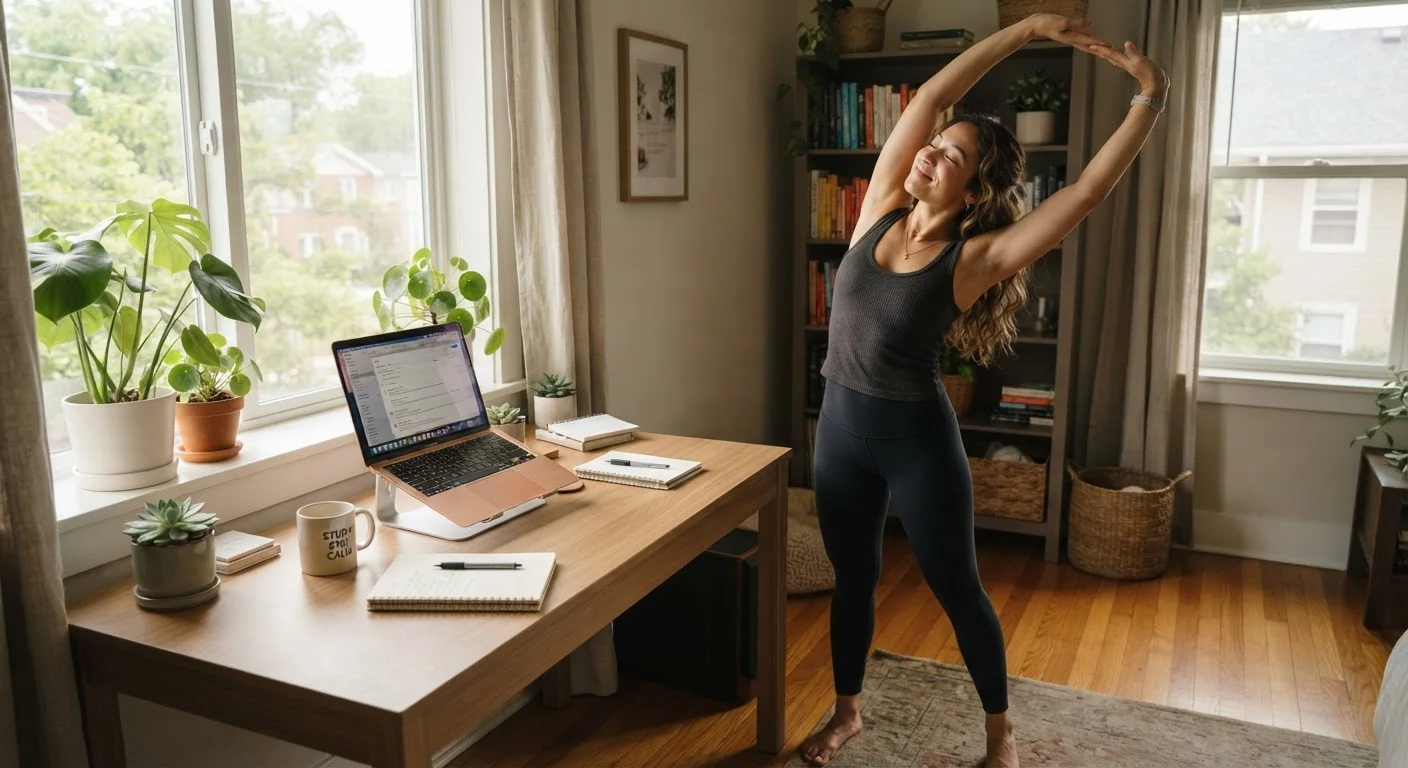
Mindfulness is a mental state - the practice of paying deliberate, non-judgmental attention to the present moment. You can be mindful while washing dishes, walking to class, or listening to a friend. It's a quality of awareness, not a scheduled activity.
Meditation is a formal practice - a set of techniques performed intentionally, usually for a defined period, with the goal of training the mind. Some meditation styles cultivate mindfulness; others don't. Focused-attention meditation, body scan meditation, loving-kindness meditation (metta), and transcendental meditation are all distinct approaches with different mechanisms.
Think of it this way: mindfulness is a skill, and certain meditation styles are one way to develop that skill. But meditation also exists as its own category, independent of mindfulness.
For a broader map of mental wellness tools and where these practices sit within it, see the Mental Wellness Field Guide.
How They Compare Side by Side
Understanding the differences becomes clearer when you look at practical dimensions - when, how, and why each is used.
| Criterion | Mindfulness | Meditation |
|---|---|---|
| What it is | A quality of present-moment awareness | A structured mental training technique |
| When you do it | Anytime, during daily activities | During a set, dedicated session |
| Time required | No separate time needed | Typically 5-30 minutes per session |
| Styles / types | One core concept, many applications | Many styles (breath, body scan, loving-kindness, etc.) |
| Equipment or space | None | None (optional: cushion, timer) |
| Learning curve | Very low - start immediately | Low - simple techniques, consistent practice builds skill |
| Primary goal | Present-moment awareness and acceptance | Trained attention, calm, and emotional balance |
One important nuance: mindfulness-based meditation is the intersection of both. Practices like Mindfulness-Based Stress Reduction (MBSR) - an evidence-based program developed at the University of Massachusetts Medical School - deliberately combine formal meditation sessions with the cultivation of everyday mindful awareness.
What the Research Actually Shows
Both practices have accumulated a meaningful body of research, though it's worth being clear about what the evidence does and doesn't say.
38%
Adults using mind-body practices in the US
According to the National Center for Complementary and Integrative Health (NCCIH), roughly 38% of US adults use some form of mind-body practice, including meditation.
8 weeks
Duration of standard MBSR programs
The Mindfulness-Based Stress Reduction (MBSR) program, developed at UMass Medical School, runs for eight weeks and is among the most-studied structured mindfulness interventions.
~14 min
Average daily meditation session length
Research published in the journal Mindfulness suggests that sessions of around 10-15 minutes are associated with measurable improvements in attention and mood over time.
Studies published in journals such as JAMA Internal Medicine and Psychological Science have found associations between regular mindfulness and meditation practice and reductions in self-reported stress and anxiety symptoms. Research on MBSR programs has shown improvements in measures of emotional regulation and attention. However, effect sizes vary, study quality differs, and results depend heavily on individual factors including how consistently someone practices.
Neither mindfulness nor meditation is a substitute for professional mental health treatment. If you're experiencing persistent anxiety, depression, or emotional distress, these practices may complement - but should not replace - care from a qualified professional. See our overview of therapy, counselling, and psychiatry if you're unsure where to start with professional support.
Mindfulness and Meditation as Complements to Care
If you're already working with a therapist or counsellor, mindfulness and meditation may integrate well alongside that care - many evidence-based therapies, such as Mindfulness-Based Cognitive Therapy (MBCT), formally incorporate them. Always let your provider know about any practices you're exploring. These tools are meant to support wellbeing, not to manage clinical conditions independently.
Getting Started Without Overthinking It
One of the most common barriers is believing you need a special setup, a paid app, or prior experience. You don't. Here's a simple entry point for each:
- For mindfulness: Pick one routine activity today - your morning coffee, your walk to campus, a meal - and give it your full attention. Notice textures, temperatures, sounds. When your mind drifts (it will), gently return your focus. That's it. That's mindfulness practice.
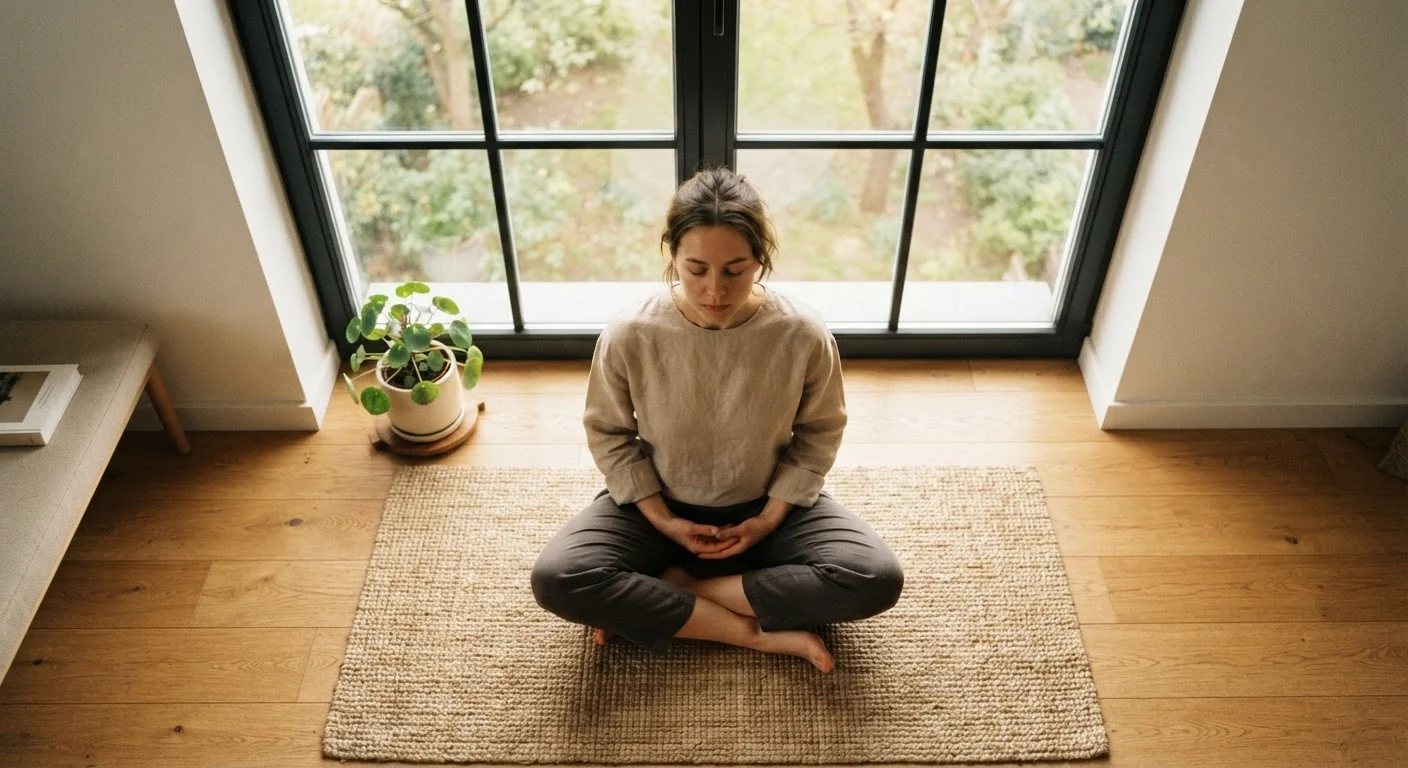
- For meditation: Set a timer for five minutes. Sit comfortably, close your eyes, and direct your attention to your breath - the sensation of air entering and leaving your body. Each time your mind wanders, notice it without judgment and return to the breath. Consistency matters far more than duration.
Both practices integrate naturally into the kind of daily health habits that research links to better emotional wellbeing. For more ideas on building those routines, explore our guide to self-care habits that support mental wellbeing and the broader daily habits linked to better mental health.
This article is for general informational and educational purposes only and is not a substitute for professional medical or mental health advice. If you have concerns about your mental health, please consult a qualified healthcare provider.