
Why Screens and Sleep Don't Mix
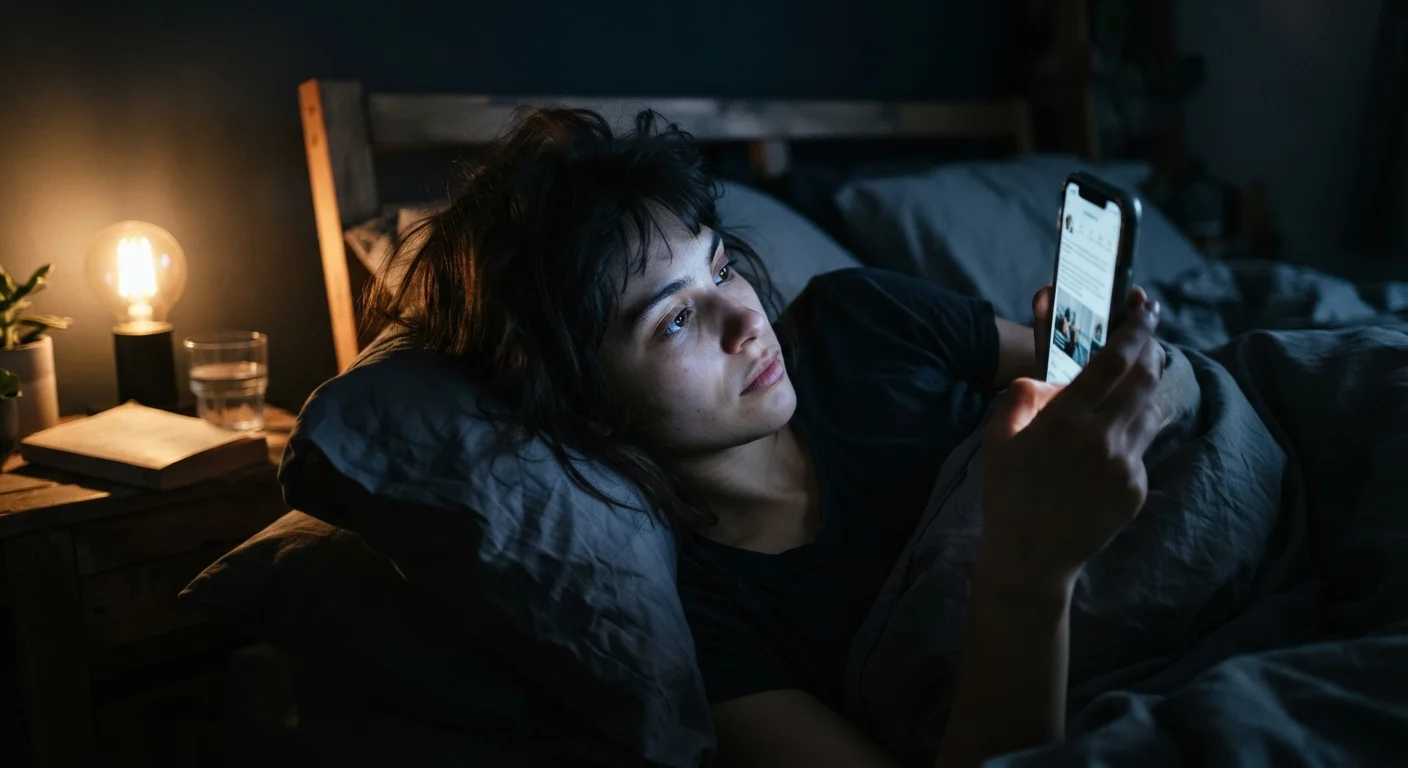
The core problem isn't willpower - it's biology. Screens emit blue-wavelength light, which your brain interprets as daylight. This signal suppresses melatonin (your body's sleep-onset hormone), pushing back the natural window when you feel genuinely drowsy. Research from sleep scientists consistently shows that even moderate evening screen exposure can delay melatonin release by an hour or more.
Beyond light, the content matters too. Social media feeds, news, and videos are engineered to keep you engaged - they trigger small spikes of dopamine that keep your nervous system alert. This is the opposite of what your brain needs to wind down into restful sleep. The result is that you may spend more time in bed while actually sleeping less efficiently.
Understanding this cycle is the first step. If you've noticed you feel wired even when you're tired after a long scroll session, that's your nervous system responding exactly as designed - just at the wrong time of day. For a deeper look at how poor sleep compounds other habits over time, see common habit traps young adults fall into.
This Isn't Just About Blue Light Glasses
Blue light filtering glasses and screen warm-tone modes (like Night Shift) can reduce light-based melatonin suppression somewhat, but they don't address the stimulation problem - the fast-paced, engaging content that keeps your brain alert. Filtering tools are a partial measure, not a full solution. Reducing screen use before bed remains the most reliably effective approach.
The Honest Pros of Evening Screen Use
A balanced look means acknowledging what screen time before bed actually offers - which is why so many people keep doing it.
Provides a familiar transition from day to downtime
For many people, scrolling or watching content signals the end of obligations. It acts as a mental boundary between work mode and personal time, which has real psychological value.
Reduces feelings of isolation or boredom
Social media and messaging apps offer connection, which can be particularly meaningful for people who live alone or have limited evening social contact.
Can distract from anxious or intrusive thoughts
Engaging content occupies the mind in ways that can temporarily ease worry. For some, this feels like the only reliable way to quiet a racing mind before sleep.
The Real Cons for Your Sleep
The trade-offs are significant, especially when late-night screen use becomes a nightly pattern rather than an occasional exception.
Suppresses melatonin, delaying sleep onset
Blue light exposure in the hour before bed can significantly push back the body's natural sleep window, meaning you fall asleep later even if you feel tired.
Keeps the nervous system in an alert state
Stimulating content - news, social feeds, short-form video - triggers alertness responses that counteract your body's natural wind-down process, making restful sleep harder to reach.
Reduces overall sleep duration through overrun
Algorithmic content is designed to keep you watching. What starts as ten minutes routinely extends well past intended bedtimes, cutting into total sleep time.
Associated with lighter, less restorative sleep
Evidence suggests that evening screen exposure is linked to reduced slow-wave sleep - the deep sleep phase most critical for physical recovery and memory consolidation.
Can worsen mood and anxiety the following day
Sleep disruption and poor sleep quality feed directly into mood regulation. Over time, a pattern of late-night screen use can compound feelings of irritability, low energy, and stress.
~90%
Adults using screens near bedtime
Survey data from the National Sleep Foundation found that the vast majority of American adults use some form of electronic device in the hour before sleep at least a few nights a week.
1+ hour
Melatonin delay from evening blue light
Research published in sleep science literature indicates that exposure to blue light before bed can delay melatonin release by one hour or more, pushing back the natural sleep window.
Practical Swaps You Can Actually Start Tonight
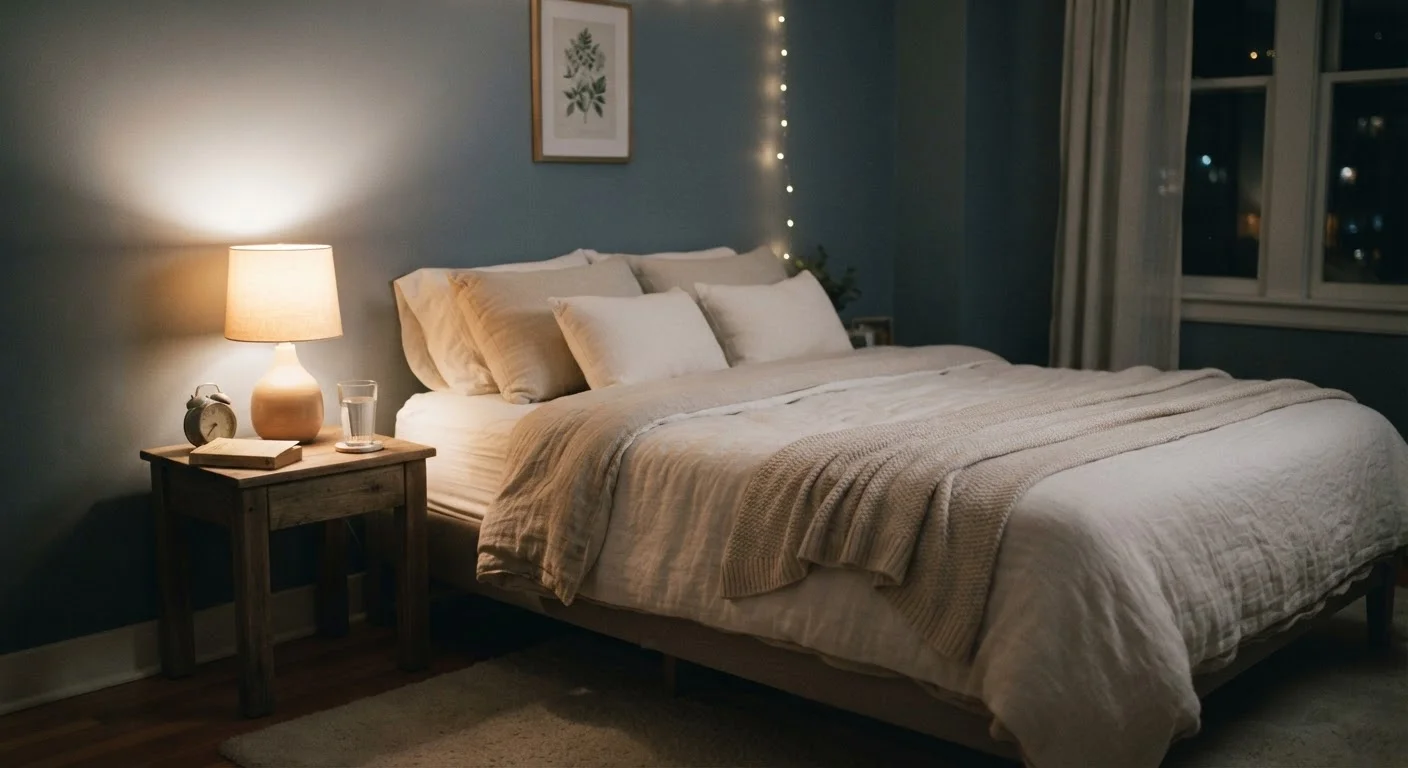
The goal isn't to ban your phone - it's to introduce a bridge between your busy day and sleep. These habits are low-effort entry points:
- Read a physical book or e-reader on warm-light mode. It engages your attention without blue light or algorithmic pull, making it easier to drift off naturally.
- Try a brief body scan or breathing exercise. Slow, deliberate breathing activates your parasympathetic nervous system - the part responsible for rest and recovery. Even five minutes can shift your physiological state noticeably.
- Write a short brain dump. Jotting down tomorrow's tasks or three things that went well helps offload mental chatter, so your mind isn't rehearsing your to-do list while you try to sleep.
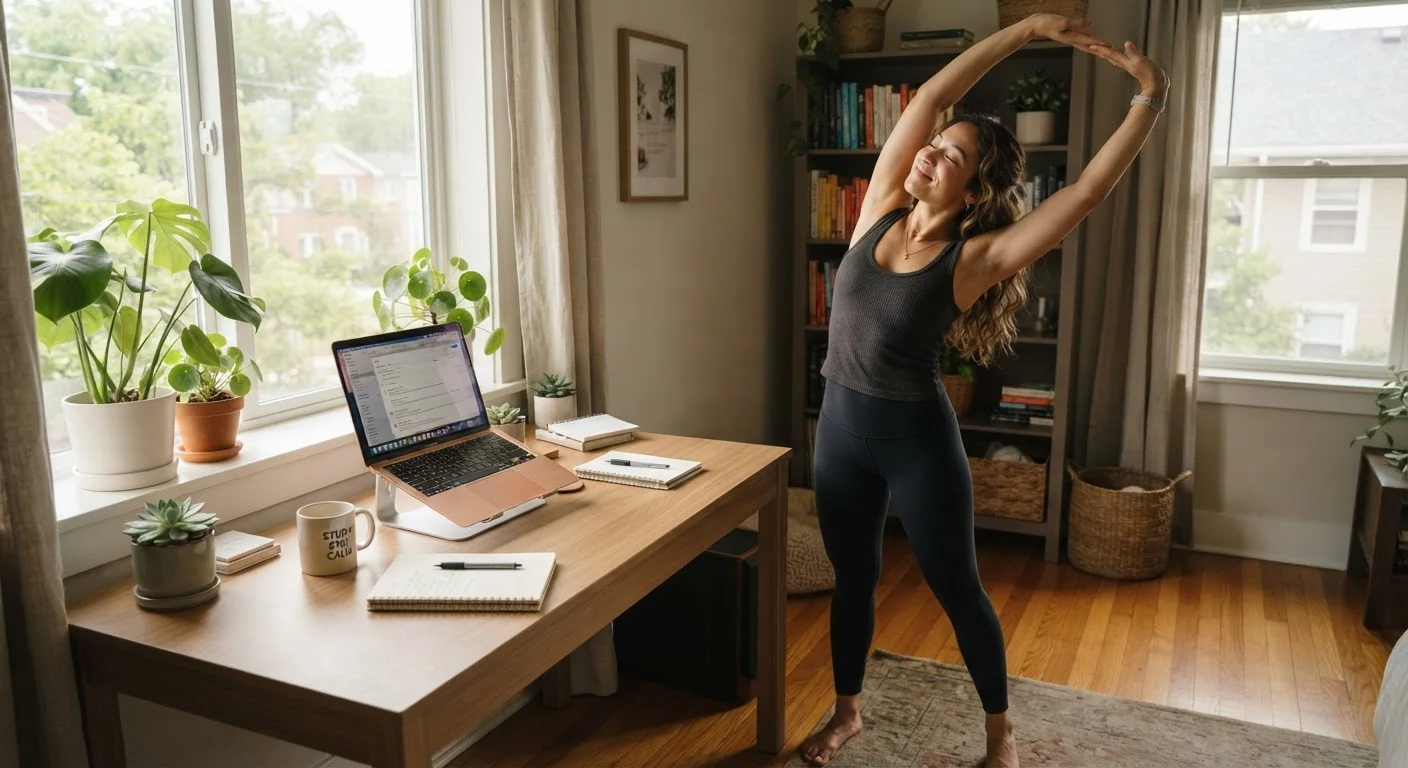
- Gentle stretching or yoga. Light movement releases physical tension built up during the day without raising your heart rate.
- Set a consistent phone-down time. Even 20-30 minutes without your device before sleep gives your melatonin levels a meaningful head start.
Building a real wind-down routine is covered in practical detail in the end-of-day wind-down checklist. And if anxiety or low mood is part of what keeps you reaching for your phone at night, it's worth understanding the two-way relationship between sleep and mental health before trying to address either in isolation.
It's also worth noting that scrolling in bed may feel restful without actually being so - passive rest and genuine recovery are not the same thing.
This article is for general informational purposes only and does not constitute medical advice. If you have ongoing sleep difficulties or concerns about your health, please consult a qualified healthcare professional.