
Why Solo Travel Deserves an Honest Look
Every year, more young adults set off on their first solo trip — drawn by stories of freedom, self-discovery, and adventure. Those stories are often true. But solo travel also comes with a set of real challenges that enthusiasts don't always mention upfront.
This guide isn't here to talk you in or out of going. It's here to give you a clear-eyed picture so you can prepare properly, set realistic expectations, and make the most of the experience if you decide to go. For a thorough primer on logistics before you leave, see our complete international trip guide.
Full control over your schedule and pace
You decide when to wake up, where to eat, and how long to stay somewhere. Nobody else's preferences shape the day — a flexibility that's genuinely hard to replicate in group travel.
Stronger connections with locals and other travelers
Solo travelers appear more approachable and are more likely to accept an invitation or start a conversation. Group travelers tend to stay within their bubble; solo travelers can't rely on one.
Rapid growth in confidence and self-reliance
Navigating a missed bus, a language barrier, or an unexpected change forces you to problem-solve in real time. Many travelers cite this as the most lasting benefit of going solo.
Freedom to change plans without negotiation
Loved a city? Stay an extra day. Hated it? Leave early. Solo travel lets you respond to your actual experience rather than a pre-negotiated group agenda.
Clearer sense of your own preferences
Without companions influencing every choice, you quickly learn what kind of traveler you actually are — which helps you plan future trips more effectively.
The Real Downsides First-Timers Should Know
Solo travel has genuine drawbacks that are worth understanding before you book — not to scare you, but because knowing them in advance helps you plan around them.
Higher per-person accommodation costs
Most hotels and rental properties price rooms, not beds, so solo travelers pay the full room rate. This can add meaningfully to your total trip cost compared to splitting with a travel partner.
Loneliness can surface unexpectedly
Even extroverted, well-prepared travelers experience stretches of isolation — especially during meals, evenings, or after something goes wrong. It's normal, but worth anticipating so it doesn't derail you.
You carry all logistical responsibility
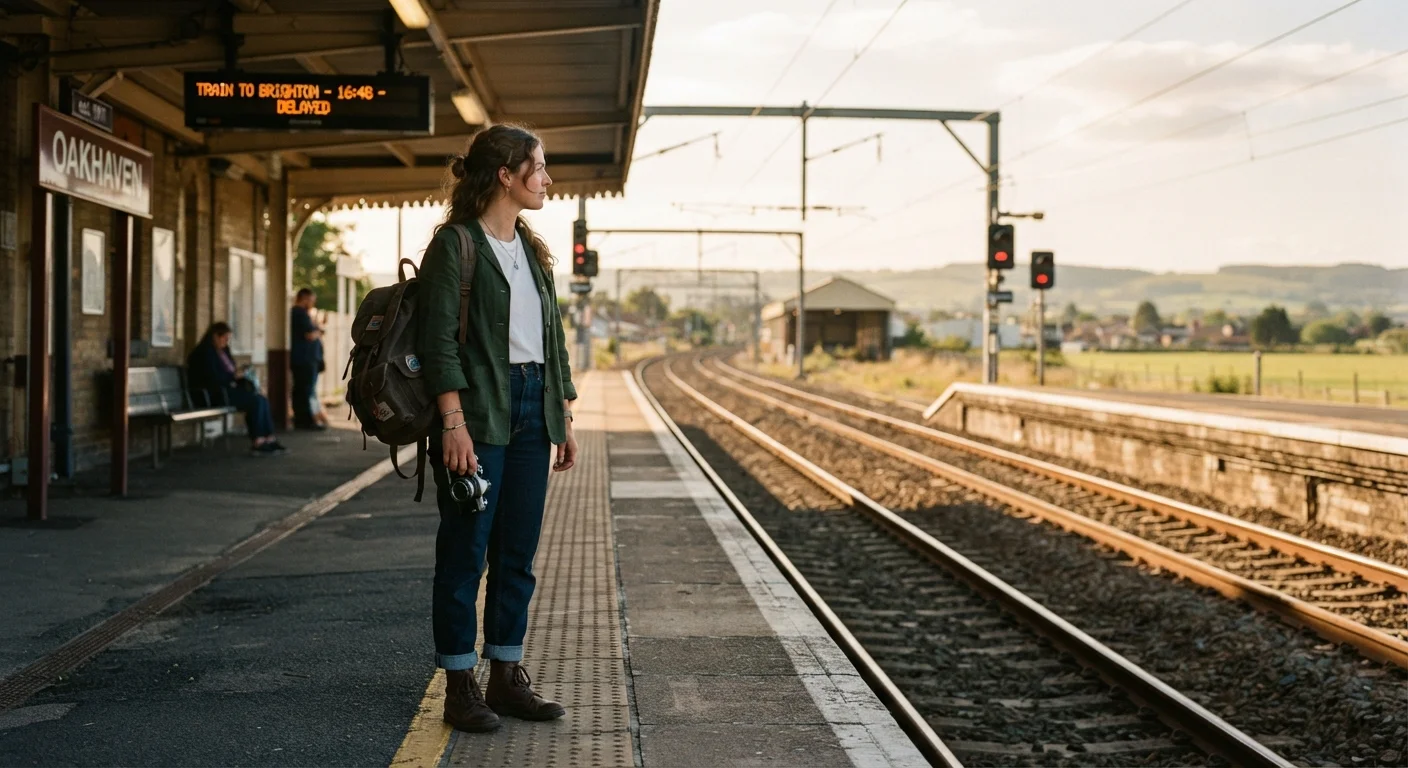
There's no one to watch your bag while you use the restroom, double-check your train platform, or remember that you packed the charger. Every detail falls on you, all day, every day.
Safety considerations require extra attention
Traveling alone, particularly in unfamiliar areas, can increase vulnerability in certain situations. This doesn't mean solo travel is unsafe — but it does mean situational awareness and preparation matter more.
No one to share the experience with in the moment
Witnessing something remarkable and having no one beside you to react with can feel deflating. Documenting moments or calling someone back home can help, but it's not the same.
72%
Solo travelers who plan to travel alone again
According to a survey by the Adventure Travel Trade Association, a large majority of solo travelers report intending to travel independently again after their first experience.
~30%
Single supplement added to solo room rates
Many accommodation providers charge a single supplement — typically 25–35% above half a double room rate — making solo trips noticeably more expensive per person than paired travel.
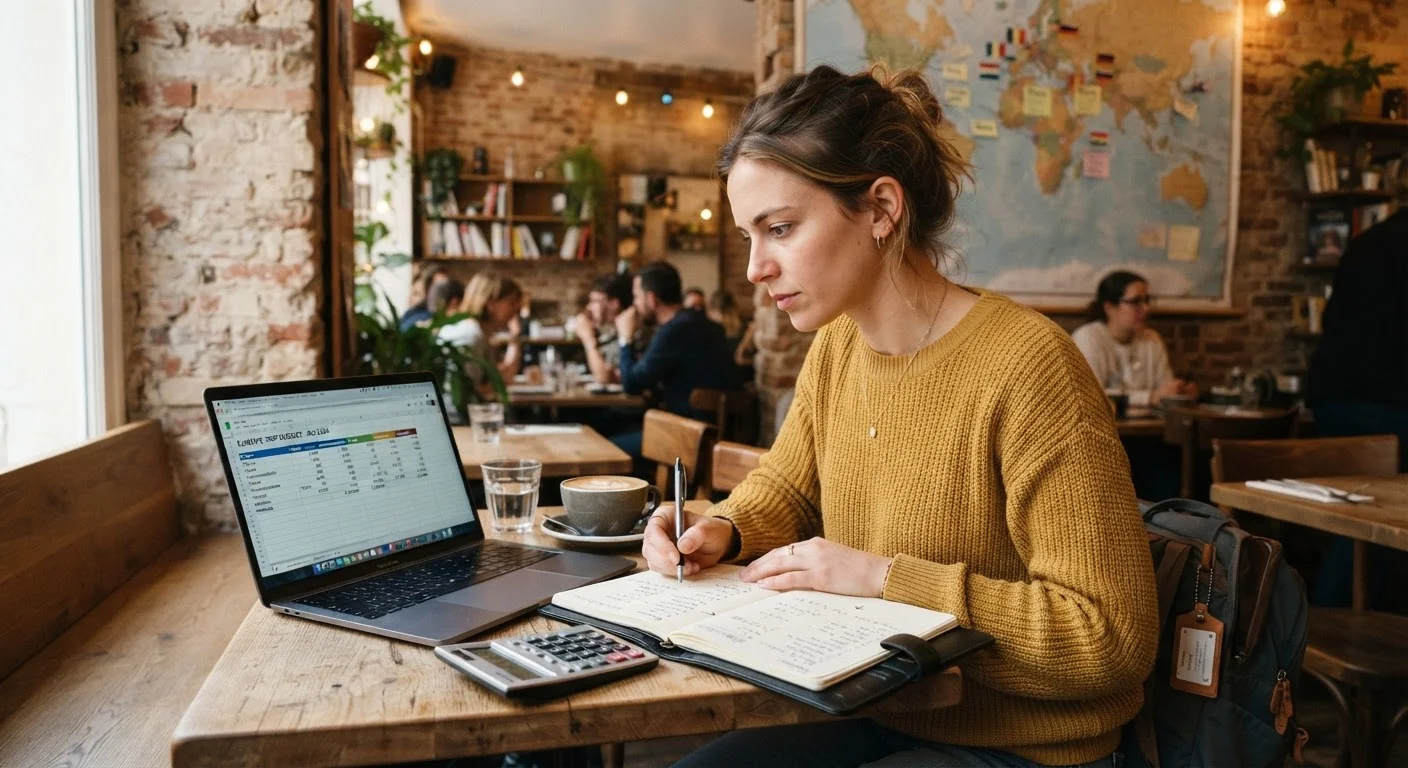
One area many first-timers underestimate is cost. Single-occupancy hotel rooms often cost nearly as much as a double, which means you don't benefit from splitting expenses the way group travelers do. Factor this into your budget early. Our guide on hidden travel costs covers other expenses that catch new travelers off guard.
Practical Ways to Prepare Before You Go
Understanding the trade-offs is step one. Preparing for them is what actually makes the trip work.
Safety Resources Worth Bookmarking
Before traveling internationally, register with your country's official traveler registration program (such as the U.S. State Department's STEP program) so your government can contact you in an emergency. Check official travel advisories at travel.state.gov for destination-specific guidance. These are free, reliable, and updated regularly — far more trustworthy than informal online forums for safety assessments.
- Research your destination's safety landscape — not just its highlights. Check your government's official travel advisories and look into neighborhood-level context, not just country-level ratings.
- Build a loose daily structure. Full flexibility sounds ideal, but having a general plan for each day reduces decision fatigue, especially early in the trip.
- Tell someone your itinerary. Share accommodation addresses and planned movements with a person you trust at home — and check in regularly.
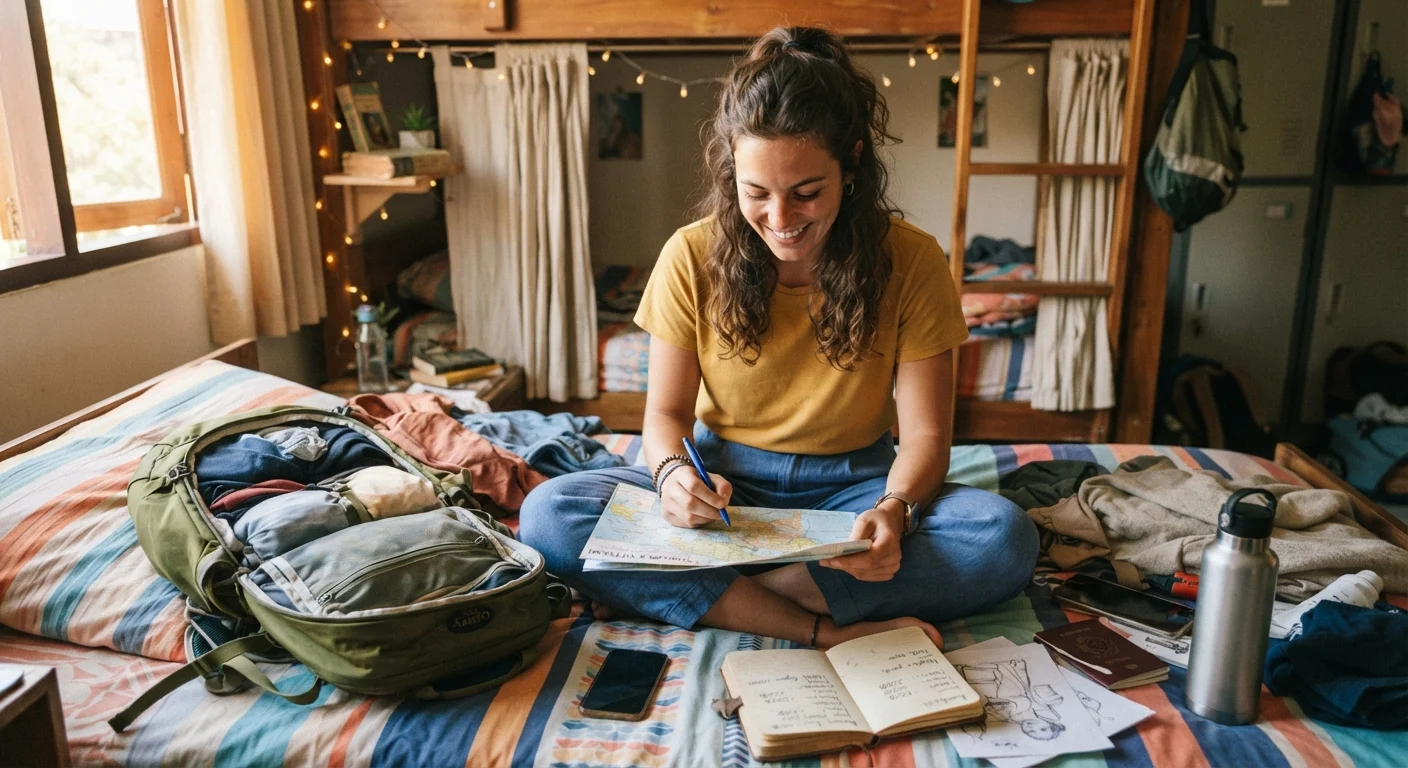
- Stay in social accommodations at first. Hostels with common areas, guesthouses, or structured tours make it far easier to meet people and reduce isolation.
Also worth considering: traveling during shoulder season can ease crowds and costs simultaneously. See how that decision plays out in our off-season travel trade-offs guide. And if budget is a primary concern, the Budget Travel from the Ground Up guide walks through core principles before you book anything.
Finally, read up on the practical surprises that tend to catch first-timers off guard — from power adapters to local tipping customs — in our first-timer surprises guide.