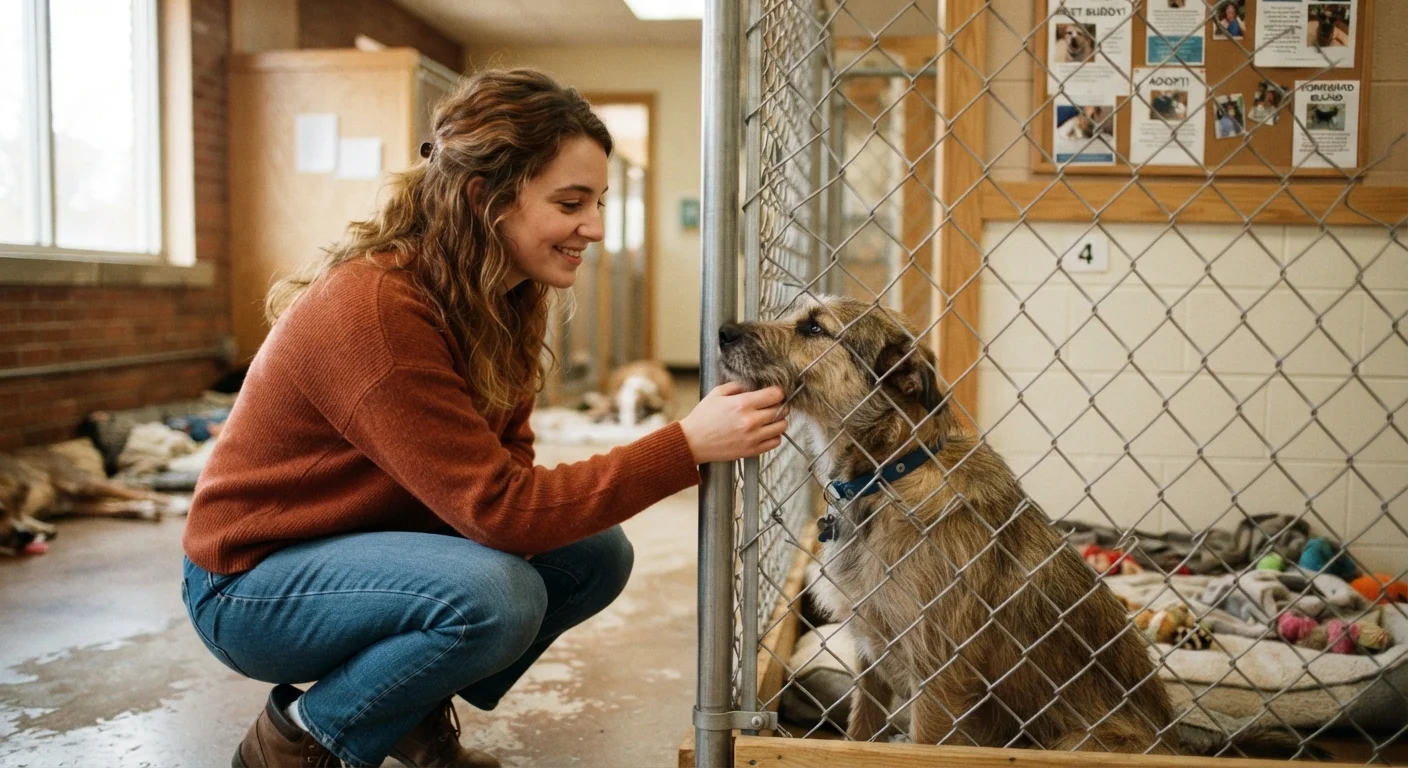


What 'Long-Term' Actually Means
When you adopt or purchase a pet, you're not making a seasonal decision — you're signing up for the lifespan of another living creature. A dog may live 10–15 years. A cat, 12–18. Some parrots live 50 years or more. Rabbits routinely reach 8–12 years under good care. Understanding this timeline up front changes how you evaluate your readiness.
Life circumstances shift dramatically over a decade. You may move cities, change jobs, have children, or face health challenges of your own. Your pet will need consistent care through all of it. This is the core reality that first-time owners often underestimate — not the cute early days, but the years when novelty fades and routine kicks in.
The Financial Picture Over a Pet's Lifetime
The upfront cost of acquiring a pet is typically the smallest financial moment. Ongoing expenses — food, routine veterinary visits, preventive medications, grooming, supplies, boarding, and emergency care — add up substantially year over year.
$1,000–$5,000+
Estimated annual dog ownership cost
General estimates from veterinary and consumer organizations suggest dog owners commonly spend in this range annually, varying by size, health, and location.
10–15 years
Average dog lifespan
Depending on breed and size, most domestic dogs live between 10 and 15 years, representing a substantial long-term commitment.
Veterinary costs in particular can catch new owners off guard. A single emergency visit can run into the hundreds or thousands of dollars depending on the situation. Routine annual wellness exams, vaccines, dental cleanings, and parasite prevention are recurring line items that should be budgeted for in advance. Pet insurance is one tool some owners use to manage unpredictable costs, though coverage, premiums, and exclusions vary widely — reading policy details carefully is essential before signing up.
Housing is another financial variable. If you rent, pet-friendly apartments often come with pet deposits, monthly pet fees, or restrictions on species and breed. Our guide on renting with a pet covers what to check before bringing an animal home to a rental property.
Time: The Resource People Forget to Budget
Money can sometimes be borrowed or supplemented. Time cannot. A dog needs to be walked multiple times daily, rain or shine. Cats need regular playtime, litter box maintenance, and social interaction. Even lower-maintenance pets like fish or hamsters require consistent feeding, habitat cleaning, and health monitoring.
Consider your realistic daily schedule, not your ideal one. If you work long hours, travel frequently for work, or have an unpredictable lifestyle, certain animals will struggle — and so will you. Building a reliable support network (a trusted neighbor, a pet sitter, a boarding facility you've vetted) isn't optional; it's part of responsible ownership.
Consistent companionship and reduced loneliness
Pets provide a steady social presence that many owners find genuinely meaningful, particularly people living alone or going through transitions.
Built-in daily structure and routine
Feeding schedules, walks, and playtime create predictable rhythms that can support mental wellness and time management.
Sense of purpose and responsibility
Caring for another creature's wellbeing gives many owners a sustained sense of meaning that carries through difficult periods in their own lives.
Strong emotional bond over years
Long-term pet relationships deepen over time; many owners describe their pet as one of the most important relationships they've had.
The Emotional Reality: Both Sides
The emotional benefits of pet ownership are well-documented in research literature — companionship, reduced feelings of loneliness, routine, and a sense of purpose. For many people, their pet becomes a central relationship in their life.
But the emotional weight is equally real. Pets get sick, and making medical decisions under financial pressure is genuinely difficult. Behavioral problems — destructive habits, aggression, anxiety — can be exhausting to manage. And eventually, most owners outlive their pets. Grief after pet loss is a recognized psychological experience, not something to dismiss. Going in aware of these emotional dimensions, not just the joyful ones, leads to more sustainable ownership.
High and often unpredictable veterinary costs
Emergency care, specialist visits, or chronic illness management can cost thousands of dollars, with little warning and significant emotional pressure attached.
Daily time demands that don't pause
Unlike most commitments, pet care cannot simply be postponed — an animal's needs for feeding, exercise, and attention continue every single day.
Limits on housing and lifestyle flexibility
Renting becomes more complex, travel requires planning and often paid boarding, and spontaneous decisions are harder to make without accounting for your pet.
Emotional difficulty of illness, loss, and hard decisions
End-of-life decisions, unexpected diagnoses, and the grief of pet loss are emotionally demanding experiences that come with long-term ownership.
For a fuller look at both the case for and against bringing a pet into your life, see our balanced breakdown.
Before You Decide: Practical Self-Assessment
The best moment to think critically about readiness is before acquiring a pet, not after. Ask yourself whether your housing accommodates the species you're considering, whether your income can absorb a sudden $1,000 veterinary bill, and whether your lifestyle will allow you to be present for an animal's daily needs over many years.
There's No Universally 'Easy' Pet
Even animals commonly described as low-maintenance — fish, hamsters, birds — require consistent care, appropriate environments, and veterinary attention when sick. The gap between perception and reality can be wide. Researching the specific needs of any species before acquiring one is always worthwhile, regardless of how simple it seems on the surface.
Our pre-pet checklist walks through key questions covering finances, time, living arrangements, and future plans. The Choosing a Pet hub also helps match species and breeds to specific lifestyles. Taking the time to do this honestly isn't pessimistic — it's how you set yourself and your future pet up for a good life together.
This article is for general informational purposes only and does not constitute financial, veterinary, or legal advice. Consult qualified professionals for guidance specific to your situation.