

Rehoming Is More Common Than People Expect
Each year, millions of pets enter U.S. shelters not because of abuse or neglect, but because the match between owner and animal simply wasn't sustainable. This is a difficult reality — and an avoidable one in many cases. Understanding why people give up their pets is one of the most useful things a prospective owner can do before making a commitment.
The decision to rehome is rarely made lightly, and it often comes with significant guilt and grief. But patterns in why it happens are consistent enough that they can serve as a practical checklist for anyone still in the decision phase. See our readiness guide for a deeper look at what new owners often underestimate before their first pet.
Underestimating the daily time commitment required.
Why it happens: Prospective owners often picture the fun parts — playing, cuddling, going on walks — and not the daily structure that pets genuinely need to thrive.
Choosing a pet based on appearance or a trending breed rather than compatibility.
Why it happens: Social media makes certain breeds look effortlessly charming, and impulse decisions are easy when an animal is in front of you at a shelter or pet store.
Failing to account for the full financial cost of pet ownership.
Why it happens: The upfront adoption or purchase fee feels like the main expense. Ongoing costs — food, preventive vet care, dental cleanings, emergency treatment — are easy to overlook until they arrive.
Not preparing other household members before bringing a pet home.
Why it happens: One person's enthusiasm can overshadow a realistic conversation with roommates, partners, or family members who may have allergies, fears, or different expectations about care responsibilities.
Expecting a pet's behavior to resolve itself without training or professional guidance.
Why it happens: Many first-time owners assume that love and time will naturally correct problem behaviors like destructive chewing, aggression, or housetraining accidents.
Not planning for major life changes that affect the pet.
Why it happens: People adopt animals during stable periods of life without thinking through how a move, a new baby, a job change, or a breakup might affect their ability to care for the pet.
How to Set Yourself Up for a Lasting Match
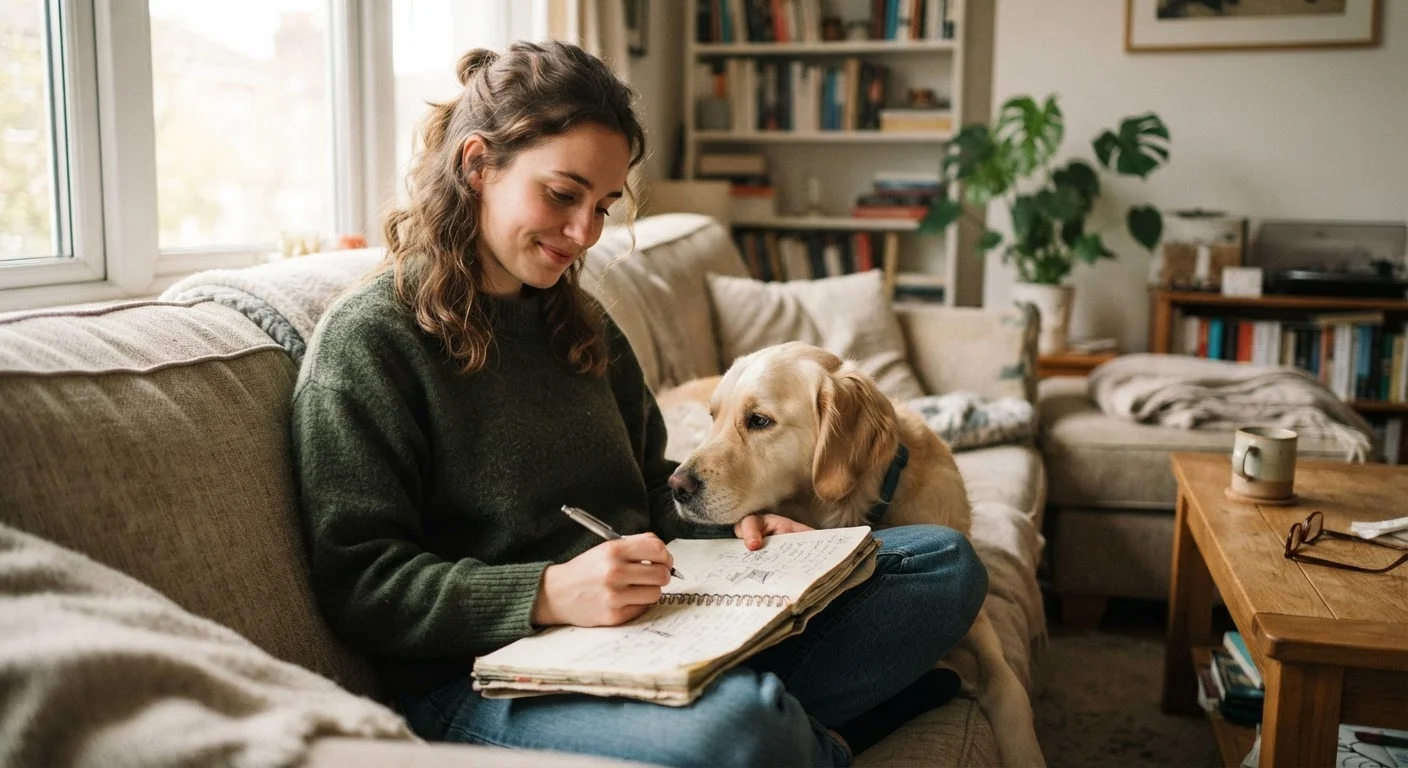
Most of the mistakes above share a common root: decisions made on emotion or impulse rather than honest self-assessment. A few habits can dramatically improve your odds of a successful, long-term relationship with a pet.
Impulse Adoptions Carry Real Risk
Adopting a pet on impulse — especially around holidays or after seeing a viral social media post — is one of the strongest predictors of later rehoming. Shelters often see a surge in surrenders in the weeks following major gifting occasions. Give yourself at least a few weeks of deliberate research before committing to any animal.
Research before you commit. Different species — and different breeds within a species — have vastly different needs. A high-energy herding dog and a low-key senior cat require very different lifestyles. Matching your living situation to the right pet is a foundational step, not an afterthought.
Budget honestly. Routine veterinary visits, food, grooming, training classes, and unexpected illness or injury all add up. Financial strain is a leading driver of surrenders. Visit our Pet Health & Vet hub to understand the kinds of care costs involved.
Think through your next five years. Are you likely to move? Change jobs? Start a family? Pets live for years or decades. The honest case for and against pet ownership is worth reading before you decide. And if you're choosing between adoption and purchasing, understanding those differences can shape which animal ends up in your home.
The Pet Pays the Price of a Poor Match
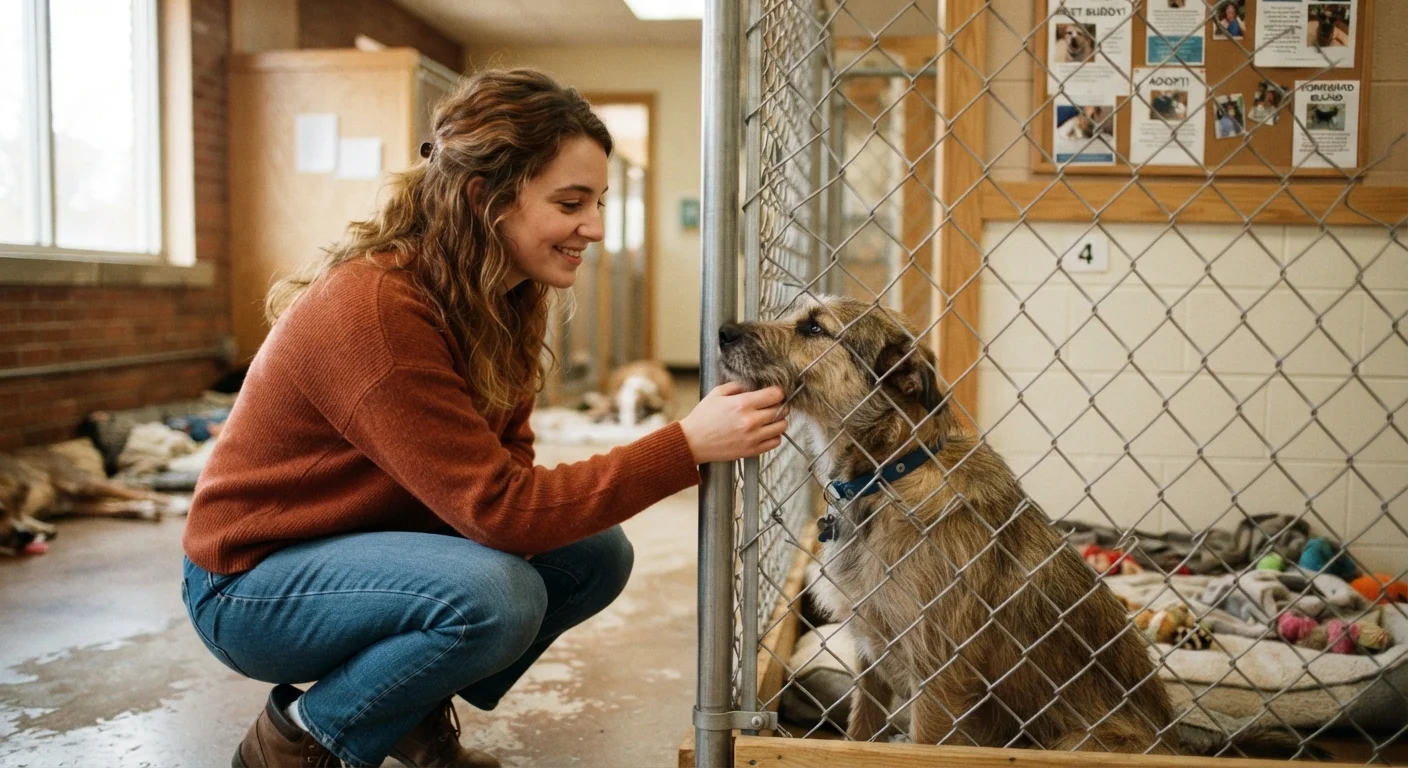
When a pet is surrendered, the stress of shelter life is real — particularly for adult animals who have already bonded with a household. Multiple rehomings can cause lasting behavioral and psychological effects. Investing time in the right decision upfront is one of the most important things you can do for an animal's wellbeing.
Taking these steps doesn't guarantee a perfect outcome — animals, like people, are individuals. But they dramatically reduce the chance that a pet will end up back in a shelter through no fault of their own.