
Why 'Low-Maintenance' Is Relative, Not Absolute
When people describe a pet as "low-maintenance," they usually mean it demands less social time than a dog — it won't need walks, training sessions, or constant company. That's a real and meaningful difference. But it doesn't mean minimal cost, zero health monitoring, or rare habitat upkeep.
Every living animal has non-negotiable needs: nutrition, clean water, an appropriate environment, and the ability to express natural behaviors. What varies between species is how those needs are met and how much daily interaction is involved. Understanding this distinction is the foundation of choosing the right pet for your actual life — not your idealized version of it.
For a fuller picture of what everyday animal care actually looks like, the Pet Care Basics hub is a good starting point. And if you're weighing pets suited to smaller spaces or busier schedules, small pets for busy lifestyles offers a realistic breakdown.
Myth
Fish are the perfect low-maintenance pet — just drop food in the tank and you're done.
Fact
Fish require regular water quality monitoring, tank cleaning, temperature regulation, and species-appropriate feeding schedules.
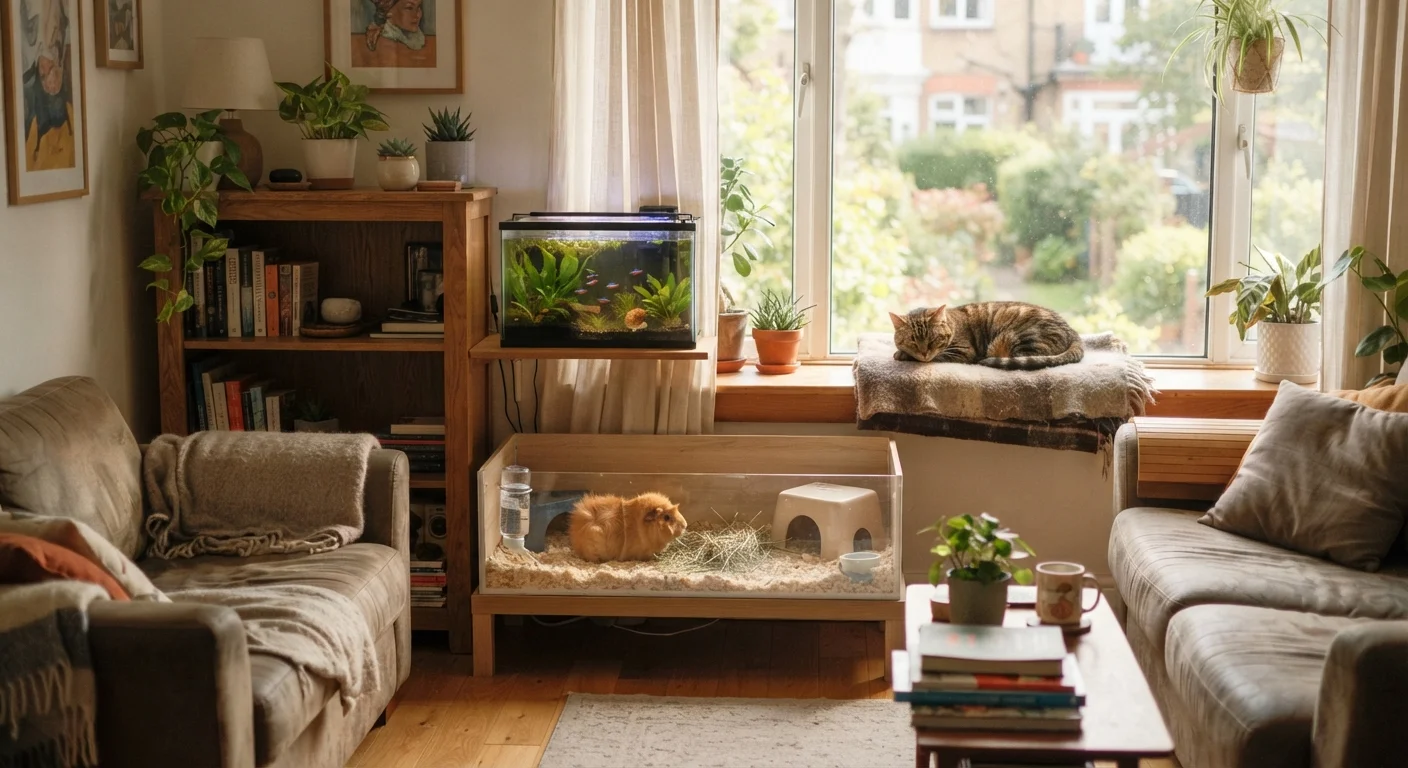
A healthy aquarium is an active ecosystem. Ammonia and nitrite levels must be managed through regular partial water changes — typically 15–25% weekly for most freshwater tanks. Filters need cleaning, lighting needs cycling, and fish diets vary significantly by species. Neglected water conditions are a leading cause of preventable fish illness and death. The setup and ongoing care requires genuine attention, even if it isn't time-intensive every single day.
Myth
Cats are completely independent and basically take care of themselves.
Fact
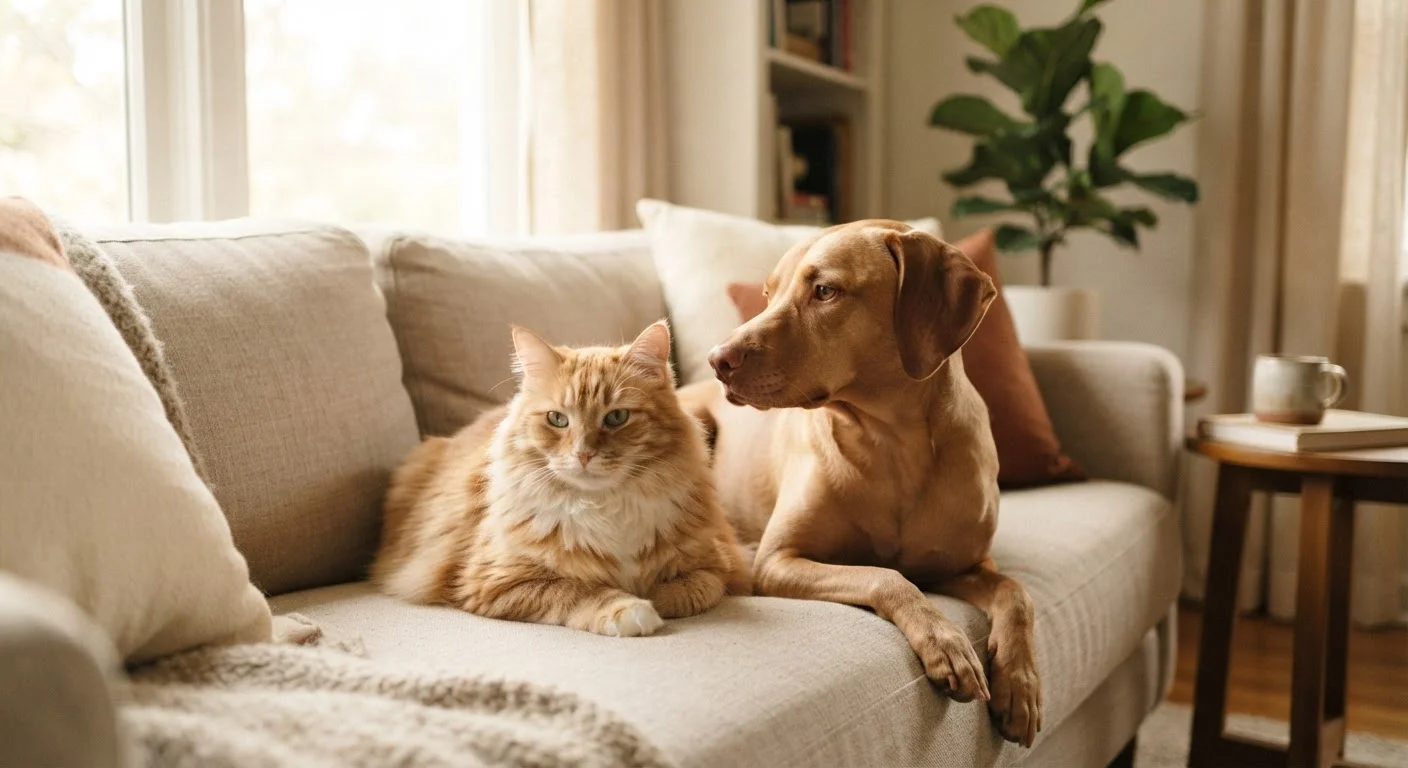
Cats need daily feeding, fresh water, litter box cleaning, regular veterinary care, mental stimulation, and social interaction.
Cats are relatively self-sufficient compared to dogs, but they are not autonomous. Indoor cats particularly need environmental enrichment — scratching posts, climbing opportunities, and interactive play — to avoid boredom-related behavioral problems. Litter boxes should ideally be scooped daily and deep-cleaned weekly. Annual (or more frequent) vet visits, parasite prevention, and dental care are all part of responsible cat ownership. Common pet health myths like the idea that cats self-manage their health can lead owners to miss early signs of illness.
Myth
Small animals like hamsters and guinea pigs are great starter pets because they need almost nothing.
Fact
Small mammals need daily feeding, fresh water, habitat cleaning, social interaction, and routine veterinary oversight.
Guinea pigs are social animals that typically do best in pairs, meaning care is immediately doubled. Hamsters are nocturnal and can be stressed by daytime handling — a mismatch for many household schedules. Both species need habitats far larger than most pet store cages suggest, along with regular bedding changes to prevent ammonia buildup. They are also prey animals that often mask illness until symptoms are advanced, making attentive observation essential. Finding a vet experienced with small mammals may take extra effort depending on where you live.
Myth
Reptiles like lizards and snakes are low-cost, low-effort pets.
Fact
Reptiles require precise habitat temperature and humidity control, species-specific diets, and specialist veterinary care — all of which carry meaningful ongoing costs.
Setting up a proper reptile enclosure — with appropriate lighting (including UV-B for many species), heating elements, and humidity control — represents a significant upfront investment. Husbandry errors in temperature or diet are a primary cause of reptile illness. Many reptiles also live surprisingly long lives: ball pythons can live 20–30 years, and some tortoise species well beyond that. This is a decades-long commitment, not a short-term hobby.
Myth
Getting a pet for a child means the parent won't have much involvement.
Fact
Adults are ultimately responsible for every aspect of a pet's care, regardless of a child's stated intentions.
Children often genuinely intend to care for a new pet, but consistent, daily responsibility is developmentally challenging for most kids. Feeding, habitat cleaning, and recognizing early signs of illness are tasks that require adult oversight at minimum — and adult backup when the child is sick, traveling, or simply forgets. Before acquiring a pet partly as a "child's responsibility," parents should be prepared to own that care fully themselves. See our guide on readiness for first-time pet owners for an honest self-assessment framework.
What to Actually Evaluate Before Choosing a Pet
Rather than searching for the "easiest" pet, assess your constraints honestly and match an animal to them:
- Time: How many minutes per day can you reliably dedicate — including cleaning, feeding, and interaction?
- Budget: Can you cover routine costs and an unexpected veterinary bill without financial strain?
- Housing: Does your living situation allow for the pet's space and noise requirements? If you rent, check your lease — pet ownership and renting covers what to verify before you commit.
- Longevity: Are you prepared for this animal's full lifespan, which may outlast your current living situation or relationship status?
- Lifestyle fit: Consider whether indoor vs. outdoor arrangements suit both your home and the species you're considering.
Skipping Vet Care Is Never Low-Maintenance
Many small pets — including rabbits, guinea pigs, birds, and reptiles — require specialist exotic veterinary care that can be difficult to find and expensive to access. Assuming these animals don't need professional health oversight is a common and costly mistake. Research veterinary availability for your chosen species before adopting.
The goal isn't to discourage pet ownership — it's to set every animal up for a stable, well-cared-for life. Matching your real situation to the right species is the single most effective thing you can do for both your wellbeing and your future pet's.
No Pet Is a Set-It-and-Forget-It Decision
Every animal — from a betta fish to a rabbit — depends entirely on you for food, clean water, shelter, and healthcare. Before choosing a pet, honestly assess your schedule, budget, and long-term commitment. Bringing an animal home based on inflated expectations of 'easy' can lead to serious welfare problems for the pet.
~20%
Pets surrendered due to owner lifestyle mismatch
Shelter intake studies consistently show that unrealistic expectations about care demands are among the most common reasons owners surrender pets.
$300–$900+
Estimated first-year cost for a small mammal
Habitat setup, food, bedding, and initial veterinary costs for small pets like guinea pigs or rabbits often surprise new owners with their total.